





Making a Killing in 'Killers of the Flower Moon'
‘Killers of the Flower Moon’ is preoccupied with plot and not on the greater struggle of the Osage.

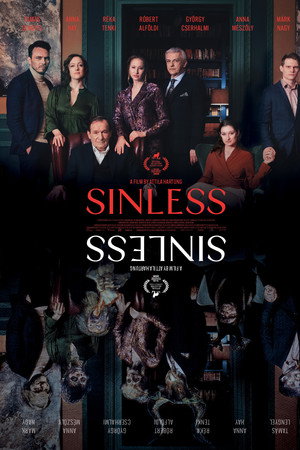


Henrik arrives at the Szentiványi family's castle for a celebratory dinner. Wine fills the glasses and Hungary's powerful construction dynasty welcomes him into its carefully ordered world. But Henrik is no ordinary guest. Only Anita, his girlfriend and the family's youngest daughter, suspects why he’s there. For generations, the Szentiványi's have moved through the highest political and economic circles, leaving crimes and unspoken debts in their wake. As the evening unfolds, casual remarks sharpen, silences deepen, and every polished courtesy seems to carry another meaning.
‘Killers of the Flower Moon’ is preoccupied with plot and not on the greater struggle of the Osage.
It’s easy to dismiss Joel and Ethan Coen for writing from the world they build from outside the box of overarching Hollywood stereotypes, but their inability to compromise their collective vision is precisely what makes the simplistic nature of their world-building and characters so brilliant. It’s also what led Fargo to collect seven Oscar nominations and two wins for Best Original Screenplay and Best Actress for Frances McDormand’s brilliant portrayal of the sincere, motherly detective whose wholesome demeanor seizes the day over the selfishness, corruption and evil of the men who don’t comprehend that there’s more to life than a little money.
t’s relatable and heartbreaking all at once, and it’s impossible to watch Happy Together without reflecting on oneself. The film is stunning in every aspect, and is a vital piece of LGBTQ cinema.
"The Platform" is horror and science fiction film doubling as a visual commentary on capitalism and economic inequality. The movie is not for the faint of heart nor the viewer hoping for political neutrality in their film's depth.
In Saudi Arabia, a little girl (Wadjda) is told she can't have a bike because she's a girl. Wadjda struggles to obtain a bicycle to race her friend, Abdullah, due to the gender inequality and cultural norms of Saudi Arabia.
Tarantino's alternative history of the 1960's uncritically repeats the era's sexist and racist stereotypes.