









"Elio" and What Could Have Been
Elio could be seen as fantastic piece of representation, showing lonely children who feel ostracized that they are not alone. That is, unless you look behind the curtain.
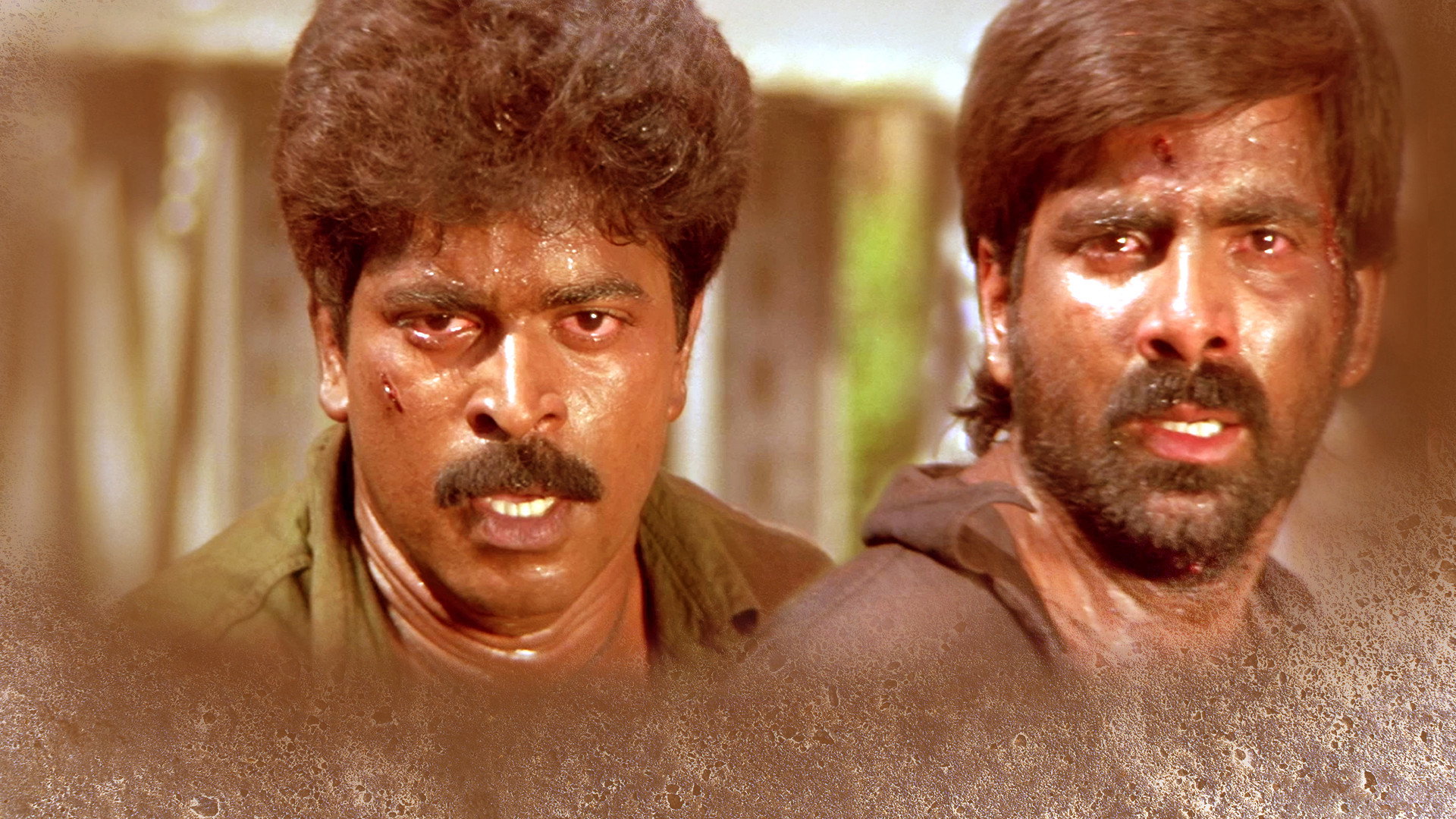



The story about how a young man (Brahmaji) in a village who wants to become a police officer ends up becoming a terrorist.
Elio could be seen as fantastic piece of representation, showing lonely children who feel ostracized that they are not alone. That is, unless you look behind the curtain.
During the third act, the momentum stalls, largely due to the film’s obsession with Kubrick’s visual design. But all in all, Doctor Sleep is a cinematic success, defined by rich characters and high powered emotion.
At 2:17 a.m., every child in a third-grade class wakes up, leaves their home, and disappears into the darkness—except one. The next day, teacher Justine Gandy discovers that Alex Lily is the only student left, while the rest have vanished without a trace. Did Justine have something to do with it, or is a far more sinister force stalking the town, targeting not just children, but anyone in its path?
Ever heard of the bad boy type? The type of man who's sexy yet broody, or the type of man who’s dangerous but has a sensitive side? It’s a well-known stereotype that women are attracted to villains. The question is: why are we?
“Unsung” does not begin to describe the obscurity Bayard Rustin endured in the shadows of the Civil Rights Movement
A refreshing twist is that all the kids’ powers are…kind of useless. There’s a kid who can only move in slow motion, a kid who has every power in the world but can only use them randomly, and our main character Missy who has no powers at all. The thesis of the film seems to be that it doesn’t matter what kind of powers you have, its the way you use them, which is good for the warm and fuzzies.