




Reflecting on 'The United States vs. Billie Holiday'
Lee Daniels’s Billie Holiday biopic The United States vs. Billie Holiday was released on February 26th, 2021, and my immediate reaction to it was one of discomfort.

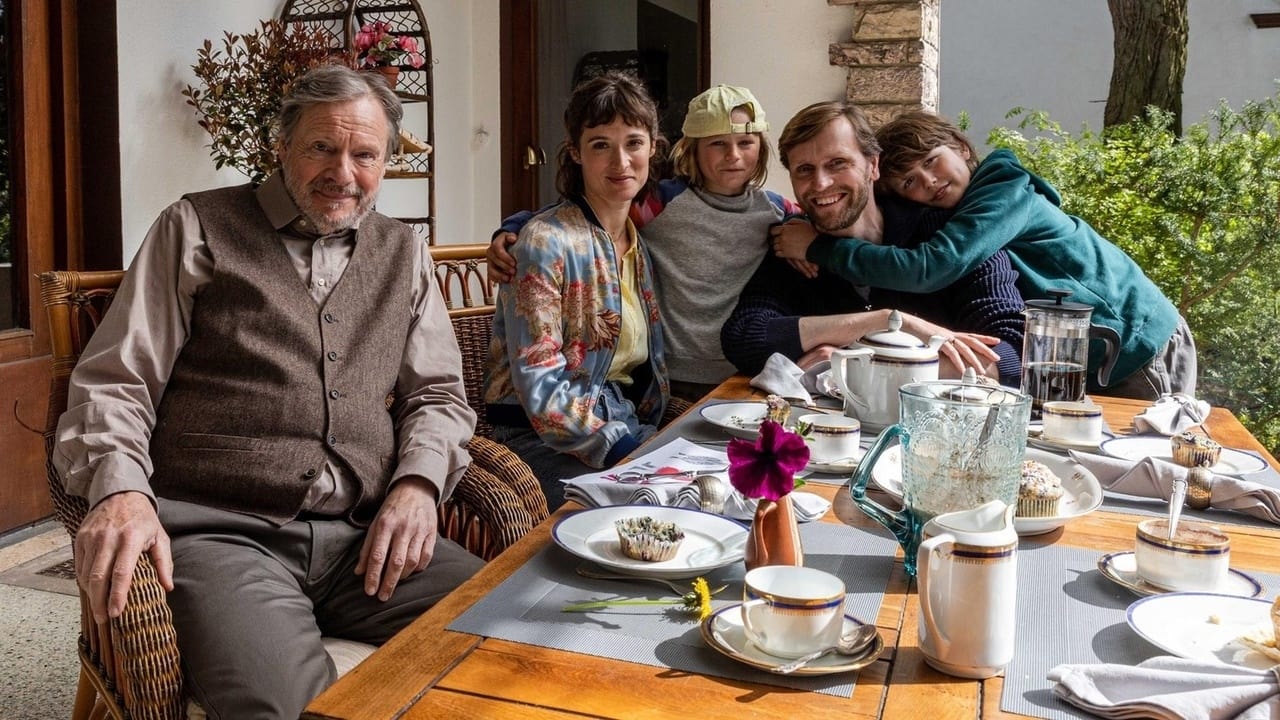
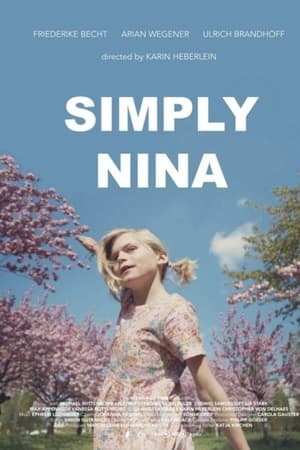
Born in the wrong body? A child rebels. 8-year old Nina is confident and fun-loving. She’s convinced that a mistake was made at her birth: she was born a Niklas. Nina plucks up her courage and informs her family that she has always felt like a girl and would like to live as one. Her grandpa Thilo supports her. But her parents Simone and Martin cannot agree and with her brother Ben need time to deal with the new situation. Old conflicts flare up. There are problems in Nina’s social environment and at school. Can the family stick together despite the problems? A fictional contribution to a very topical subject.
Lee Daniels’s Billie Holiday biopic The United States vs. Billie Holiday was released on February 26th, 2021, and my immediate reaction to it was one of discomfort.
The cancelling of these series is being blamed on the writers' strike and low viewership, but it's just the latest example of the industry's lack of appreciation for stories about queer women.
When the retelling of the Cinderella fairy tale and a holiday spirit come together, viewers learn about class issues as well as perseverance despite setbacks.
Deborah (Jean Smart) and Ava (Hannah Einbinder) are a delight to watch evolve, sometimes devolve, then evolve again.
Rather than following in the footsteps of poorly made horror flicks, “The Quiet Place” follows original concept.
"Warrior" is a Bruce Lee written and inspired story that follows a diverse cast of Chinese American characters and does a terrific job of setting the story in 1878 San Francisco - all without pulling their punches with the systemic racism, discrimination, and struggle for power that old and young immigrants that crossed the country at that time had to go through.