
‘Shaft’ (2019): The Father-Son Comedy That Cops Out
The 'Shaft' remake fails to capture Blaxpoitation's rebellious spirit.

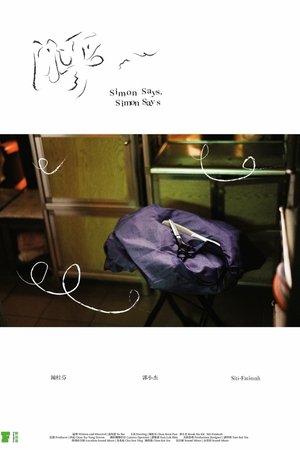


Amid changing times, as friends and relatives are leaving the city one after the other, our once familiar neighbourhood is becoming foreign. Yeung Por Por has her luggage packed for the one-way flight out of the city with her son. During her final hours in Hong Kong, she goes to the Wan Chai seaside and is shocked to find a barricaded construction site. Following Rhea, her domestic helper to the latter’s Filipino community, Yeung Por Por realises what it means to be uprooted from one’s homeland. Subtly and wistfully, the film relates the difficulties and dilemmas of migration, closing with ‘You Said We’d Be Back’ by the folk-rock duo My Little Airport.
The 'Shaft' remake fails to capture Blaxpoitation's rebellious spirit.
“Unsung” does not begin to describe the obscurity Bayard Rustin endured in the shadows of the Civil Rights Movement
The social issues The Half of it takes on are handled well, between the antagonization brought on to Ellie for her race and the conflict that arises from her being gay. Both aspects of her character are built up over the course of the film and don’t seem abrupt or rushed. The film shows racism towards Ellie and her and father in varying levels, from having her schoolmates specifically address her as "Chinese girl” to the fore mentioned way her Dad is treated due to language barriers. The same can be said about Ellie being a lesbian. While she never truly “comes out” in the narrative, that does not undermine her journey of self-discovery from being meaningful. These ideas aren’t thrust upon the viewer in a preachy manor, the scenarios that occur feel believable given the rural setting. The film presents watchers with problems whom those like Ellie may face, and leaves us to sit with them and reflect.
Despite its aggressiveness, the Beef anthology series is about romantic love in all its forms. The final scene of the first season led us to believe that, despite the conflict, drama, and toxic traits, the main characters would end up together and, most likely, live happily ever after. The whole “beef” plot was the prelude to their love story.
Ian and Barley embark on a quest to find a magical gem to restore their father back to life.
It doesn’t offer an absolute answer for the dialectical ethical questions that emerged in search of justice but portrays the characters as living people beyond the identities of victims.