












Wreck-It Ralph Transforms from Bad Guy to Good Guy
I'm bad, and that's good. I will never be good, and that's not bad. There's no one I'd rather be than me.
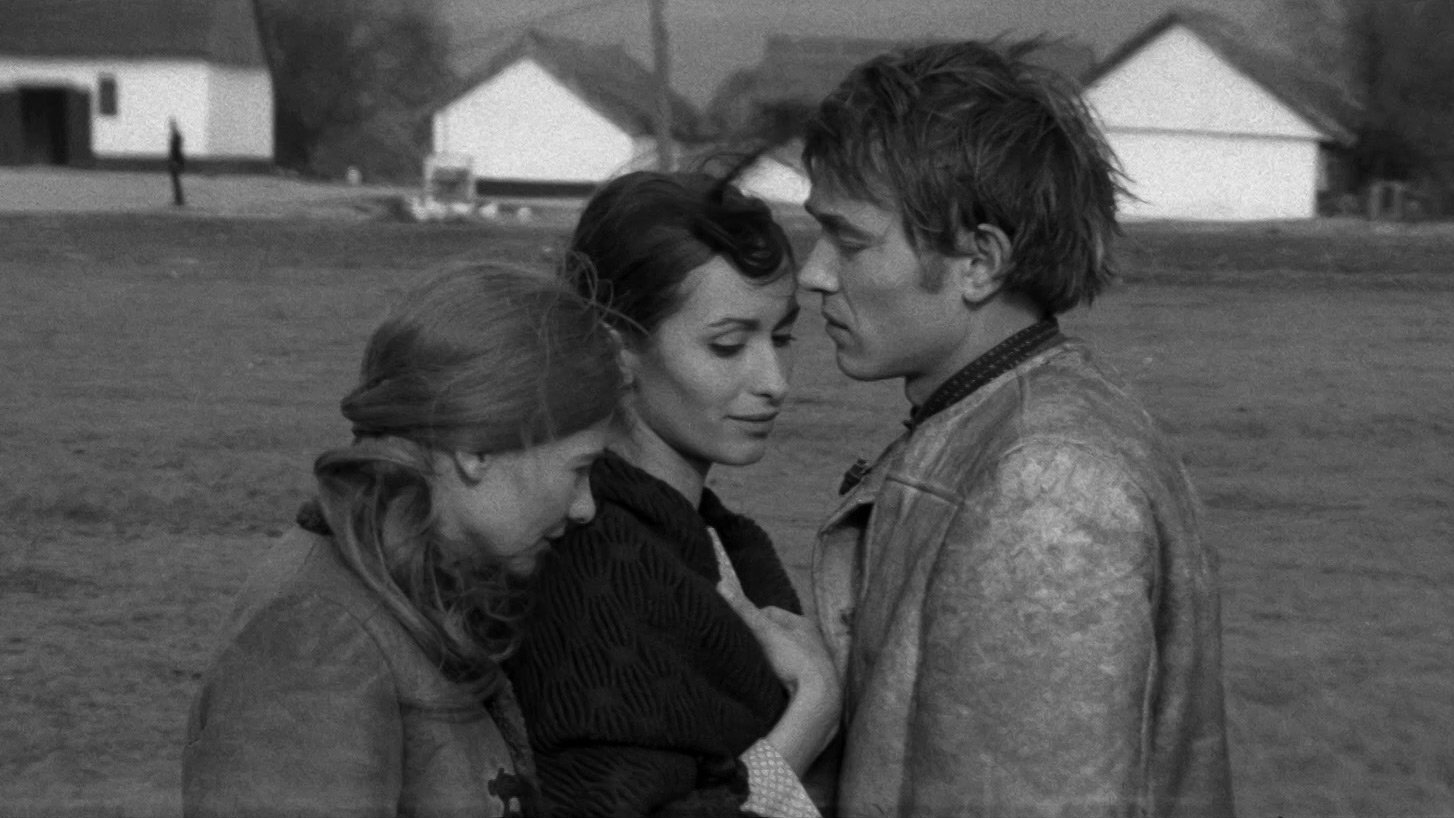
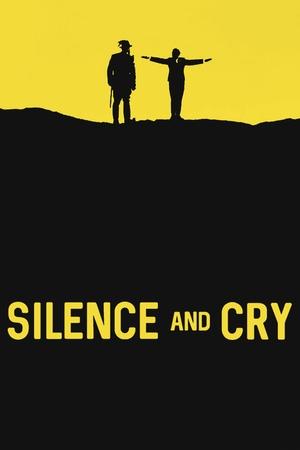


Set during a turbulent era of disquiet, fear, persecution and terror, which permeates every corner of post-WWI Hungarian society. In 1919, after just a few months of communist rule the Hungarian Republic of Councils falls victim to a nationalist counter-revolution. Admiral Horthy, leader of the nationalist far right movement, becomes the self-proclaimed regent of Hungary, and assumes power as the legal Head of State. Soldiers of the short-lived Hungarian Red Army are now on the run from relentless secret policemen and patrol units of the nationalist Royal Gendarme. If caught, ex-Red Army soldiers are executed without mercy or proper trial. István Cserzi, a former soldier of the Red Army has fled to the Great Hungarian Plains and has taken refuge on a farm, which is run by two sympathetic women.
I'm bad, and that's good. I will never be good, and that's not bad. There's no one I'd rather be than me.
A24 keeps producing amazing films and X belongs with all the brilliant titles under its name. And is definitely a must-watch for a film enthusiast!
This article will cover why this film is categorized as a documentary and concert film.
Although Christmas is a time of year for love and cheer for all, holiday cinema has not always represented diverse communities. Being a holiday with Christian origins, much of its media consists of straight white families or straight white romances. Luckily, modern years have been bringing with them plenty of POC and LGBTQ+ representation that the holidays so desperately need.
If you want to feel the rush, you have to take the risk.
It’s almost the end of the first month of 2021, and just over a week since the U.S. saw a new president take office. In light of the occasion, some of us highlighted our favorite political films below!