







Twin Peaks: Why LGBTQ Ally Depiction is Crucial
Portraying how easy it is to be an ally heavily benefits the majority audience. The more we encourage it, normalize it, and give people the tools to become one, the sooner we can co-exist peacefully.
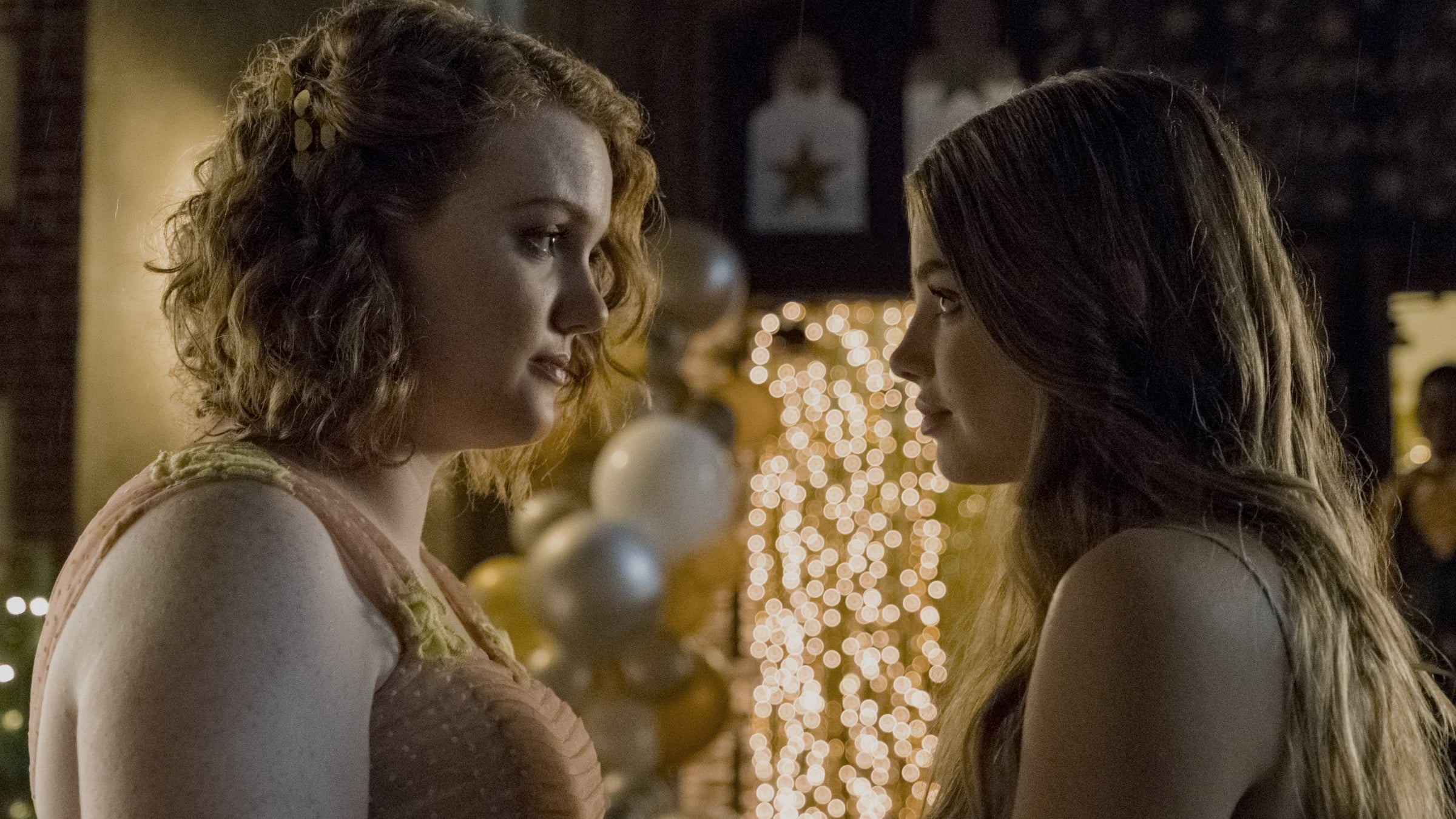



A case of mistaken identity results in unexpected romance when the most popular girl in high school and the biggest loser must come together to win over their crushes.
Portraying how easy it is to be an ally heavily benefits the majority audience. The more we encourage it, normalize it, and give people the tools to become one, the sooner we can co-exist peacefully.
At first glance, “The Good Liar” is a respectable piece of fiction, starring Ian McKellen and Helen Mirren. But underneath everything, the film expertly hones the unpredictability of deceit.
Tired of being cooped up in their cages, the critters escape the Australian zoo and try to find their way to the outback.
The [SPOILER-Free] story of Jurassic World: Dominion is that the humans never learned from their mistakes from the previous films, science is still running amok, and the world is paying the price.
In Spike Lee’s She’s Gotta Have It (1986), we follow the love life of powerful female protagonist Nola Darling (Tracy Camilla Johns) and explore the relationship dynamics she has with her partners. She sees three men simultaneously: Greer Childs, (John Canada Terrell) Mars Blackmon (Spike Lee), and Jamie Overstreet (Tommy Redmond Hicks). Though an 80’s film, She’s Gotta Have It is surprisingly progressive with its themes of female sexuality, although at some points in the film it is handled clumsily. Overall Nola is an incredibly compelling character especially for modern women, as we as a society acknowledge female sensuality more and more without the negative stigma.
A K-9 police dog goes undercover to stop an illegal animal smuggling ring and learns a valuable lesson along the way.