









No Other Choice: Killing for the Family at the Age of Obsolescence
With the theme of unemployment, it presents a family fantasy anecdote rather the a comment on social problems.
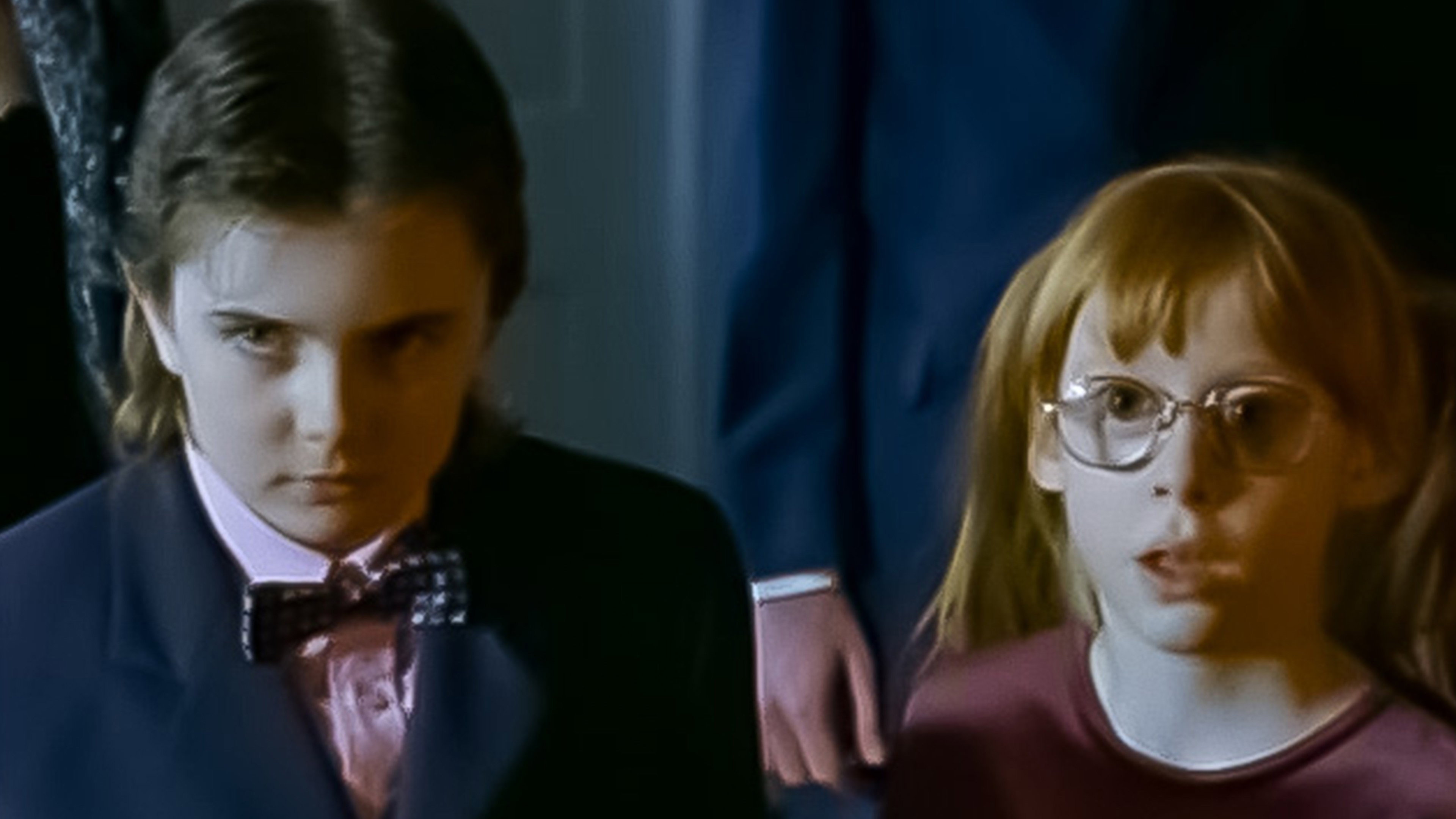
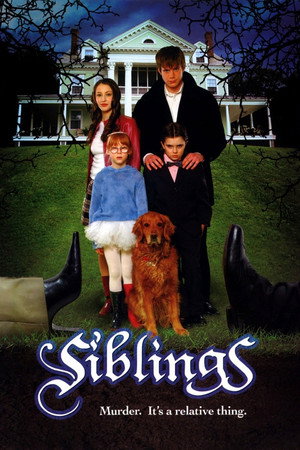


Joe and his siblings have a couple of problems. First off, their stepparents are despicably evil. Secondly, they seemed to have killed them. Now this mixed up mess of half-sisters and step-brothers have to figure out how to dispose of the bodies, cover up the murders, collect their grandfather's inheritance and somehow stick together as a family -- all without getting caught. Not to mention Joe's incessant need to keep tabs on his promiscuous sister, an eye on the precocious little ones and a lustful watch on the girl next-door. Growing up has its complications. Murder's just one of them.
With the theme of unemployment, it presents a family fantasy anecdote rather the a comment on social problems.
The cancelling of these series is being blamed on the writers' strike and low viewership, but it's just the latest example of the industry's lack of appreciation for stories about queer women.
Can a homeless yet optimistic teenage girl learn to accept a helping hand?
I hadn’t heard of it either until recently—and yet, it’s one of the highest grossing movies of all time.
Written and directed by Eva Victor, who also plays Agnes, the main character, Sorry, Baby is slow and artsy, but extremely effective. It shows how the trauma developed after a sexual assault has a ripple effect and loudly echoes in the victim and her life for years after.
The way Jeannette has to deal with child neglect makes her insecure about her parents and how she was brought up and raised in the United States. This continues into adulthood, where Jeannette becomes a successful journalist and is frequently asked about her parents by others.