
Calling All Docuseries Nerds: 'History of the Sitcom' is a Joyful Time-capsule
If your upbringing was anything like mine, where the TV acted as an additional parent- there are so many new stories and perspectives to explore.
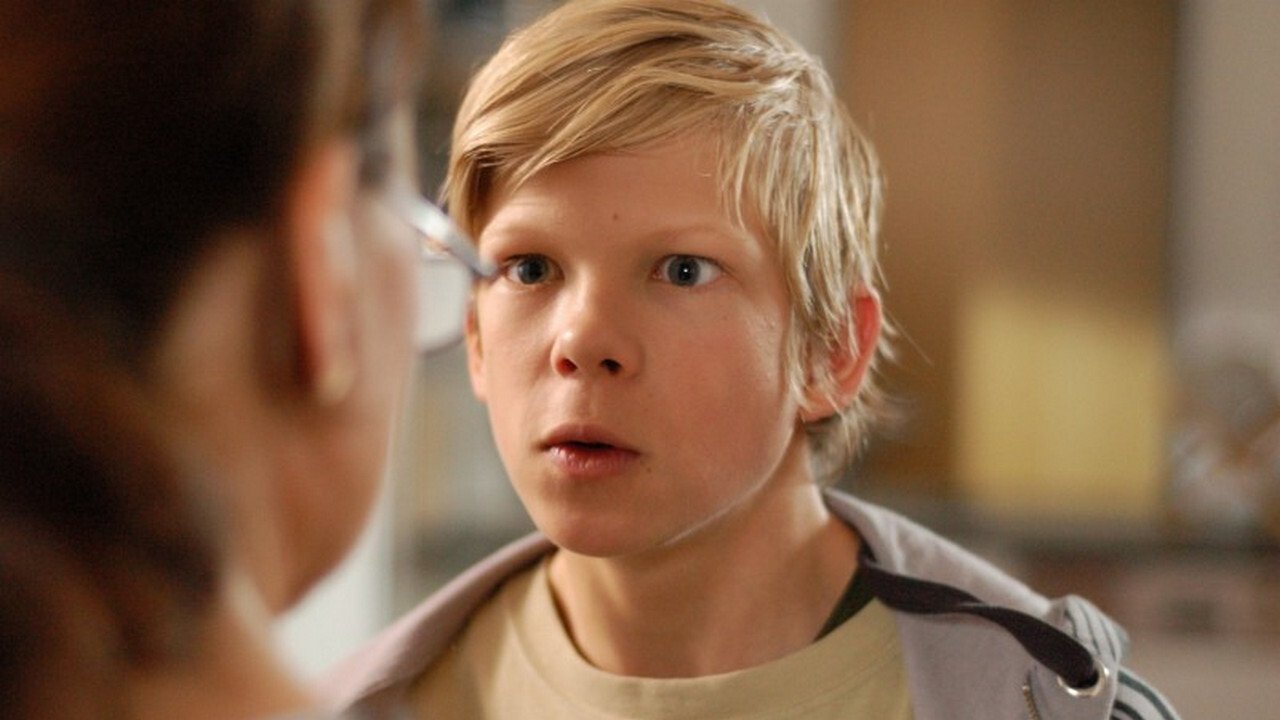



Vincent grew up in a violent surrounding, his own family. After a new family feud Vincent decides to call the police but is taken to a youth center unintentionally. There Vincent beats up the director who touched him improvidently. It seems that violence looms large in Vincent's life. Then he meets Butterfly, a diffident young boy who collects butterflies to bear his parent's death. Vincent gets curious about the butterfly boy and tries to empathize. Step by step Vincent gains the friendship of butterfly. But one day his mother reappears to tell him he is not wanted at home anymore. Vincent is stunned. All of a sudden his feelings burst out and he beats up his defenseless roommate: Butterfly.
If your upbringing was anything like mine, where the TV acted as an additional parent- there are so many new stories and perspectives to explore.
“And I think to myself….what a wonderful world”. Louis Armstrong sang about this notion via his classic 1967 song, an ode to witnessing elements of our life that should be but some reminders of exactly what that concluding line of each verse indicates. Now we see our contemporary realities and, just being honest, it makes a sentiment like this seem SO overtly far away….perhaps even impossible….to accept or believe could be. It sounds harsh, but again, so much of what is occurring speaks not to beauty, but bedlam.
The coming-of-age story that brings viewers into the world of Broadway, New York City, with musical talent and LGBTQ leads.
The film does not add anything to its own conversation or genre, and falls flat once it’s about to end and must declare some sort of conclusion.
It is up to the community to decide if this film is a force for enlightenment or not.
In all actuality, “Just Mercy” should be labeled a “wall punching narrative.” Constantly, the flick throws high forms of adversity our way, amping up our most inner levels of discomfort. Filmmaker Destin Daniel Cretton wonderfully paces the film in such a way that replicates the slow-burn nature of justice.