Vicky and Her Mystery Dog Become Friends
A bond between a girl and her dog takes an unexpected twist as the dog is not what it seems.


The world seems to be getting more and more unsafe for transgender people. Varying legislation in the USA and the UK are having negative impacts on the mental health of trans people. From making gender-affirming healthcare less accessible to not acknowledging pronouns, the world seems to be hyperfocused on attacking people who aren’t cisgender. Though adults are unfortunately often the victims of hate crimes, the toll isn’t less on children. They aren’t allowed to claim different identities from what they’re assigned at birth, and often even lack the resources required to understand how they’re feeling. There are severe efforts being made to hide awareness that some people are transgender, feeling a different gender identity that does not align with their expected gender and birth sex.
This causes children with trans identity to grow up with a lot of resentment for themselves. Films can often alleviate the alienation by presenting realities where these feelings are shared by characters. Animation as a medium of storytelling is in no way meant just for children but the following four films can be thought to be open to all ages including children and as I hope my readings will reveal, they could be interpreted as transgender stories.

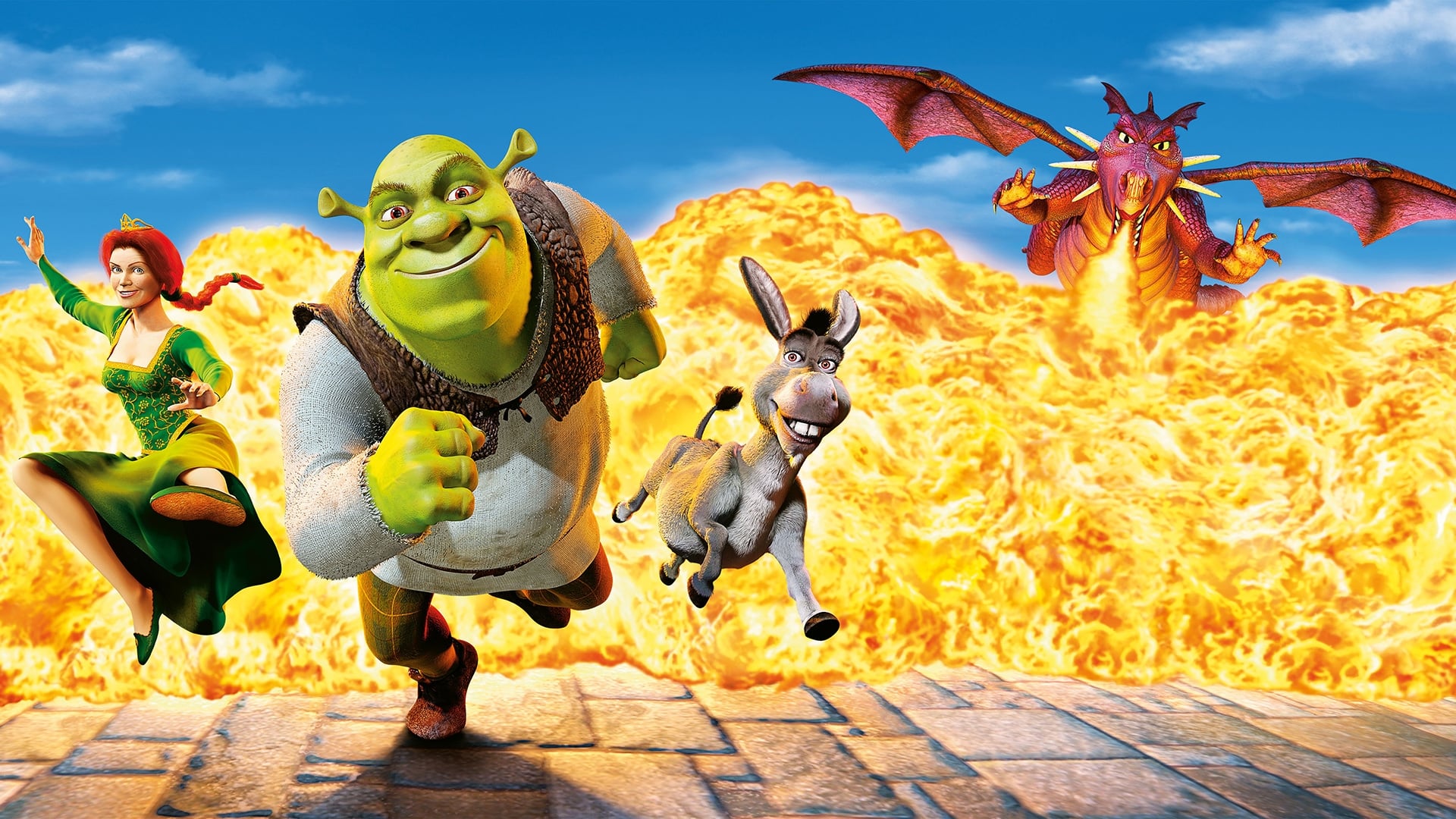
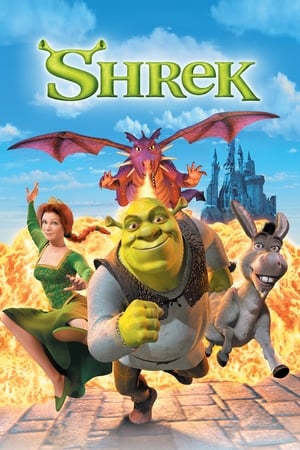
It ain't easy bein' green -- especially if you're a likable (albeit smelly) ogre named Shrek. On a mission to retrieve a gorgeous princess from the clutches of a fire-breathing dragon, Shrek teams up with an unlikely compatriot -- a wisecracking donkey.
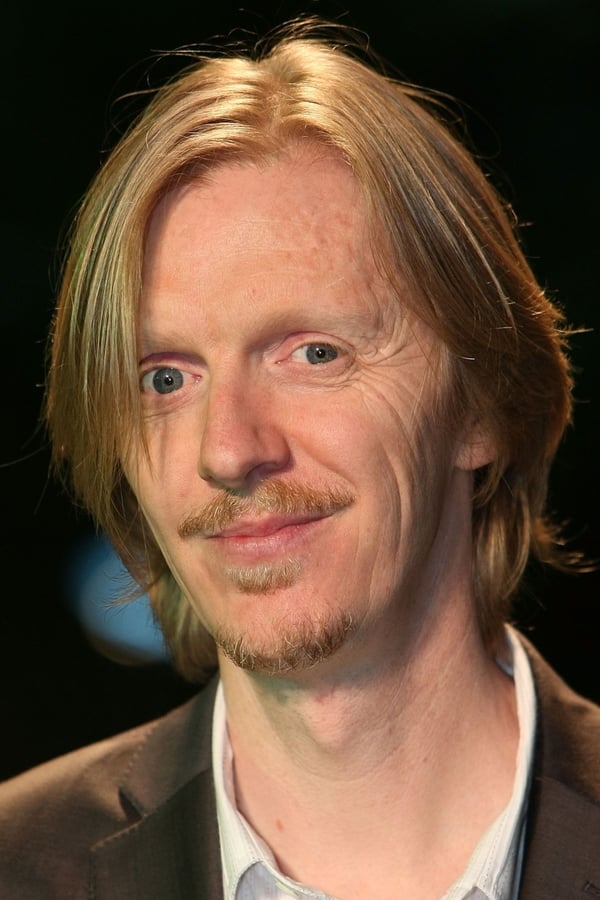
Andrew Adamson, Vicky Jenson
Director


Mike Myers
Shrek / Blind Mouse (voice)
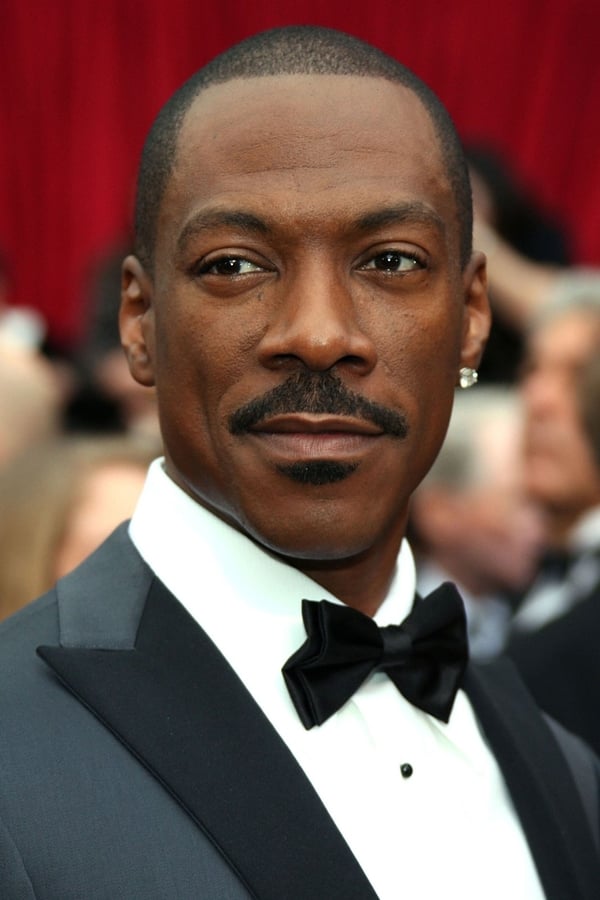
Eddie Murphy
Donkey (voice)

Cameron Diaz
Princess Fiona (voice)
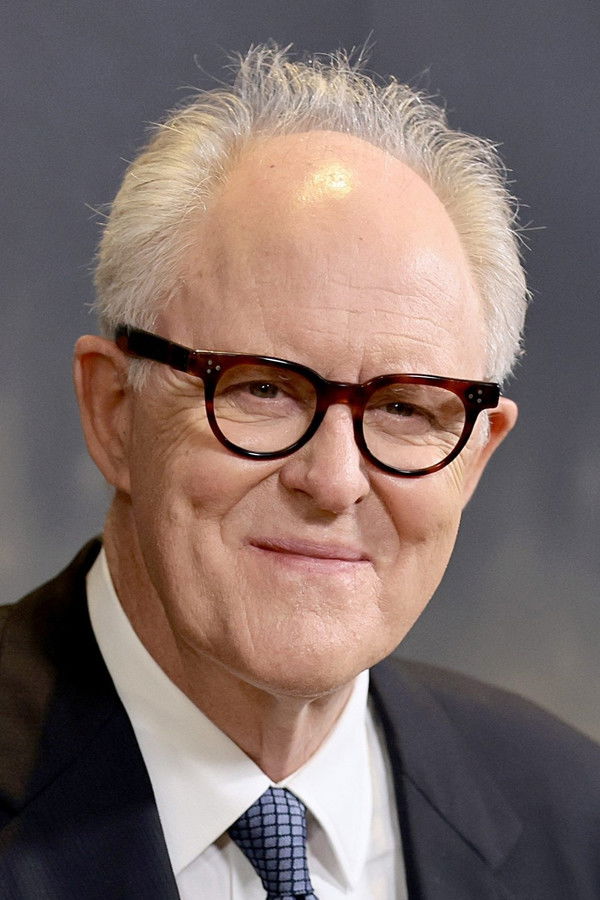
John Lithgow
Lord Farquaad (voice)

Vincent Cassel
Monsieur Hood (voice)
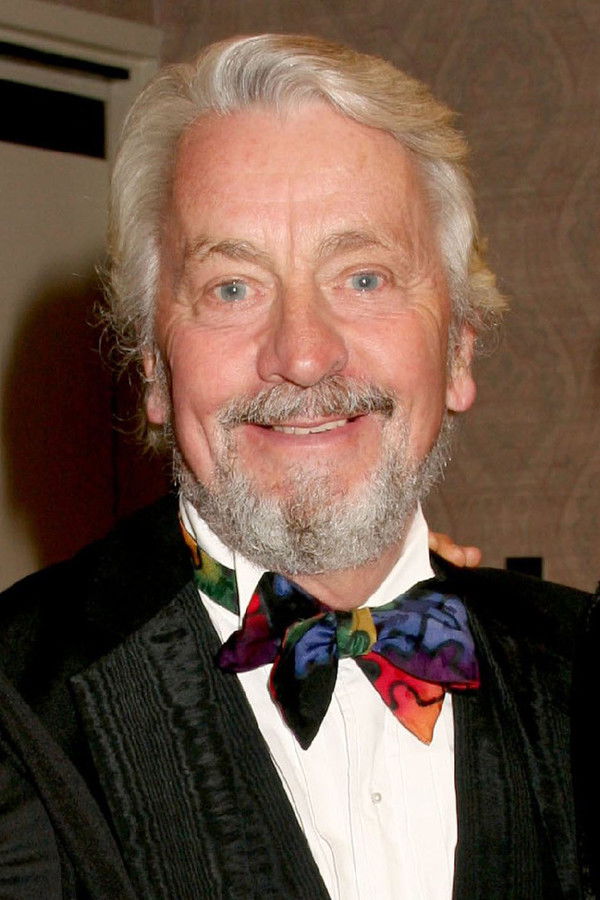
Peter Dennis
Ogre Hunter (voice)

Clive Pearse
Ogre Hunter (voice)

Jim Cummings
Captain of the Guards (voice)

Bobby Block
Baby Bear (voice)

Chris Miller
Geppetto / Magic Mirror (voice)
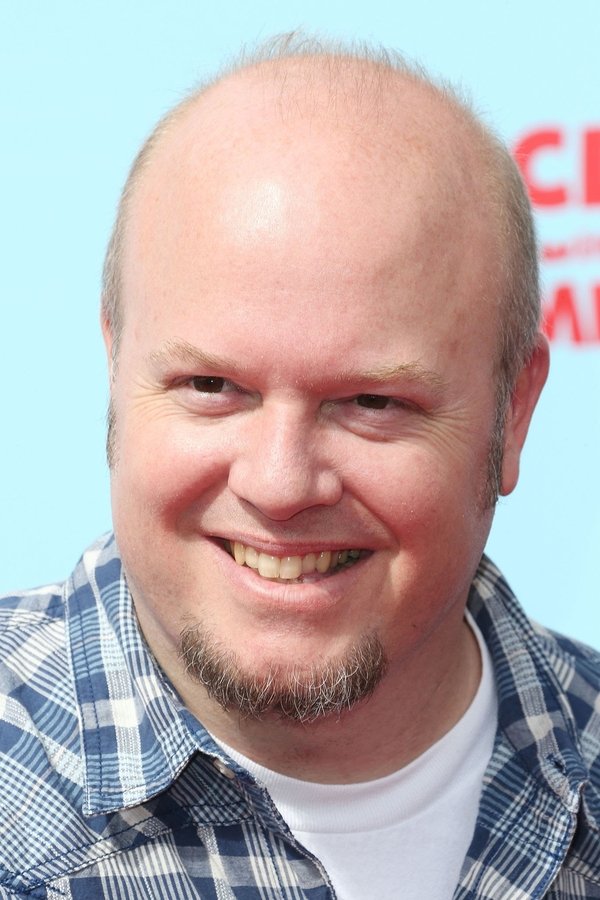
Cody Cameron
Pinnochio / Three Pigs (voice)
A bond between a girl and her dog takes an unexpected twist as the dog is not what it seems.
Coolie promised style, action, and Rajinikanth’s mass presence, but did it deliver on substance? Here’s my full review on whether Lokesh Kanagaraj’s film lives up to the hype.
Paul Thomas Anderson blends tragedy, comedy in 2025 epic, "One Battle After Another."
I love The Last Jedi. I don’t think there has been a Star Wars movie in quite some time that brought something new, something fresh to the table.
Guillermo del Toro highlights a touch of innocence in the Gothic classic. The journey of Victor Frankenstein defying death gained inspiration from the Eastern energy system that is named ‘Qi’ and the lymphatic system being studied by Muslim scholars.
Shudder makes an incredibly atmospheric docuseries about the darker side of Hollywood mysteries.