




'Young Royals' Review
'Young Royals' is a great example of positive gay representation in its two main protagonists, but the supporting characters are often frustratingly selfish.
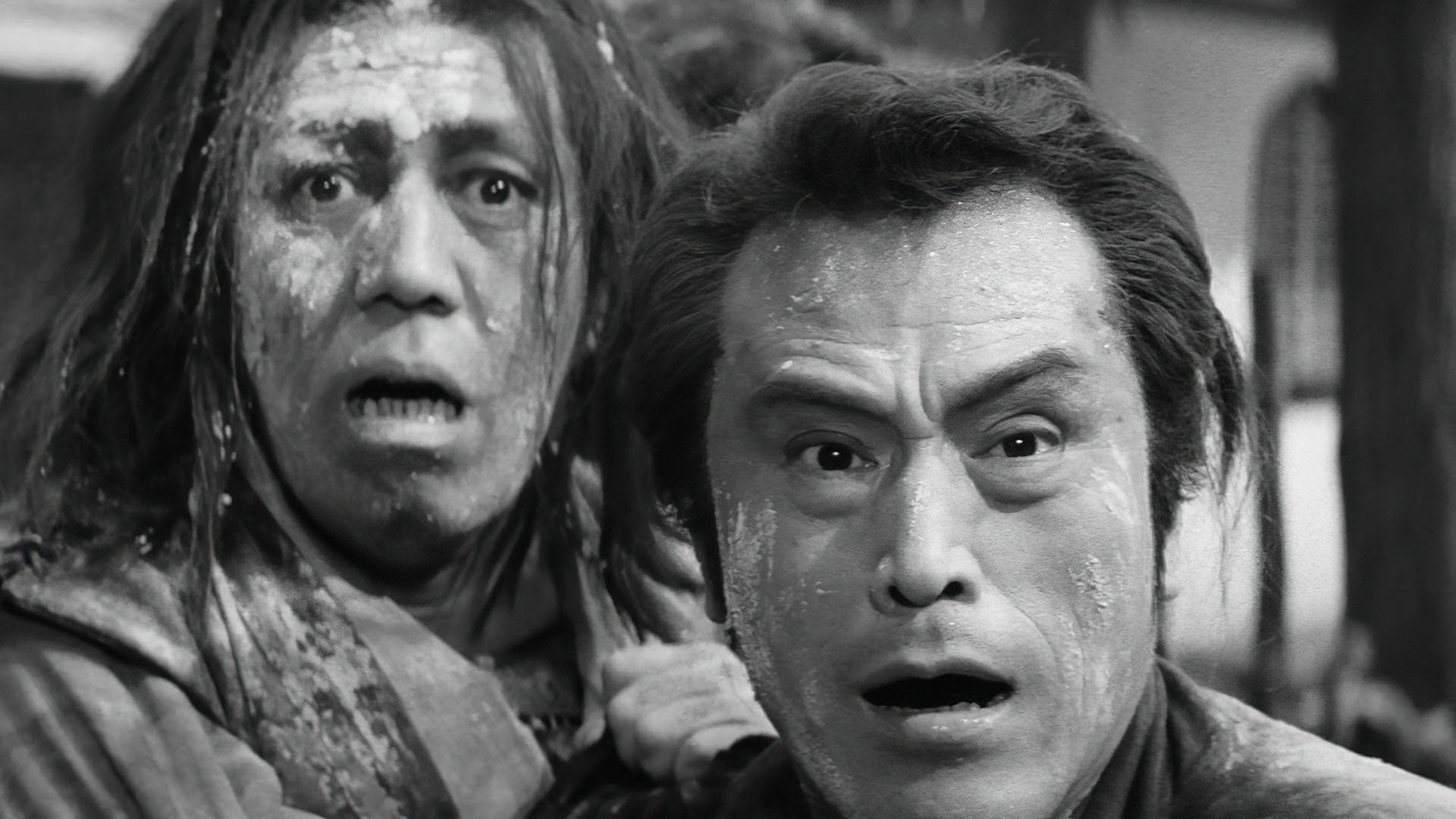
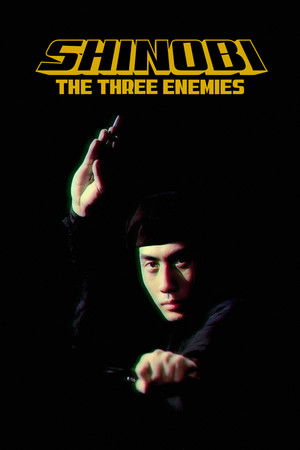


[Period Covered: 1570-1573] Towards the end of the Tenmon Era, Shogun Ashikaga`s powers were weakening by the day and many were there who planned to overthrow him. It was the beginning of the Sengoku (Warring States) period. Three men attack a gunpowder maker in a farmhouse, the first chopping off his arm with his sickle-&-chain weapon, the second blinding him with sword, the third giving the killing blow. His son Kojiro Kosume escapes the attackers as everything he has known up to then explodes into conflagration. He grows up & enters the start of the Tokugawa Era, intent on avenging his father.
'Young Royals' is a great example of positive gay representation in its two main protagonists, but the supporting characters are often frustratingly selfish.
Personalities clash and tempers fume in a family-run Chicago restaurant
The fun tricks used in the production design and lighting read extremely well on-screen but hardly fulfill their purpose of trying to inject glamour into a lack-luster story with nothing to say.
Ricky Staub’s Concrete Cowboy, based on Greg Neri’s novel "Ghetto Cowboy", tells the story of a young teenager forced to adapt to a new lifestyle.
This coming-of-age movie discusses immigration issues in the United States through the eyes of two exchange students in Brazil.
Indie director, Niki Caro (known for 'Whale Rider') directs the live-action 'Mulan' and sets another example of strong females fighting against gender inequality.