
Once Upon a Time in (White) Hollywood
Tarantino's alternative history of the 1960's uncritically repeats the era's sexist and racist stereotypes.
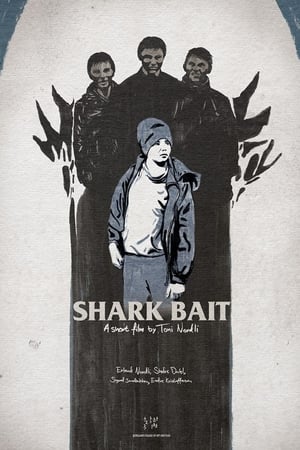


Erlend is bullied by his homophobic peers for having a gay brother. His teacher is not aware of the situation and Erlend doesn't seek his help. After a game of 'Shark bait' (Tag), he is subjected to a humiliating attack. Erlend's brother has suffered from prejudice and he physically fought back. He thinks Erlend needs to resolve the situation by using violence and taking revenge. One day he catches one of the bullies in the act and holds him up, encouraging Erlend to hit him. In the end, Erlend rejects his brother's solution and shows the importance of standing up for your own values.
Tarantino's alternative history of the 1960's uncritically repeats the era's sexist and racist stereotypes.
Naked Gun: The New Police Squad Team delivers exactly what fans want: relentless, expertly crafted chaos that honors the original while cranking everything up to eleven. The gags fire at machine-gun pace—sight jokes layered with wordplay and physical comedy so outrageous it borders on art. It's gleefully self-aware without being cynical, silly without being stupid, and maintains that perfect ZAZ-style balance of treating absolute absurdity with complete seriousness. The film knows exactly what it is: a comedy missile designed for maximum laughs, and it hits its target with surgical precision. Pure, unhinged entertainment that proves spoof comedy still has plenty of life left in it.
The coming-of-age story that brings viewers into the world of Broadway, New York City, with musical talent and LGBTQ leads.
The Vietnamese perspective is not only completely ignored in 'The Greatest Beer Run Ever', but it is blatantly whitewashed and disrespected.
Rather than focusing on the bleak, cynical aspects of life post-pandemic, the focus is optimistic and hopeful.
Making Apes begins by looking back at the history of makeup effects in Hollywood, which was revolutionized by Jack Pierce, the person behind Frankenstein (1931) and The Wolf Man (1941)