



Diversity Programming At The Austin Film Festival
Coverage from the Austin Film Festival, highlighting some panels and films that emphasized the importance of diverse and inclusive storytelling.
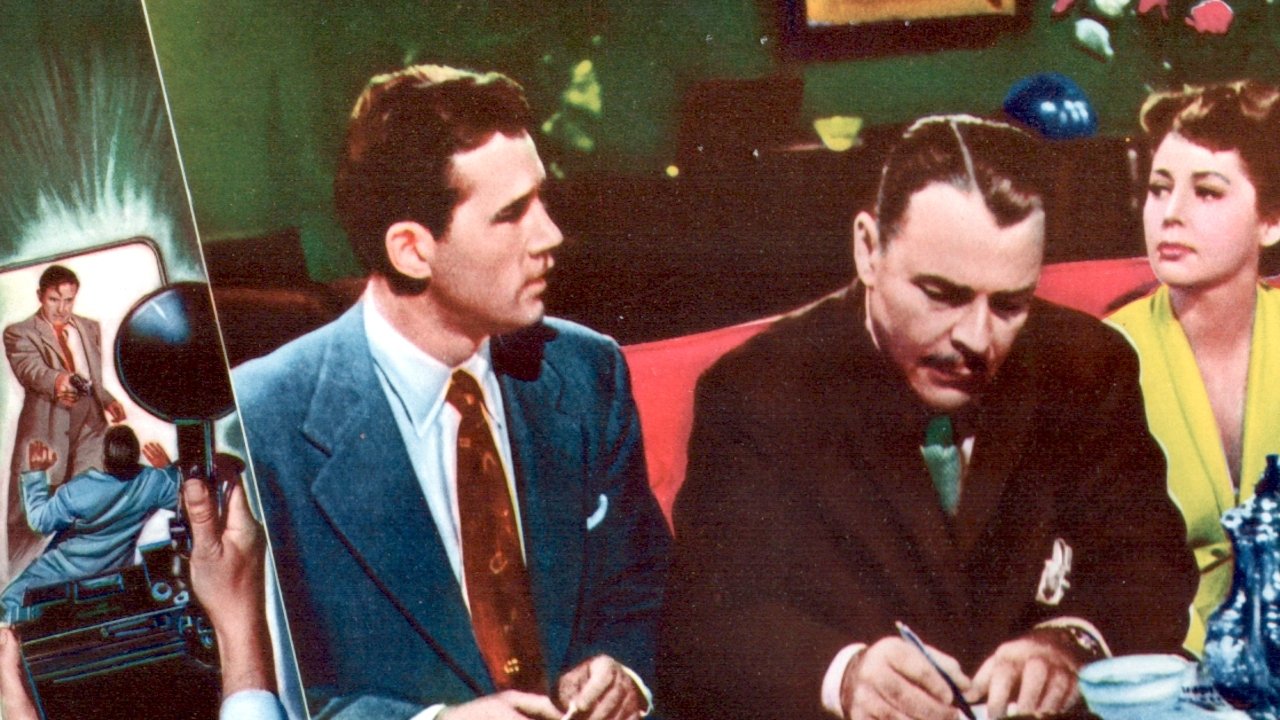
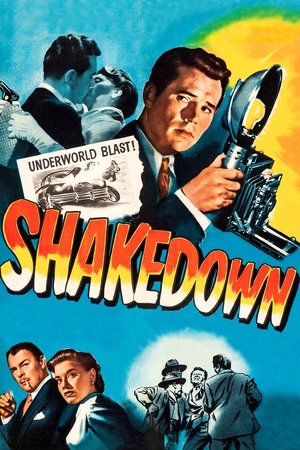


Jack Early is a photographer who will stop at nothing to climb his way to the very top of the success ladder. On the strength of his sheer tenacity, he gets a job with a major newspaper, and it's not long before he's made a name for himself by charming a notorious crime boss, Nick Palmer, into allowing himself to be photographed. Palmer takes him under his wing, but Early decides to bite the hand that feeds him and sets Palmer and another crime boss, Colton, against one another.
Coverage from the Austin Film Festival, highlighting some panels and films that emphasized the importance of diverse and inclusive storytelling.
Christopher Nolan transforms Homer's ancient epic into one of the most breathtaking cinematic spectacles of his career. While its nonlinear storytelling and exposition occasionally hold it back, The Odyssey is a visually stunning, emotionally resonant blockbuster that demands to be seen on the biggest screen possible.
This romance movie has strong representation of Taiwanese people.
A South Korean romantic drama film that brings a strong first love story.
I am an Armenian who has a mild form of epilepsy. I rarely see Armenian culture and epilepsy properly portrayed in film or TV. I delve into the how and why.
“Eleanor The Great” is a feel-good story that explores how we cope with grief and loss while educating us about the horrors of the Holocaust.