





Joyfully Chaotic, 'Why Don't You Play in Hell?' is a Must-See
If you enjoy Japanese cinema, absurdly violent action films, gangster flicks, or joyfully strange cinema, 'Why Don’t You Play in Hell?' is a must-see.
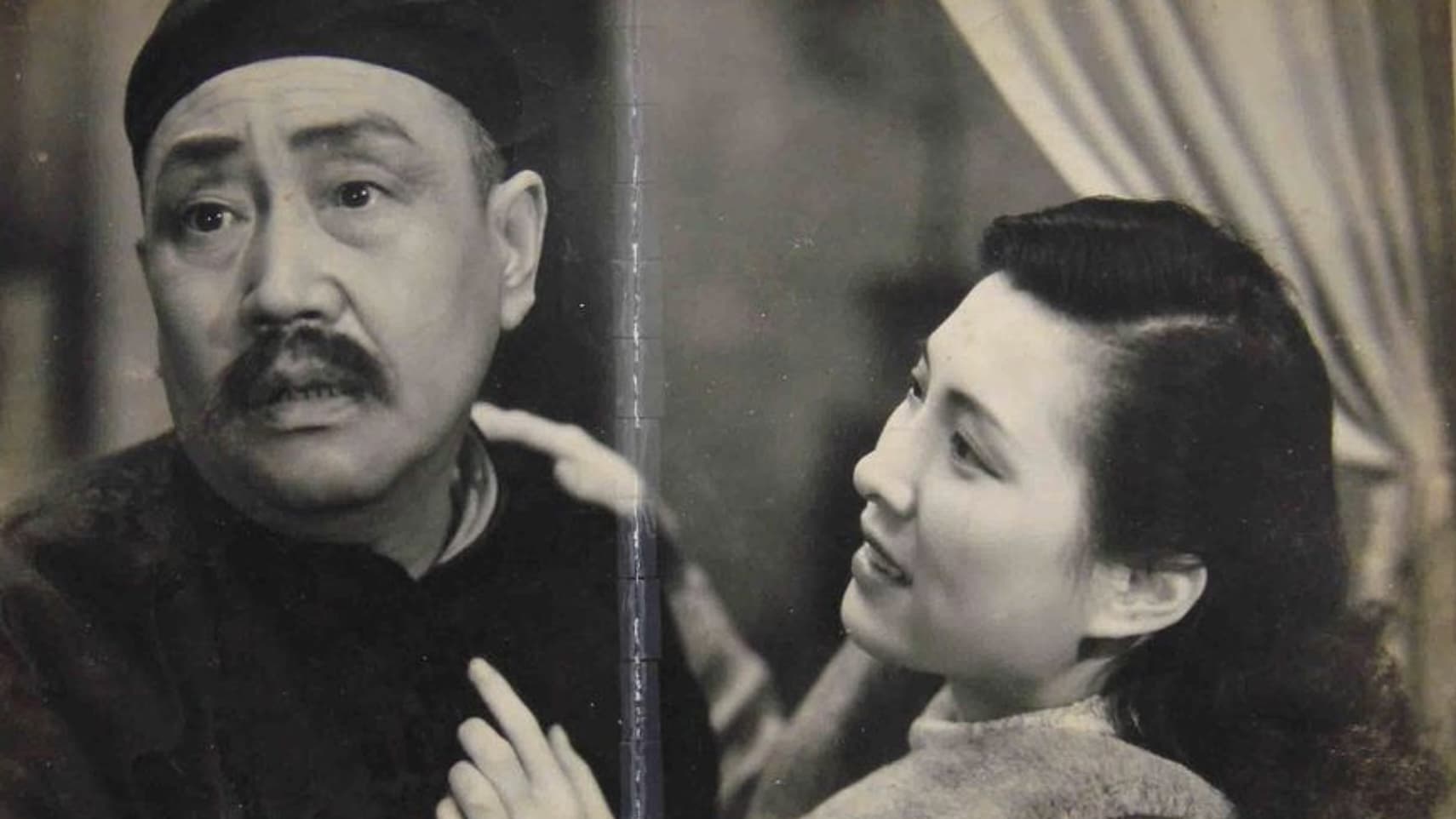



The owner of the old house Xiangyun Villa, Wu Jishan, died a year ago and has yet to be buried, so the residents of the neighborhood regard the place as a murderous mansion. On the anniversary of his death, his only daughter, Yunfang, returns from her studies abroad, accompanied by her fiancé, Zhang Shouyi, and many of her relatives. Lawyer Song announces his will in public: 1. The distribution of the property is described in the second will; 2. The second will will be announced in three days; 3. If Yunfang is dead, the property will be inherited by her fiancé; if she dies without being married, her nearest relatives will inherit. All at once the people are suspicious of each other and create murder, while all the actions are watched by the servant Lao Cai and Wang Yiping, the assistant of the lawyer Song. In the end, the culprits are caught and Yunfang and Yiping become a loving couple.
If you enjoy Japanese cinema, absurdly violent action films, gangster flicks, or joyfully strange cinema, 'Why Don’t You Play in Hell?' is a must-see.
Based on a true story, when his beloved dog goes missing, the owner embarks on an incredible search with his parents to find him.
Marvel’s first Asian superhero film, 'Shang-Chi', deserves praise for balancing epic superhero action, a heartfelt family plot, and positive Asian representation.
'Don't Lose Your Head' follows the motto of "grades aren't everything."
This coming-of-age musical features a strong representation of LGBTQ+ individuals coming-of-age.
In the spirit of Halloween, here's a list of body horror films which can be interpreted as trans allegories.