
Racism in A Second Chance: Rivals!
The sequel to the first film, A Second Chance: Rivals! talks about Maddy combating cyberbullying and racism.
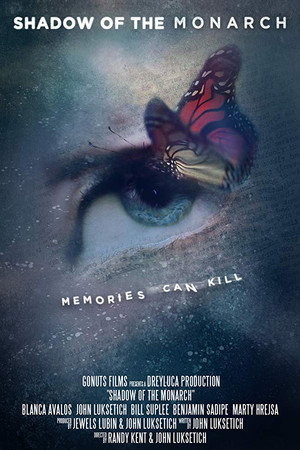


A seemingly homeless man who catches butterflies in the park witnesses a gangland shooting. He's dragged off into a tunnel to be killed, passes out only to awaken to a bloody nightmare - The cops rule it a drug deal gone bad releasing the Butterfly Man. Soon the CIA is on their doorstep looking for a rogue psychopathic agent who disappeared 15 years ago and the only person who has possibly seen him is the Butterfly Man.
The sequel to the first film, A Second Chance: Rivals! talks about Maddy combating cyberbullying and racism.
A Girl Walks Home Alone At Night, though its feminism may be unintentional, cannot exist without its focus on women reclaiming power. The movie is feminist by definition, even if Amirpour didn’t write it with that in mind. A Girl Walks Home Alone At Night is mesmerizing, poetic, and stunning, both for its portrayal of feminist ideas and its powerful story that is both horrific and subtly romantic at once.
How powerful can a story be when it is stripped to the bare essentials of just a room, a handful of people and raw human voice?
A few episodes in, I realized the most prominent theme of In The Long Run wasn't culture, race or even finding independence--but the idea of belonging.
"Hustlers" returns power to groups that are traditionally deprived of it: women, the working class, and sex workers.
Remakes. Reboots. Reinventions. Redundancy. It's the common practice in Hollywood of late, sometimes offering us victorious reimagining of what can be considered cinematic classics while also, more often, falling flat on their UN-imaginative faces in utter defeat and lackluster results. Admittedly, with this in mind, I went into the newest incarnation of "The War of the Roses" with typical trepidation and cautious optimism.