
Why is Mark Wahlberg Still Not Canceled?
The thing is, people like Wahlberg will only apologize if they have something to lose, which he did. His glamorous life, his reputation, and his career were all at stake.



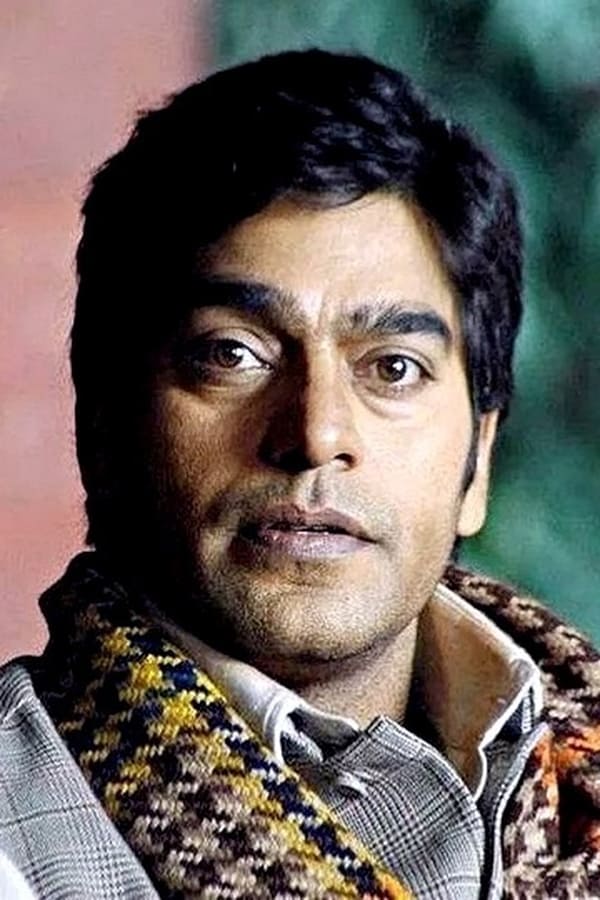
Inspired by the true story of Shabnam Mausi who overcame prejudice and became the first Hijra to be elected to public office in India. Shabnam (Ashutosh Rana) was born to a wealthy and privileged family, but when a band of eunuchs came to bless him not long after he was born, they discovered he too was a Hijra, and the infant was sent to live with others of his kind. Shabnam still has the love and support of his family, but not all the other hijras are so lucky, and one of the members of the group (Vishwajeet Padhan) kills Shabnam's brother in a fit of rage. Shabnam is blamed for the crime, and goes underground, relocating to a town where he comes to the rescue of a woman being sexually assaulted by a group of men. Shabnam's heroic act makes him a minor celebrity in the village, and he decides to use his new recognition to help drive a corrupt politician (Govind Namdeo) from office in an upcoming election.
The thing is, people like Wahlberg will only apologize if they have something to lose, which he did. His glamorous life, his reputation, and his career were all at stake.
"WHAT ARE YOU WILLING TO SACRIFICE?!!!!" "EVERYTHING!!!!!" This is but one of a multitude of highly emphatic questions, and subsequent answers, being asked in the newest feature film from one of the current masters of horror, Jordan Peele ("Get Out", "Us" and "Nope"). I must give Peele credit in that he continues to push the boundaries of specific genres and their associated tropes in order to provide what ends up amounting to subtly then jarringly intense, yet still character and story-driven, cinema that speaks more to indie stylings than mainstream.
What makes the lighting in Casablanca even more impressive is how it reflects the emotional states of the characters without needing explicit dialogue.
Not only does the system prevent upward mobility, but it makes it incredibly easy to slide from comfortably middle class to unhoused.
When it comes down to it, The English explores what happens when power is unchecked and how those who seem powerless, have more strength than most through their convictions for justice.
My Beautiful Laundrette is often referenced as a positive LGBTQIA+ film because our two main characters are in a homosexual relationship with no shame, fear of violence or criticism. The struggle is not their sexuality. It is the treatment of the Pakistani citizens in England.