

Hokum: A Balance of Cheapness and Luxury
Hokum is an enjoyable horror film that will probably get a little under your skin, but it isn’t the tour de force that you might be expecting.

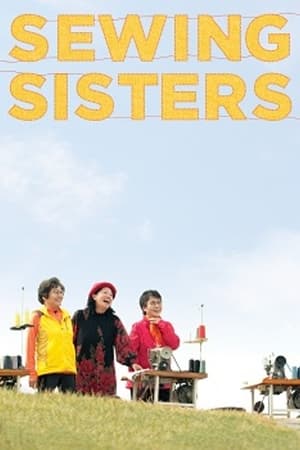


In the late 1960s and early 1970s, girls aged 12 to 16 began working at Pyeonghwa Market. Running sewing machines, they also study the Labor Standards Act under the tutelage of Jeon Taeil. On September 9, 1977, they were imprisoned fighting against the government that closed labor classes, shouting, “The next Jeon Taeil will be a woman!” Now the middle-aged girls recall the memories of the life of female workers, social contempt, and stigma. Watching the sunrise in the East Sea, they admire, ‘How fair it is because everybody can see it.’ Sewing Sisters rewrites the history of maledominated Korean labor struggles in the 1970s with news interviews of female workers belonging to the Cheonggye Clothes Union.
Hokum is an enjoyable horror film that will probably get a little under your skin, but it isn’t the tour de force that you might be expecting.
An uncomplicated, family-oriented man struggles to adjust to an ever-changing world, especially after suffering a loss. Even for the early 1900s, a less complicated time in many ways than now, Robert Grainier (Joel Edgerton) is a simple man.
America is the crux of the storyline: she is the only person in existence with the power to jump between universes. As central as America is to the Multiverse of Madness story, she somehow didn’t get that much to do.
One of the reasons that people with albinism have a difficult time being seen and represented in media is probably because there is a small percentage of them.
Considering the runtime, I expected each scene to hit harder as opposed to a series of montages and vignettes.
Bong Joon Ho’s masterpiece, Parasite (2019) became one of the few international films to break into the American mainstream.