




Creepy Concept, Lackluster Story: A Movie Review of “Come Play”
"Come Play" was entertaining and had some great ideas about how to scare children away from playing with facial recognition settings.

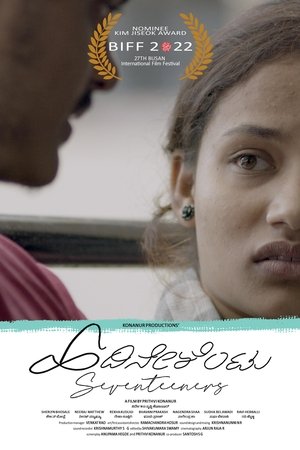
Hari and Deepa enter a classroom on a Saturday evening after the classes are over. The two 17-years-olds appear to make a video as they indulge in intimacy off-screen. Monday morning, the two are summoned to the principal's office and are told that their video is now on the internet. Their parents are called and given the news of rustication, pending committee decision whether to expel or retain them. The two families are devastated by the news, as they try to pick up the pieces and move forward. At the committee meeting, chaired by the principal, they discuss the fate of Hari and Deepa. Owing to past incidents of misdemeanor, the committee, with the exception of physical trainer Abdul, vote to expel Deepa and retain Hari. But Abdul brings up the caste angle to it. While Hari is a Brahmin boy, Deepa is a Dalit and the issue takes a dramatic turn, leading to irreversible changes in the lives of the stake holders.
"Come Play" was entertaining and had some great ideas about how to scare children away from playing with facial recognition settings.
It is as bad as your remember, and you are fortunate if you've never watched it. Keep it that way!
Remakes. Reboots. Reinventions. Redundancy. It's the common practice in Hollywood of late, sometimes offering us victorious reimagining of what can be considered cinematic classics while also, more often, falling flat on their UN-imaginative faces in utter defeat and lackluster results. Admittedly, with this in mind, I went into the newest incarnation of "The War of the Roses" with typical trepidation and cautious optimism.
A K-9 police dog goes undercover to stop an illegal animal smuggling ring and learns a valuable lesson along the way.
SPOILERS AHEAD. Sweet Sweetback's Baadasssss Song distinguished itself from Hollywood films of its time by introducing New Wave cinema storytelling methods into Black cinema.
... La huesera haunts her daily life, leaving people to question her viability as a mother, and Valeria’s lack of satisfaction with her life leave her asking similar questions. These misgivings reach their peak after the baby is born, when Valeria, visibly in a state akin to possession, locks her in the fridge when she won’t stop crying through the night