
Writing Great Villains: Why They Shouldn't Be Sympathetic
Writing great villains is about striking a balance between charming and evil, so we love them but also love to see them lose.
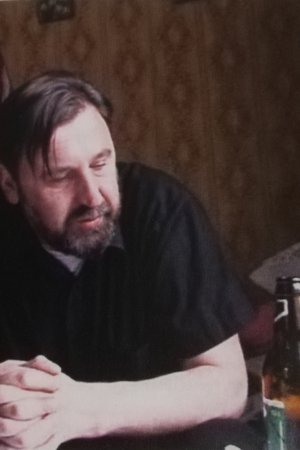


Edvard Oja is the object as well as subject of his own film. This is an honest story about chronical alcoholism, about the author's journey through treatment, religion, death and friendship. Edvard has been always supported by his mother who has provided unconditional love for her son in every situation. Mother is the only one in the documentary who won't ennoble the environment suffering from alcoholism. Yet, her son has no strength to struggle out of his tough situation. Is it possible after all that he will be cured?
Writing great villains is about striking a balance between charming and evil, so we love them but also love to see them lose.
"A Drowning Man" (2017) explores the unseen aspects of the Refugee Crisis. In, 15 far-too-short minutes, viewers are given a detailed snapshot of what it's like for a refugee to drown in the waters of poverty and otherness while trying to navigate a land whose promise has worn off, and only 'strange' remains.
Where we leave the characters is in such a peaceful and optimistic place. It feels well-earned to ensure everyone gets their own specially-crafted happy ending.
For anyone who is not a cis white woman, a justice-fueled murderous rampage is not framed as liberation. Instead, they contribute to harsh stereotypes that vilify minority women with dangerous consequences.
Another story focuses on the bond between a young man and a shelter dog in this Netflix drama film.
What are we willing to walk through to see our dreams come to pass? Our minds might be so wholly alive with the passions we carry and the plans we make to see these things become all we wish them to be, yet life doesn’t always want to come alongside. Instead, obstacles arise, both physical and mental, which attempt to dissuade us or even prevent us from moving forward, stalling or stagnating the momentum to achieve what we desire. The age-old question remains….can we overcome? Or will we BE overcome?