
“Host:” Quarantine Horror for the Online Generation (Review)
Shudder’s Host (not a particularly original title, I must say) attempts to bring the spooks to “the quarantine generation” by presenting us with a scary Zoom call during lockdown.
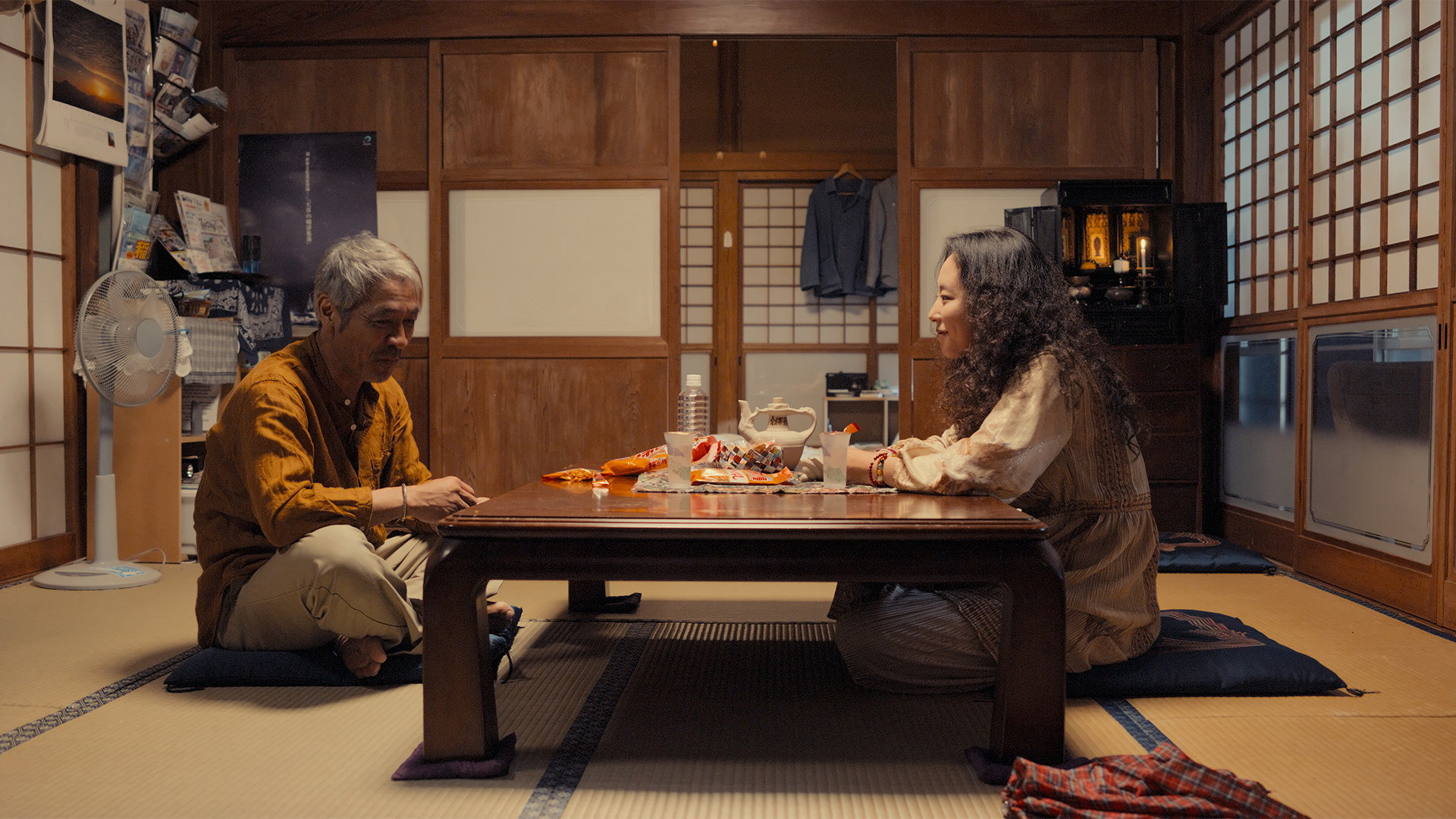
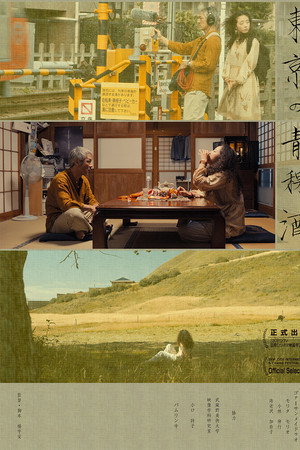


In the early 20th century, Japanese monk Ekai Kawaguchi entered a closed-off Tibet to seek original Buddhist scriptures and returned to Japan after enduring many hardships. Years later, Zoma's father left his family in Tibet to follow in Kawaguchi's footsteps and moved to Japan. Now, Zoma arrives in Japan to search for her father, guided by the photos and letters he left behind, only to learn that he has already passed away. At the inn where she stays, the host Kobayashi records the sounds of daily life as a way of holding on to the memory of his own late father. He gives Zoma a compact recorder that once belonged to his father. Zoma walks through the streets of Tokyo, visiting the places captured in her father's old photos and collecting sounds along the way. Through sound, the two gradually begin to find comfort and a shared sense of peace.
Shudder’s Host (not a particularly original title, I must say) attempts to bring the spooks to “the quarantine generation” by presenting us with a scary Zoom call during lockdown.
Overall, Matthias & Maxime doesn't reinvent this romantic concept. But it also doesn't need to. Dolan weaves a story of love, friendship, and life that is both realistic and bittersweet. The film is nuanced and sensual in a way we don't get to see often with LGBTQ characters. It's a film that we can celebrate.
If you’ve been itching for a sign to finally go on that unforgettable summer camping trip, this is it.
This HBO mini-series asks why a young white man turned to violence and finds no easy answers. But why do we only ask questions about certain kinds of killers?