Gus Van Sant's Constant Thematic and Cinematic Elements
The differences in these films could not be more blatant, and yet Gus Van Sant has found a way to portray the same messages and use the same techniques in each.




The night before their last day at St. John's School, all rich kids from senior year gather together to party and celebrate. When the sun finally rises, the whole class rushes towards the school campus, singing, waving flags, and shooting smoke flares, most of them still drunk. After going all around the building, they're told by the school authorities to clean the entire mess they’ve done, which triggers them into a state of anger and frustration, so instead of celebreting outside the school building, they all sprint towards the inside. The consequences snowball into an in depth reflection of some of the students regarding their actions, and how their non-perfect school life was while attending a so called “perfect” school.

Gregorio Correa Urquiza, Santino Scotti
Director
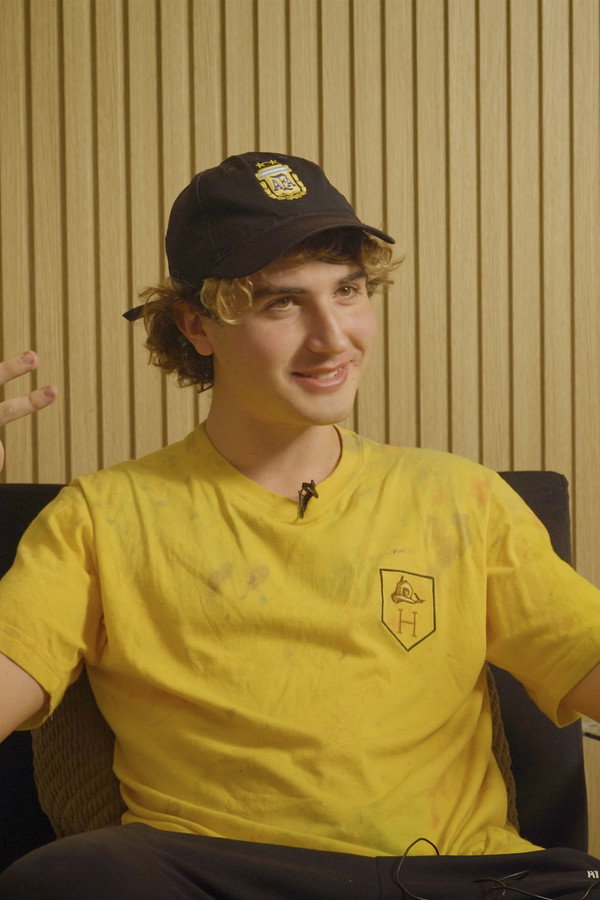
Franco Sbarbati
Self - Francp Sbarbati
Agustina Estrada
Self - Agustina Estrada
Jaime Dias
Self - Jaime Dias
Santiago Romano
Self - Santiago Romano
Sebastian De Cabrera
Self - Sebastian de Cabrera
Valentina Cavallari
Self - Valentina Caballari
Angel Ivancich
Self - Angel Ivancich
Matilda Ivancich
Self - Matilda Ivancich
Abril Garcia Martines
Self - Abril Garcia Martinez
Damian Martín
Self - Damian Martín
The differences in these films could not be more blatant, and yet Gus Van Sant has found a way to portray the same messages and use the same techniques in each.
After We Collided is a sequel to last year’s After, which itself was based on Anna Todd’s 2014 novel of the same name, and which was originally published as a Harry Styles-centric fan-fiction on WattPad (a similar path as E.L. James’ Fifty Shades of Grey series).
The character of Mulan is one of Disney’s best heroines. She’s brave, kicks butt, and has a kill count. What other Disney character has killed hundreds of Huns by crushing them with an avalanche? No one.
Crazy Rich Asians. The title is tacky, but the actual movie is both heartwarming and cosmopolitan. After all, it takes place in Singapore!
Based on the bestselling memoir, viewers get a glimpse of the challenges of autistic people.
The nations of Wakanda and Talokan enter war over their opposing viewpoints on dealing with the destructive hearts of humankind on the surface world.