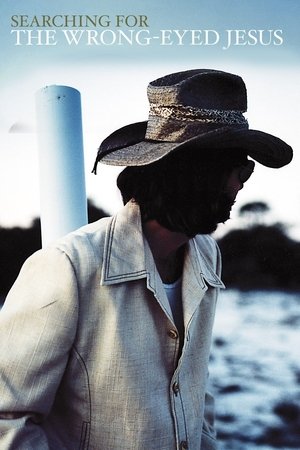
Searching for the Wrong-Eyed Jesus
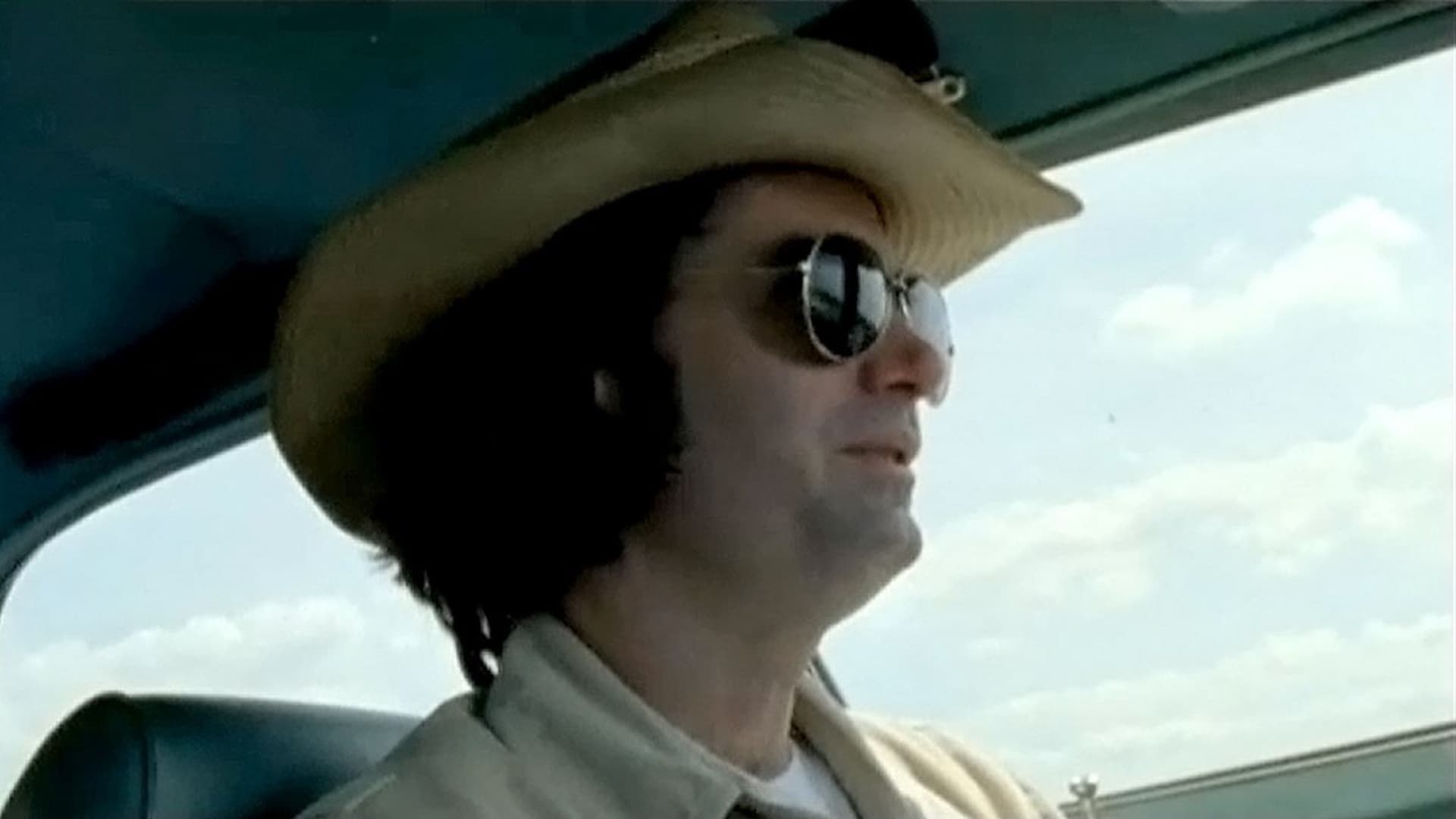
A stunningly-photographed, thought-provoking road trip into the heart of the poor white American South. Singer Jim White takes his 1970 Chevy Impala through a gritty terrain of churches, prisons, truckstops, biker bars and coalmines. Along the way are roadside encounters with present-day musical mavericks the Handsome Family, David Johansen, David Eugene Edwards of 16 Horsepower and old-time banjo player Lee Sexton, and grisly stories from the cult Southern novelist Harry Crews.

- / 5
PopScore
Representation
Pictures and Videos

Movie Information
A stunningly-photographed, thought-provoking road trip into the heart of the poor white American South. Singer Jim White takes his 1970 Chevy Impala through a gritty terrain of churches, prisons, truckstops, biker bars and coalmines. Along the way are roadside encounters with present-day musical mavericks the Handsome Family, David Johansen, David Eugene Edwards of 16 Horsepower and old-time banjo player Lee Sexton, and grisly stories from the cult Southern novelist Harry Crews.
Rating:
Genre:Documentary, Music
Written By:Steve Haisman
In Theaters:
Box Office:
Runtime:82 minutes
Studio:BBC, Lone Star, Anonymous Content, Andrew Douglas Company




Articles You May Like
The Determination and Heart of A "Soul Surfer"
Based on Bethany's autobiography "Soul Surfer: A True Story of Faith, Family, and Fighting to Get Back on the Board," this heartwarming film tracks the struggle to pursue normalcy and ambition after a major injury.
Tim Burton’s 'Wednesday' Explores Divisive Politics Through Its Macabre Mystery
Through its morbidly humorous storytelling, Wednesday tells a tale of a world divided that explores the manifestation of generational trauma in its protagonist Wednesday Addams.
Two Tickets to Greece US Premiere of Les Cyclades
Middle school best friends reunite in middle age - Magalie is a chaotic free spirit “freeloader”, Blandine is a divorcée “sourpuss” with severe depression. The Palm Beach Film Festival opening night was glamorous for “Two Tickets to Greece”, the first screening of the French film in the United States.
You're Probably Not 'The Worst Person In The World'
'The Worst Person In The World' follows a part of life I don't see often portrayed on-screen: extended adolescence.
'Blindspotting' is a Relevant Movie Everyone Should See, But Many Didn't
Movies also have the ability to make the audience think deeper about an issue that plagues society. "Blindspotting" does that without shying away from the intense reality of police brutality and racial discrimination.