






Chickenhare and the Hamster of Darkness
Chickenhare and the Hamster of Darkness explores true identity through exploration.
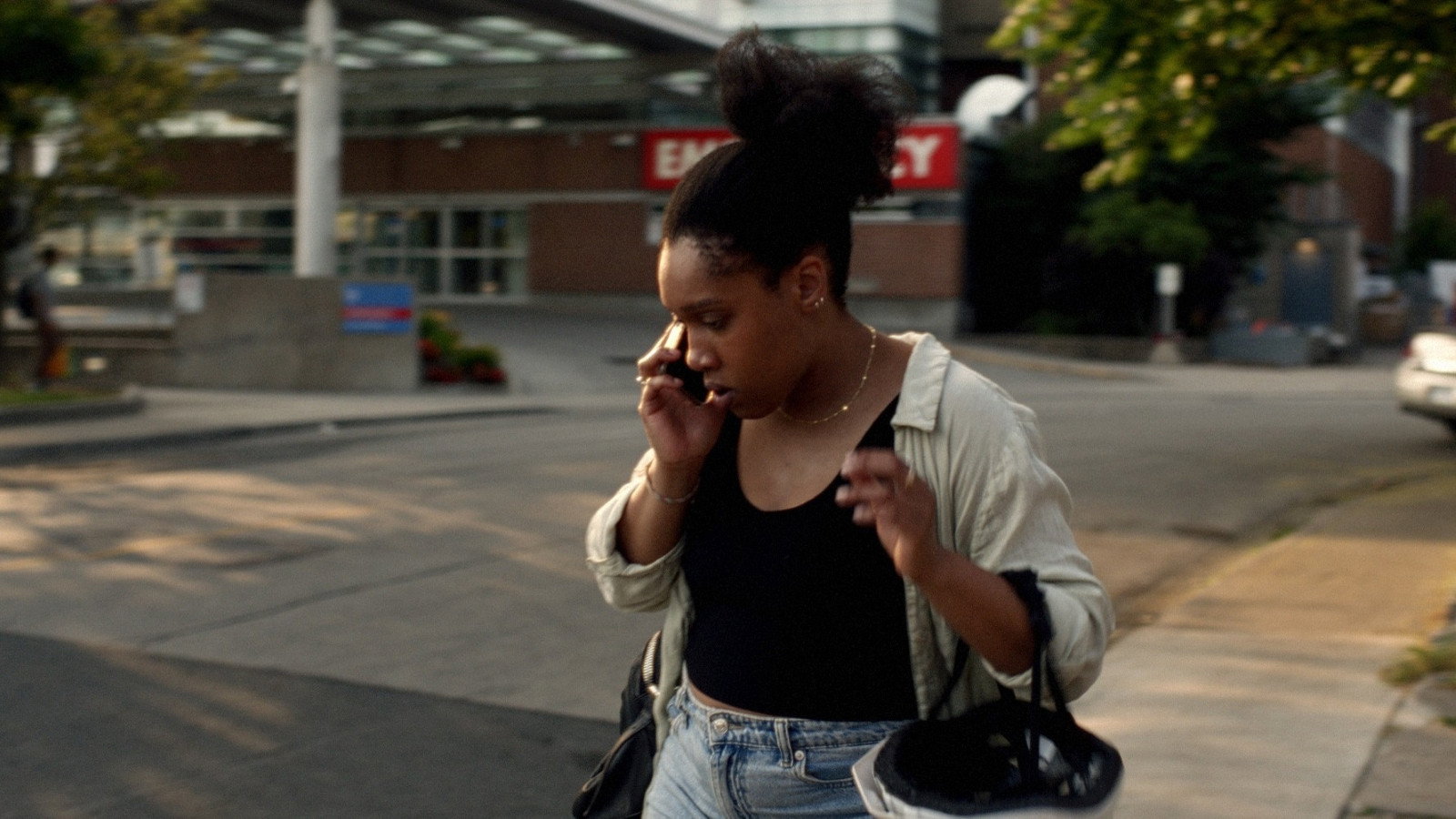



Nola, a sous chef, is seeking stability after a stay in a mental health facility. After a hectic dinner shift, she crashes her bike—and wakes to find her estranged, unhoused father, standing over her. As she takes him in, old wounds resurface, and her world unravels. Caught between past and present, love and loss, Nola must navigate grief, forgiveness, and the fragile hope of healing.
Chickenhare and the Hamster of Darkness explores true identity through exploration.
Cord Jefferson's hilarious and thought-provoking film continues a long-standing cinematic tradition, expanding the conversation around the impact of systemic racism in today's media.
The sequel following The Son of Bigfoot explores Adam's conflict of discovering his true identity as he tries to save a wildlife preserve.
While the director didn't set out to make a feminist film, "A Girl Walks Home Alone At Night" reads as a reclamation of female power in a patriarchal society.
For the entirety of Raiders of the Lost Ark, Marion remains in full control of both her body and her personality, a rarity for female characters at the time of the film’s release. She’s granted depth with personal demons from her past and emotional vulnerability when the situation deems it appropriate for her to grow alongside Indy. She avidly rejects the notion of being anything other than a sassy, humane rebel, and Indy’s equal in every way. This she does while still maintaining her femininity.
Typically in film, characters suffering from mental illness are used as plot devices or exaggerated for comedy. 'The House that Jack Built's representation exceeds in accuracy and realism of OCD.