






The 100: Highlighting Humanity’s Successes and Failures in Overcoming Hateful Rhetoric
The 100 imagines a future where humanity's overcome some of its most pervasive forms of prejudice—only to create new ones.

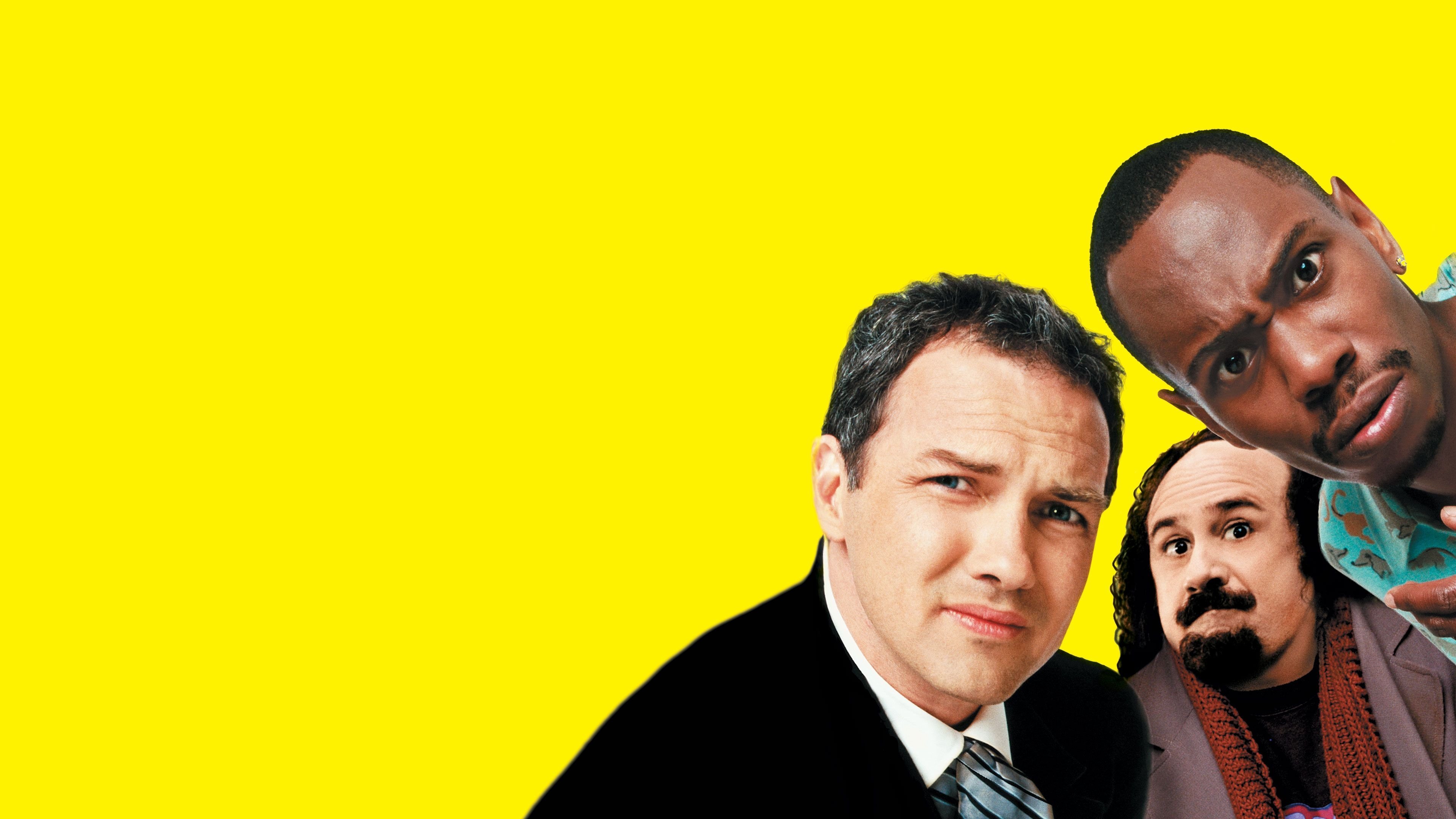
A chauffeur kidnaps his rich boss's dog to hold it for ransom, but when she accidentally gets the dog back, she thinks that it's the chauffeur who's been kidnapped.
The 100 imagines a future where humanity's overcome some of its most pervasive forms of prejudice—only to create new ones.
The “gay best friend”, an age-old trope, has been done in countless films and television series. Ranging from one-note (Sex and the City's Stanford and Mario) to nuanced (Unbreakable Kimmy Schmidt's Tituss), the gay best friend exists to support and advise the main protagonist, with their conflicts swept to the side.
Treated like a granter of wishes for those earning out of retelling the same tragedy, Marilyn looks like she's caged in different stages of trauma for us to stare at, instead of someone we’ve finally allowed to rest in peace.
The second episode of the highly anticipated Afrofuturism series delivers with a high-speed race teaching us to go far beyond just accepting ourselves.
White audiences saw Peola’s mixed-race passing as a Black woman’s struggle to be white. Black audiences saw it as the rebellion of a Black woman trying to gain privileges only given to white people.
“Candyman ain't a 'he.’ Candyman is the whole damn hive." Candyman represents all Black victims of white supremacy, and this art form narratively conveys it in a succinct, adulatory way, the history of which is rare to find.