

Chloe's Adventures in Beverly Hills Chihuahua
A dog who needs to learn new tricks in this family comedy.
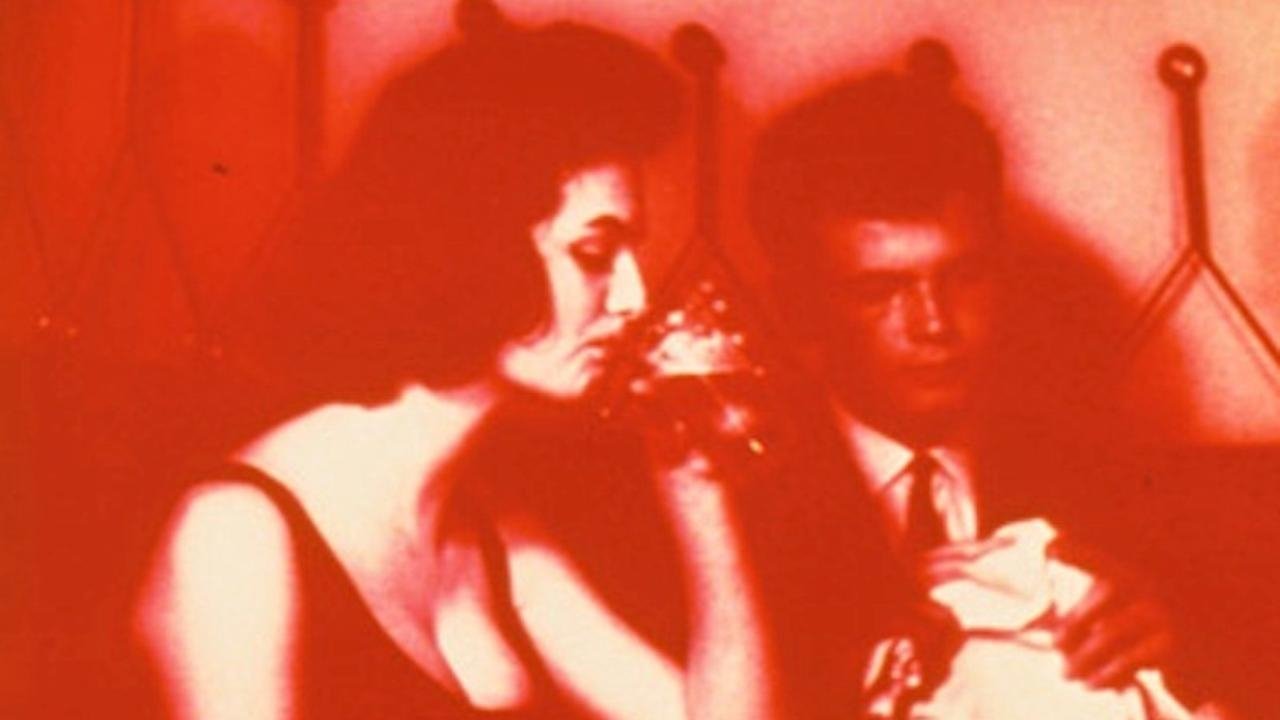



In 1957, Peter Kubelka was hired to make a short commercial for Schwechater beer. The beer company undoubtedly thought they were commissioning a film that would help them sell their beers; Kubelka had other ideas. He shot his film with a camera that did not even have a viewer, simply pointing it in the general direction of the action. He then took many months to edit his footage, while the company fumed and demanded a finished product. Finally he submitted a film, 90 seconds long, that featured extremely rapid cutting (cutting at the limits of most viewers' perception) between images washed out almost to the point of abstraction — in black-and-white positive and negative and with red tint — of dimly visible people drinking beer and of the froth of beer seen in a fully abstract pattern.
A dog who needs to learn new tricks in this family comedy.
Since Season 2 of Peacemaker is currently airing, let’s revisit the movie that started it all.
Intergenerational friendships and community can be so powerful, and this was a great example.
Hustlers was meant to be a film about female empowerment. And it was, to a certain extent. I expected and wanted this to be a kickass and complex film of sexy women who use their confidence, skills, and wits towards a brilliant plan to get revenge on the Wall Street guys who wronged them.
How closely does an actor need to resemble a character or historical figure in order to portray them on the Silver Screen? Seems to depend on color.
Leveraging the cockiness of many of his interview subjects, Theroux created an exposing documentary that shows just how scary these sections of the internet can be.