





Black And Loud: Afrocentric Films Everyone Should See
Looking for some Afro-centric entertainment? Check out these movies and immerse yourself in Black culture.
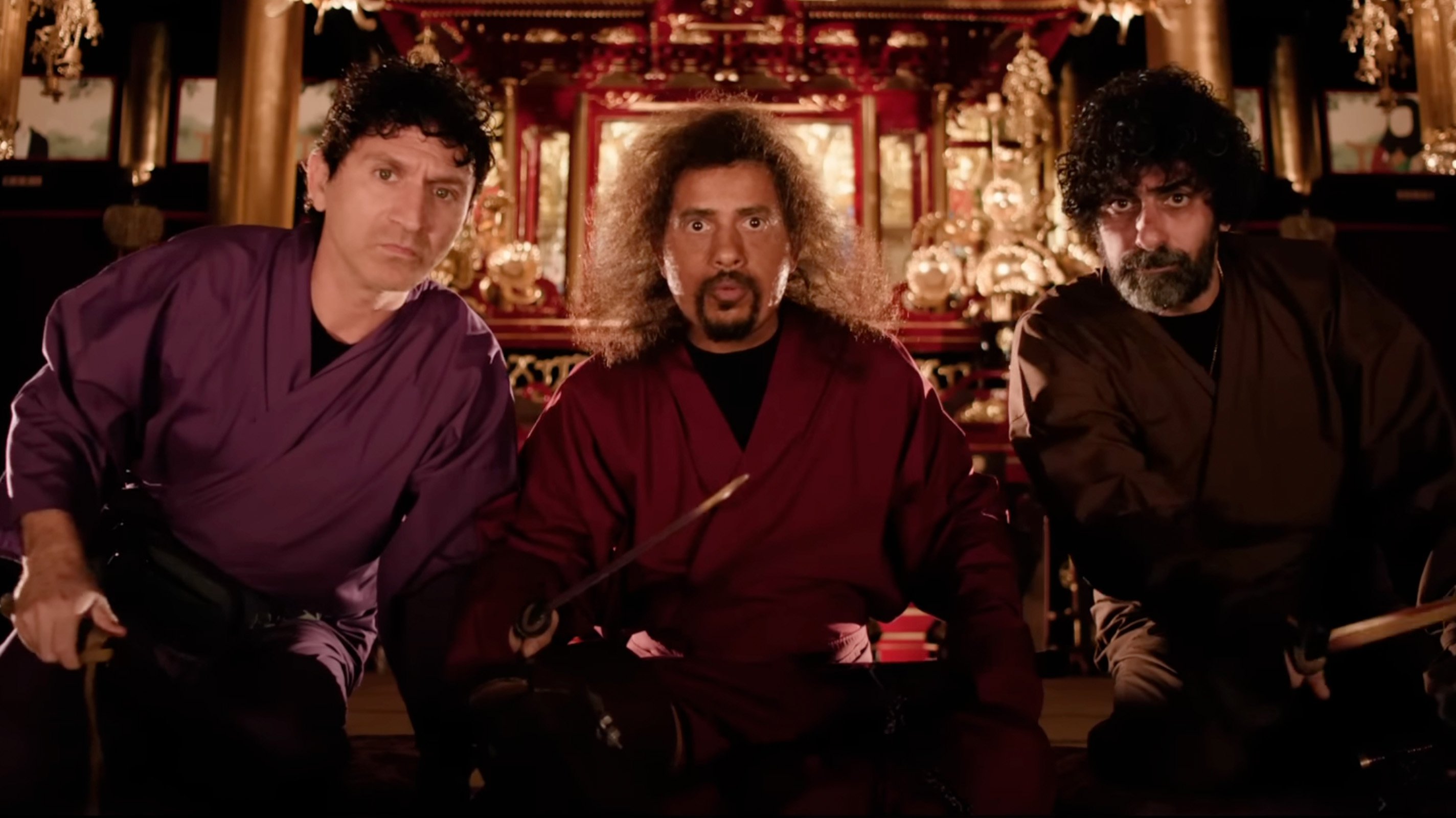



After the Israeli box office success of the first film, Avihu, Betzalel, and Natty return to theaters - this time, to save Shuli from the Japanese mafia, the Yakuza. The trio embarks on a wild adventure across Japan, along with Bat Sheva, Shuli's boss at his Tokyo restaurant job, and Roboko - a female android. Along the way, they'll have to face ninjas, the Yakuza, the crazy Japanese culture - and complete their biggest challenge: Saving Shuli. Again.
Looking for some Afro-centric entertainment? Check out these movies and immerse yourself in Black culture.
On their new show, The Kardashians, the famous family continues to use their personal lives as advertisements for thier billion-dollar businesses.
A bond between a girl and her dog takes an unexpected twist as the dog is not what it seems.
The death of Grace's father brings challenges as the family tries to preserve their ranch.
A wondrously imaginative, diverse, and spirited allegory of childhood and the arduousness of adulthood.
Outer Banks (2020-) knows its audience: young adults in a country that can’t stop romanticizing good ole’ treasure hunts. Add a little of Riverdale’s (2017-) sex appeal, and no one can look away. Forty years after The Goonies (1985) America’s consciousness hasn’t strayed from the same tropes: treasure hunts, a vulnerable white male lead, and the whitewashing of a racially segregated setting.