

Chickenhare and the Hamster of Darkness
Chickenhare and the Hamster of Darkness explores true identity through exploration.
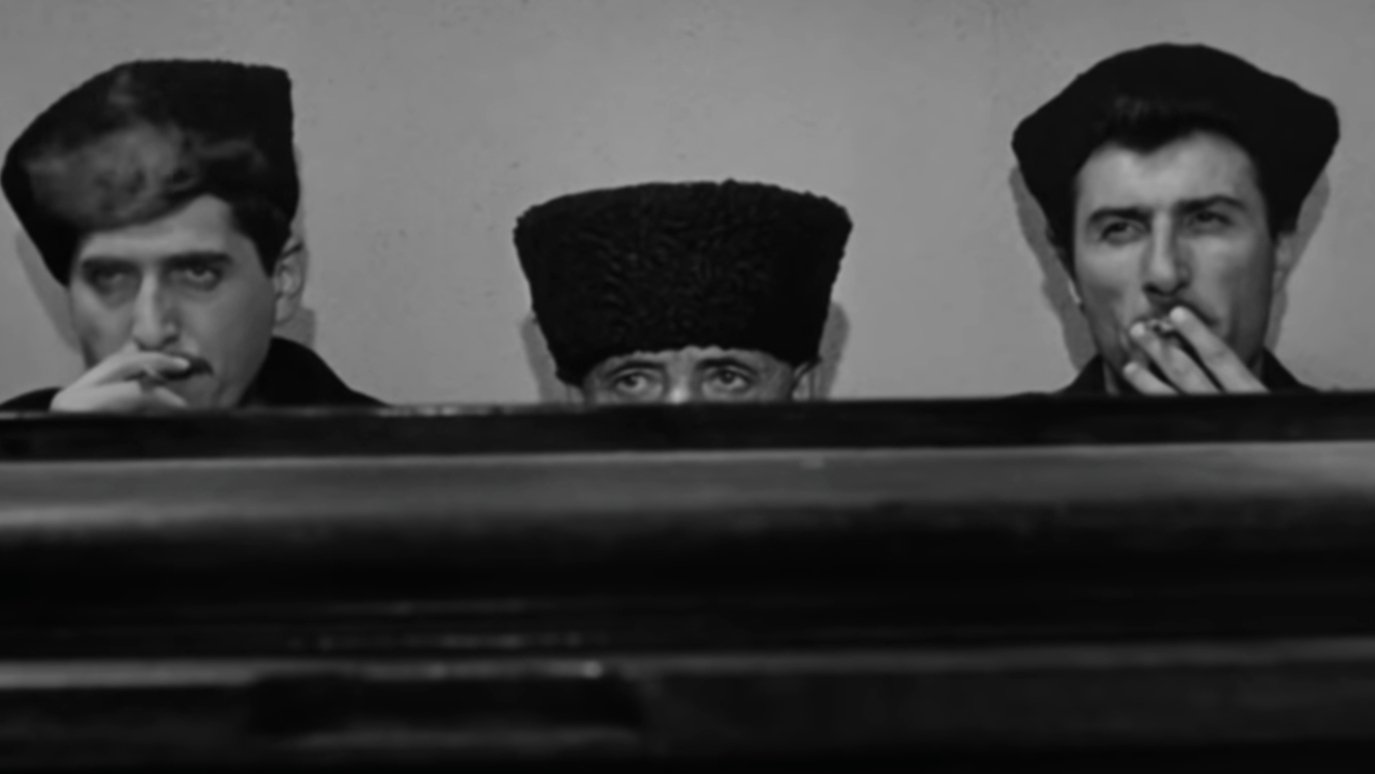
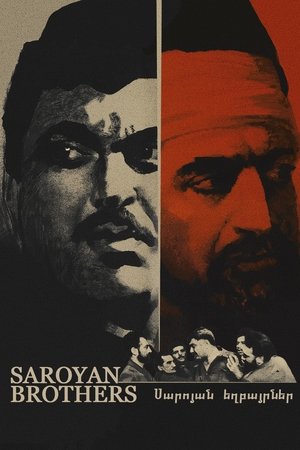


1920. Last days of the first Armenian Republic. Armenian Army fights on two fronts: war with Turkish army in the west, and Red Army incursion and Bolshevik mutiny in the northeast. Hayk Saroyan returns to his native provincial town from Russia to assume a minor post at Dashnak Army command center. His brother Gevorg, captain at the same command center, is a real patriot prefering death to "eternal exile", army power to relegious mercifullness. Very soon a suspicion creeps inside him: his beloved brother is Bolshevik spy.
Chickenhare and the Hamster of Darkness explores true identity through exploration.
Do not trust Rotten Tomatoes. That is what I learned after watching Eternals. Critics currently rate it a 48%, but it's an amazing character-focused Marvel movie with positive diverse representation.
It took writers D.B Weiss and David Benioff two years to give us a promising final season. Two. Years. It was just going to be six episodes, which was short considering that all the other seasons — except season 7 — were 10 episodes. 10. 6 wasn’t enough, and even HBO wanted to give the writers more episodes. More seasons, even. However, the writers wanted to get out of the show as quickly as possible to work on other projects. This abruptness is clearly shown in this season.
Sing 2 the beat in this jukebox sequel featuring anthropomorphic animals with musical talent.
"Thunder Road" presents the grief that comes from a family member taking their own life.
Hiring bias is something that's rampant in all industries (even unconscious bias). But writing a script totally neutral not only opens the door for more diverse actors, but also for characters that are people first.