Docunight Presents: Iranian Women's Stories
Four documentaries, now streaming on the Criterion Channel, embody the adopted slogan of the current protest movement: Woman, Life, Freedom
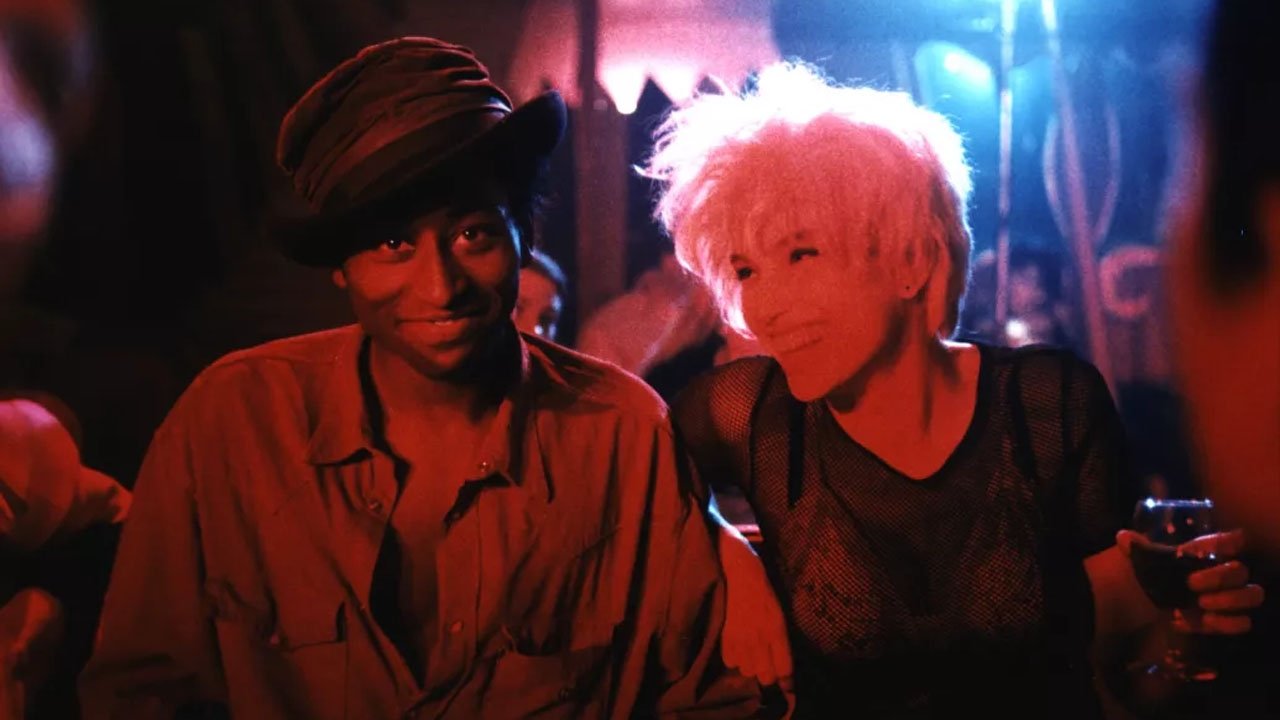



After trying a job as a stripper in a Barcelona carnival, Eva (Aure Attika) is ready for something new, so she heads over to France and becomes the roommate of a gay American artist (Phillip Bartlett) and works as the housewife for two wealthy older homosexuals (Claude Chabrol and Jean-François Balmer. After she gets settled, she takes a job at a government office for a while but then decides to have a child, which her obliging roommate makes with her the old fashioned way. He then returns to his usual preference, while Eva explores becoming an artist herself. From time to time in this easygoing comedy, Eva's similarly independent and quirky mother (Bernadette Lafont) shows up.

Virginie Thévenet
Director


Aure Atika
Eva

Jean-François Balmer
Albert
Philip Bartlett
Peter

Claude Chabrol
M. Denis

Rossy de Palma
Chichi
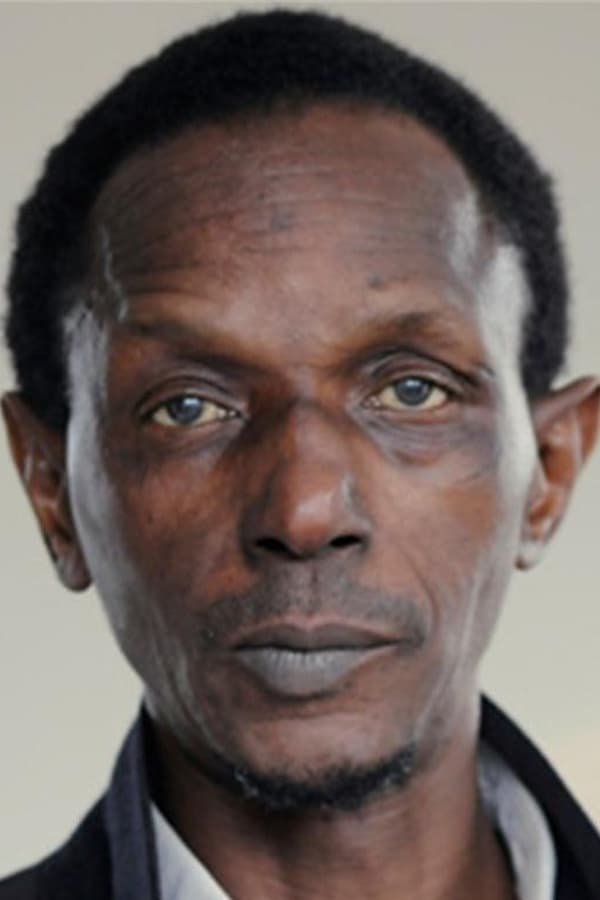
Bass Dhem
Head of register of births, marriages, and deaths

Bernadette Lafont
Lucie
Santiago Lajusticia
José

Catherine Benguigui
Employee of the town hall

Marilú Marini
Tatiana Gracchi
Four documentaries, now streaming on the Criterion Channel, embody the adopted slogan of the current protest movement: Woman, Life, Freedom
Taylor Swift dazzles many fans with remixes of her country and pop singles in her Reputation Stadium concert tour, becoming a successful concert film.
It's sexy, regardless of what else is going on.
Celebrate Pride with these movies and TV shows available on popular streaming services. (Good news: a lot of them are available for free.)
If a movie about a strange and crazy day is commercially successful, why not recycle it and double the kookiness quotient? That seems to be the logic behind this followup to Freaky Friday.
Films can alleviate alienation by presenting realities where the viewers feelings are shared by onscreen characters. 'The Little Mermaid" film can be interpreted as a transgender story.