

Halt and Catch Fire's Trailblazing Queer Representation
It was always people for Joe, and he ultimately found them at the end of a long, painful, yet illuminating quest for self-discovery outside of one, confident constant - his bisexuality.
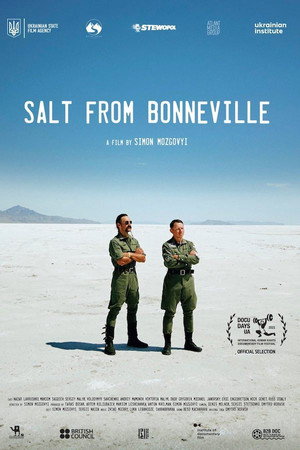


The story is about Nazar and Max, two guys from Ukraine, and an old Soviet bike, and the ambitious goal they set themselves to beat the world speed record at the Bonneville Salt Flats in Utah, USA. This dry salt desert is the meeting point for hundreds of people from all over the world, who spend millions of dollars on their quest to become the next speed racing champion. Nazar and Max spend all their time assembling their bike in a small garage on the outskirts of Kyiv, travelling hundreds of miles and overcoming countless obstacles to make their dreams come true. And then, on the other side of the world, they both come to realize why there are there.
It was always people for Joe, and he ultimately found them at the end of a long, painful, yet illuminating quest for self-discovery outside of one, confident constant - his bisexuality.
“And I think to myself….what a wonderful world”. Louis Armstrong sang about this notion via his classic 1967 song, an ode to witnessing elements of our life that should be but some reminders of exactly what that concluding line of each verse indicates. Now we see our contemporary realities and, just being honest, it makes a sentiment like this seem SO overtly far away….perhaps even impossible….to accept or believe could be. It sounds harsh, but again, so much of what is occurring speaks not to beauty, but bedlam.
A decade since it aired, Shameless (U.S.) has always stuck to its guns (and baseball bats) about character diversity.
A24 keeps producing amazing films and X belongs with all the brilliant titles under its name. And is definitely a must-watch for a film enthusiast!
Love, Simon (2018) based on the book “Simon vs The Homo Sapiens Agenda” (by Becky Albertalli) is a teen LGBTQ+ rom-com with themes of longing to find others with similar struggles, and ultimately is a story of acceptance of identity from those around you, and most importantly, from yourself.
All in all, “Event Horizon” is a cinematic misfire, begging to be perfected in the future. While it possesses an array of admirable visuals, the film leaves much to be desired. If only we could see Anderson’s preferred cut, which featured more character development and tortuous imagery. In the meantime, I have a catchphrase for this film: In space no one can hear you snore.