
'Shang-Chi' Delivers Epic Superhero Action and Positive Asian Representation
Marvel’s first Asian superhero film, 'Shang-Chi', deserves praise for balancing epic superhero action, a heartfelt family plot, and positive Asian representation.
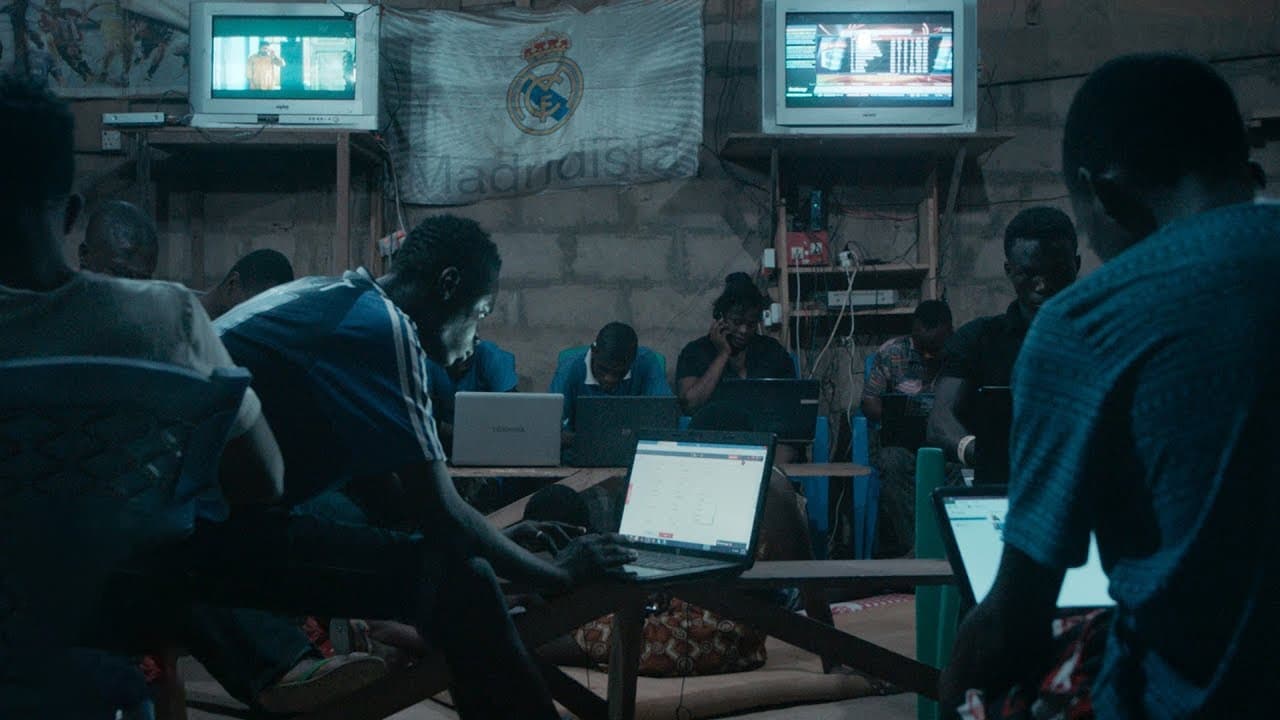



There’s a treasure trove of information to be found in the poisonous e-waste in Ghana. It’s a relatively simple matter to open up hard drives and gain access to photos and the personal details of their former owners. Equipped with a name and address, almost anybody can be found online. A young mother looks in astonishment at an American street that she has conjured up on Google Maps in a matter of seconds—this is Ama, one of the internet con artists in this film.
Marvel’s first Asian superhero film, 'Shang-Chi', deserves praise for balancing epic superhero action, a heartfelt family plot, and positive Asian representation.
For the entirety of Raiders of the Lost Ark, Marion remains in full control of both her body and her personality, a rarity for female characters at the time of the film’s release. She’s granted depth with personal demons from her past and emotional vulnerability when the situation deems it appropriate for her to grow alongside Indy. She avidly rejects the notion of being anything other than a sassy, humane rebel, and Indy’s equal in every way. This she does while still maintaining her femininity.
An action film led by two queens, fighting for what they believe in through power and pain.
Hanna Bergholm's 'Hatching' shows us that the modern version of the cardboard world trope is social media.
I’m disappointed in The Woman in Cabin 10, but that’s at least in part because of my love of Ruth Ware’s novel.
As a huge fan of Sean Baker’s Tangerine, The Florida Project, and Red Rocket, I’ve wanted to watch Anora since before it even was released. But life got in the way, my watchlist grew, and honestly, the fact that it was marketed as a romantic comedy put me off. Even with all the critical praise and the five Academy Awards it won last year, I just kept postponing it indefinitely.