
A Conversation With the Filmmakers of 'When Men Were Men'
Hours before their line-up of screenings for Trans Awareness Week began, the filmmakers of 'When Men Were Men' chatted with me about the film's personal exploration of masculinity.
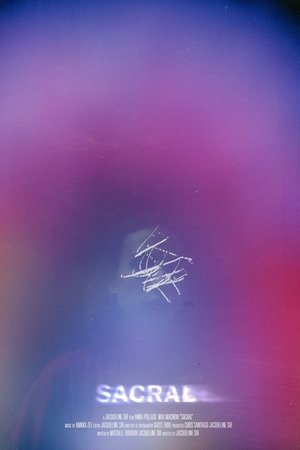


When Silvia mysteriously goes missing in Chinatown, tension rises between the two people closest to her. Jacqueline Sir directs “Sacral,” a fragmentary drama about the messy relationships and social life of a group of young NY city kids. Told with blurred low-fi imagery and a constant sense of unease and disorientation, it’s raw as they come, and paints an authentic picture of an alarming absence. When Nadia can’t locate her best friend, Silvia, she seeks out her boyfriend, Max, the last person she saw him with. As their group of friends pre-game for a party, she doubles down on Max who is behaving suspiciously evasive. A mix of edgy realism and almost nightmarish paranoia, the film’s resonance accumulates from jagged shards into a haunting mystery.
Hours before their line-up of screenings for Trans Awareness Week began, the filmmakers of 'When Men Were Men' chatted with me about the film's personal exploration of masculinity.
What happens to an inseparable bond when love for competing morphs into competing for love?
Dead Poets Society relies on patriarchal tropes such as overbearing fathers, contrived brotherhood, and faux-individuality in order to portray its straight white male characters as oppressed.
Two Korean sisters must save their family after a ghost tears the family apart.
Disney remakes have often gotten a bad rap for their consistent reliance on the originals and overuse of CGI. However, Mulan is a remake that is able to transcend beyond Disney's other remakes with a confident and bold earnestness.
2026 ranks highest in Oscars history for its representation of minorities in all categories, and that’s definitely something to be celebrated.