Runner (2013)
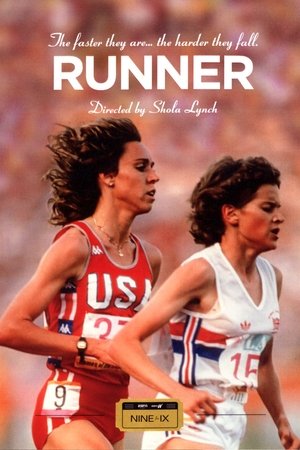
Mary Decker obliterated opponents and records with blazing speed and a starving hunger to win. She dominated her sport, holding US records in every distance from 800 to 10,000 meters, and she did it all without the Olympics. She was too young in '72, hurt in '76 and shut out by the U.S. boycott in '80. As Sports Illustrated's cover Sportswoman of the Year in 1983, she was ready: 1984 was the target, with the Olympics in LA and her skills at their 25 year-old peak. But the story leads to a single shocking moment in the 1984 Olympics, with Mary writhing on the ground in physical pain and emotional heartbreak with the whole world watching.

- / 5
PopScore
Representation
Pictures and Videos

Movie Information
Mary Decker obliterated opponents and records with blazing speed and a starving hunger to win. She dominated her sport, holding US records in every distance from 800 to 10,000 meters, and she did it all without the Olympics. She was too young in '72, hurt in '76 and shut out by the U.S. boycott in '80. As Sports Illustrated's cover Sportswoman of the Year in 1983, she was ready: 1984 was the target, with the Olympics in LA and her skills at their 25 year-old peak. But the story leads to a single shocking moment in the 1984 Olympics, with Mary writhing on the ground in physical pain and emotional heartbreak with the whole world watching.
Rating:
Genre:Documentary
Written By:
In Theaters:8/13/2013
Box Office:
Runtime:60 minutes
Studio:ESPN Films
Cast


Articles You May Like
Are You There God? It's Me, Margaret. (2023)
This coming-of-age movie based on the 1970 book by Judy Blume gives viewers a scope on female topics in the quest for a religious identity.
“Passenger” is a Ride to Nowhere
If you were to watch it on streaming when you have nothing to do, it’s still probably a giant waste of time, but you could do far worse. Paying $18 for a movie ticket and who knows how much for concessions turns this from an exercise in boredom to an exercise in frustration.
‘WandaVision’ in Color: Spoiler-Free Recap of Episode 3
Episode 3, entitled “Now in Color,” brings us to the 1970s — a decade full of vibrancy, color, and total mayhem.
The Bubble: A Spoonful of Comedy Doesn't Make the Social Commentary Go Down
Ultimately the problem with The Bubble is that it plays everything for laughs to get around the audience’s defenses. But it comes off like a privileged white male thinking that ridiculing everyone else equally is the road to equality. And it’s not. And it's definitely not funny to pretend that it is.