







Incluvie – Better diversity in movies.
Identity in film with Incluvie stamps, scores, reviews.

Incluvie – Better diversity in movies.
Explore identity in film with Incluvie stamps, scores, reviews, and insights.

trailer banner
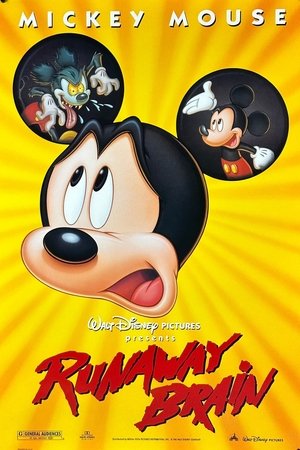
Runaway Brain poster

Runaway Brain (1995)

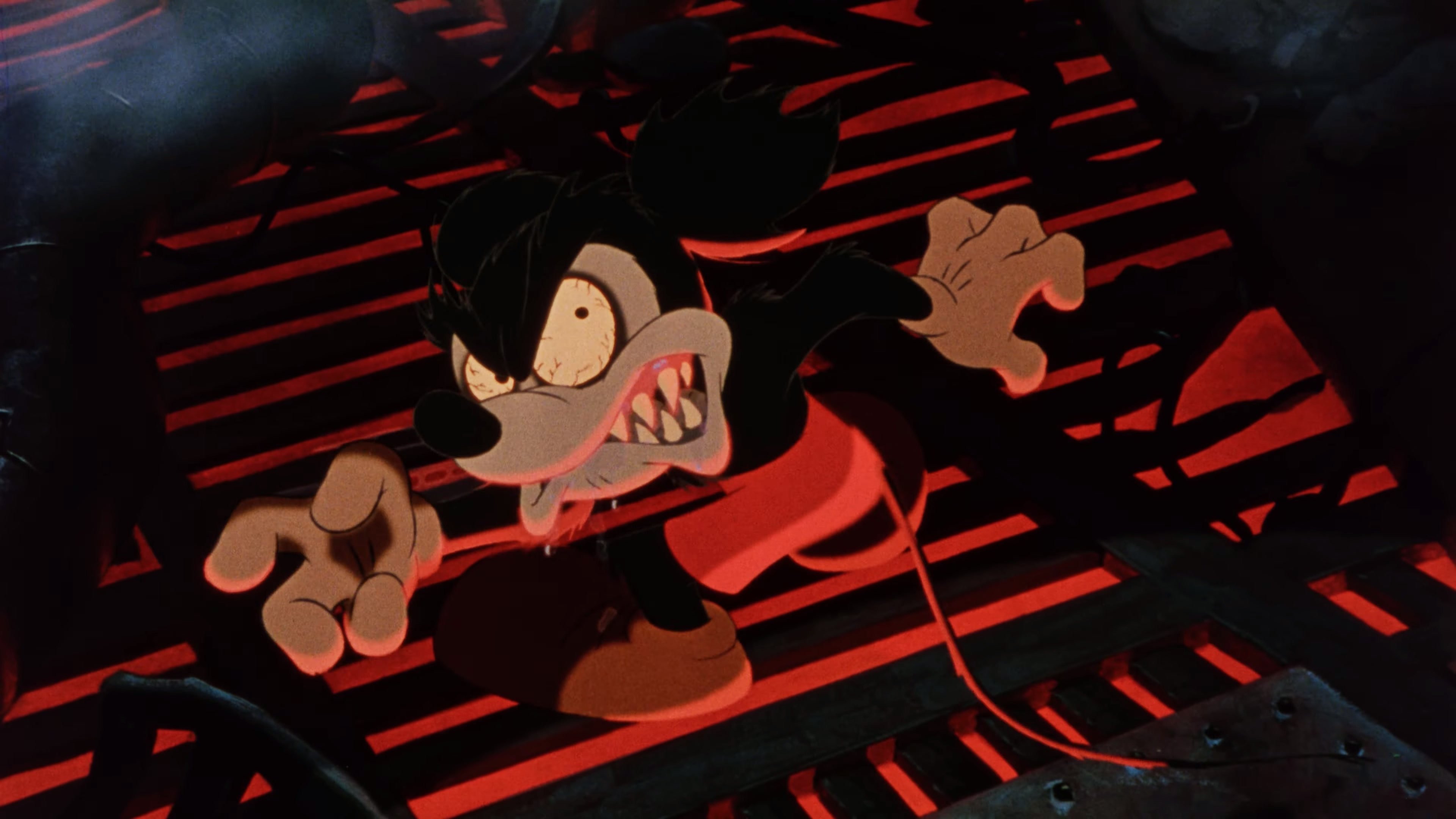
In an attempt to convince Minnie that he hasn't forgotten to buy her an anniversary present, Mickey Mouse ends up promising to take her to Hawaii. Funds being short, he applies for a job as lab assistant to the sinister Dr. Frankenollie, who happens to be searching for a donor to provide his monstrous creation with a brain.
- / 5
PopScore
Representation

Pictures and Videos


Incluvie Gala

Movie Information


In an attempt to convince Minnie that he hasn't forgotten to buy her an anniversary present, Mickey Mouse ends up promising to take her to Hawaii. Funds being short, he applies for a job as lab assistant to the sinister Dr. Frankenollie, who happens to be searching for a donor to provide his monstrous creation with a brain.

Rating:G
Genre:Animation, Comedy, Science Fiction, Horror
Directed By:Chris Bailey
Written By:Tim Hauser
In Theaters:8/11/1995
Box Office:

Runtime:8 minutes
Studio:Walt Disney Pictures, Walt Disney Feature Animation

Articles You May Like


Amazon Prime's Pretty Lethal: Makes No Sense, Is No Fun

I write for a diversity-focused film review blog, so I’ll be honest: I really wanted to like Pretty Lethal. Starring Maddie Ziegler, Lana Condor, Iris Apatow, Avantika, and Millicent Simmonds, Amazon Prime’s new thriller seemed like it would be a girl power movie about dancers with a horror action twist. Sort of a Suspiria for teens. But with shallow and unlikeable characters, a confusing plot, an overreliance on violence, and cringey dialogue, any fun the movie started out with was quickly lost. What was left was a faint echo of greater horror movies about dancers made before. 

Jo Moses

Who Needs 'Independence Day' When You've Got 'Sorry to Bother You'?

Sorry to Bother You ultimately speaks to the unfair advantages that the country’s power structures award to those with the resources to control others, as Lift’s easy access to the media allows his opinion to be the only one that matters in the eyes of the unsuspecting and easily impressed public. Moreover, it reveals the extent to which the American Dream has any true validity. It postulates how the promise of success and fulfillment as promoted by the American Dream more often than not leads to the undoing of the individual. Interestingly, in its revealing of the American Dream as merely a facade, Sorry to Bother You wisely questions whether or not anything can really be done to undo a system that has been accepted and in action for centuries.

Matt Geiger