



'Encanto': Colorful Characters, Intergenerational Trauma, and Fun Music
Disney's newest Latine animated musical, 'Encanto', features a super colorful cast, fun music, and a surprising conflict about intergenerational trauma.
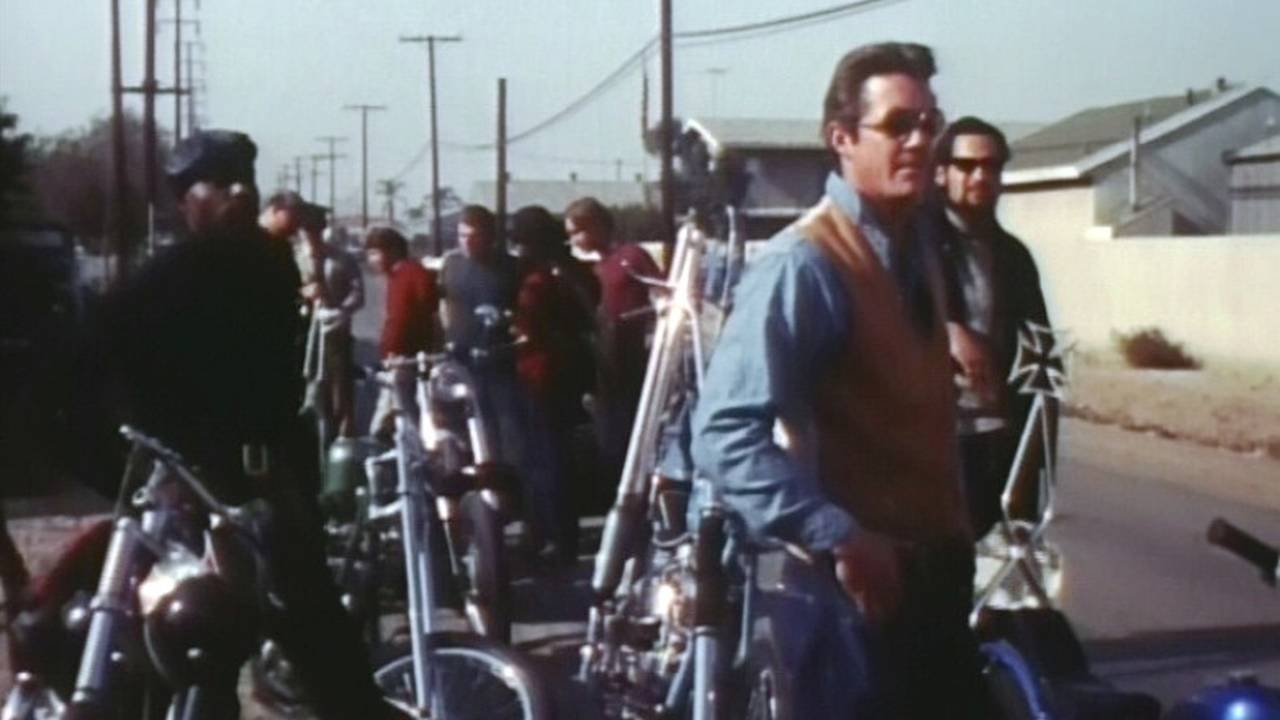
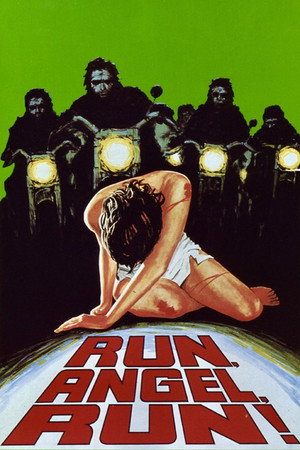


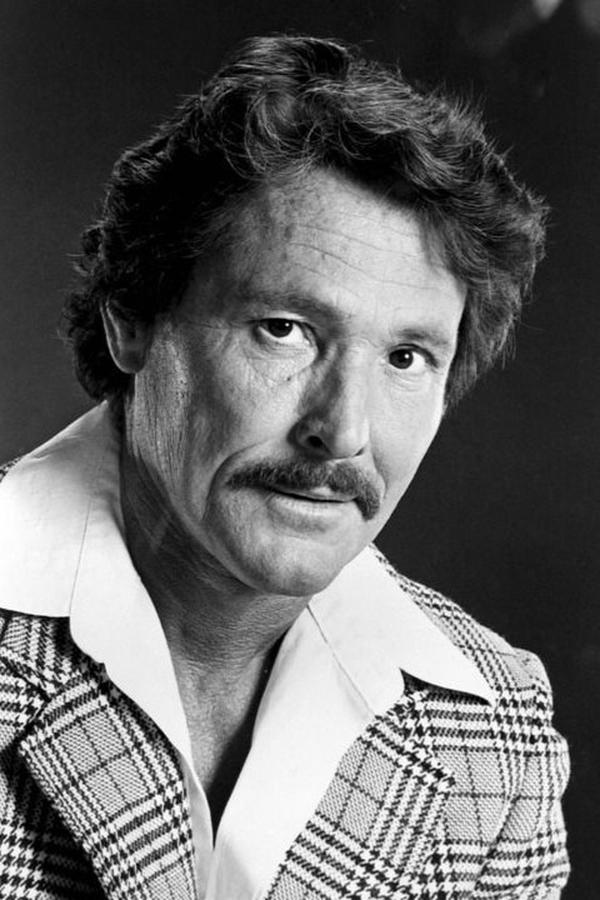
Angel (William Smith), an outlaw biker, sells out his gang by exposing their wild conquests to Like magazine for $10,000. With his photo on the cover, Angel skips town and tries to start over with help from sheep rancher Dan Felton (Dan Kemp). An ex-motorcycle enthusiast, Dan becomes a mentor to Angel, giving him hope for a peaceful future. But Angel must put hope aside when members of his former gang viciously attack Dan's teenage daughter.
Disney's newest Latine animated musical, 'Encanto', features a super colorful cast, fun music, and a surprising conflict about intergenerational trauma.
While Peter’s heroics might have been a bit unrealistic at times due to his lack of experience, I will always support the civilian taking down the establishment.
The social issues The Half of it takes on are handled well, between the antagonization brought on to Ellie for her race and the conflict that arises from her being gay. Both aspects of her character are built up over the course of the film and don’t seem abrupt or rushed. The film shows racism towards Ellie and her and father in varying levels, from having her schoolmates specifically address her as "Chinese girl” to the fore mentioned way her Dad is treated due to language barriers. The same can be said about Ellie being a lesbian. While she never truly “comes out” in the narrative, that does not undermine her journey of self-discovery from being meaningful. These ideas aren’t thrust upon the viewer in a preachy manor, the scenarios that occur feel believable given the rural setting. The film presents watchers with problems whom those like Ellie may face, and leaves us to sit with them and reflect.
The relationship between Will and Sean is the best part of the movie. It’s always a delight to see Robin Williams on screen
"The Mitchells vs. The Machines" captures the eternal struggle between kids who want to pursue the arts and their practical parents who think they'll fail.
Spotlighting the legacy of the legendary Raymond Lewis through the love of a devoted daughter.