



“Omaha”: Innocence Broken by Economic Injustice
Omaha reminds us of what it can feel like to look at old family photographs. You sit with the bittersweetness, allowing it to wash over you; not drowning in it, but certainly affected by it.
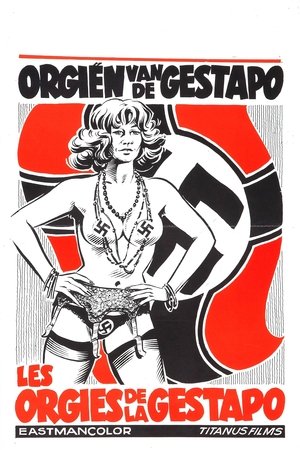


War criminals, escaped from Germany, joining the network in Morocco where, before going to South America they change their facial structure. Marchelier pretends to be one of them. Marchelier can therefore collect within the network the most valuable information, especially as he became the lover of Eva. But Herbert, deputy chief Nazi, gradually feeds suspicions. Betrayed by a double agent, Marchelier is unmasked. Thanks to the intervention of his leaders and the Moroccan police, Marchelier is rescued. Herbert was shot, as Philippe. The man with The Bandaged face is none other than Hitler himself.
Omaha reminds us of what it can feel like to look at old family photographs. You sit with the bittersweetness, allowing it to wash over you; not drowning in it, but certainly affected by it.
Although Christmas is a time of year for love and cheer for all, holiday cinema has not always represented diverse communities. Being a holiday with Christian origins, much of its media consists of straight white families or straight white romances. Luckily, modern years have been bringing with them plenty of POC and LGBTQ+ representation that the holidays so desperately need.
Two Korean sisters must save their family after a ghost tears the family apart.
I think that the happiness and survival of "Wynonna Earp"’s LGBTQ+ characters is incredibly refreshing in contrast to the prevalence of queer suffering and death in other television.