



Baggage (2026): Surrealistic Visual Language and Confront the Past
Baggage’s experimental mixed formats visualized a woman’s brave inner journey of visiting the museum of her fragmented memories.

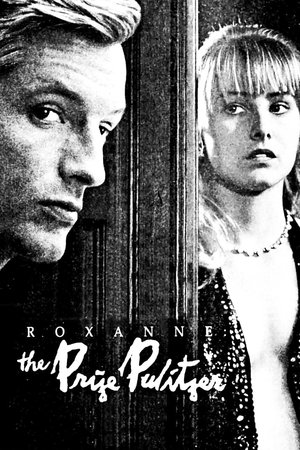


When young Roxanne Ulrich (Chynna Phillips) meets wealthy charmer Herbert Pulitzer (Perry King) and enters the scandal-ridden world of the rich and famous, her life changes forever. After a whirlwind courtship, the two wed, but their marriage is quickly torn apart by drug abuse and affairs. Courteney Cox co-stars in this drama based on Roxanne Pulitzer's 1987 autobiography, written after her headline-making divorce from the publishing heir.
Baggage’s experimental mixed formats visualized a woman’s brave inner journey of visiting the museum of her fragmented memories.
Tom Clancy's Without Remorse has everything a movie director from the 80’s could wish.
Keep scrolling to find names that should become part of your watchlist!
Let it Snow in a nutshell, is a warmhearted coming of age teen Christmas movie.
Sorry to Bother You ultimately speaks to the unfair advantages that the country’s power structures award to those with the resources to control others, as Lift’s easy access to the media allows his opinion to be the only one that matters in the eyes of the unsuspecting and easily impressed public. Moreover, it reveals the extent to which the American Dream has any true validity. It postulates how the promise of success and fulfillment as promoted by the American Dream more often than not leads to the undoing of the individual. Interestingly, in its revealing of the American Dream as merely a facade, Sorry to Bother You wisely questions whether or not anything can really be done to undo a system that has been accepted and in action for centuries.