







"Abominable" is not Abominable at all
"Abominable" is an exciting story for children and a great step forward for positive Asian representation.
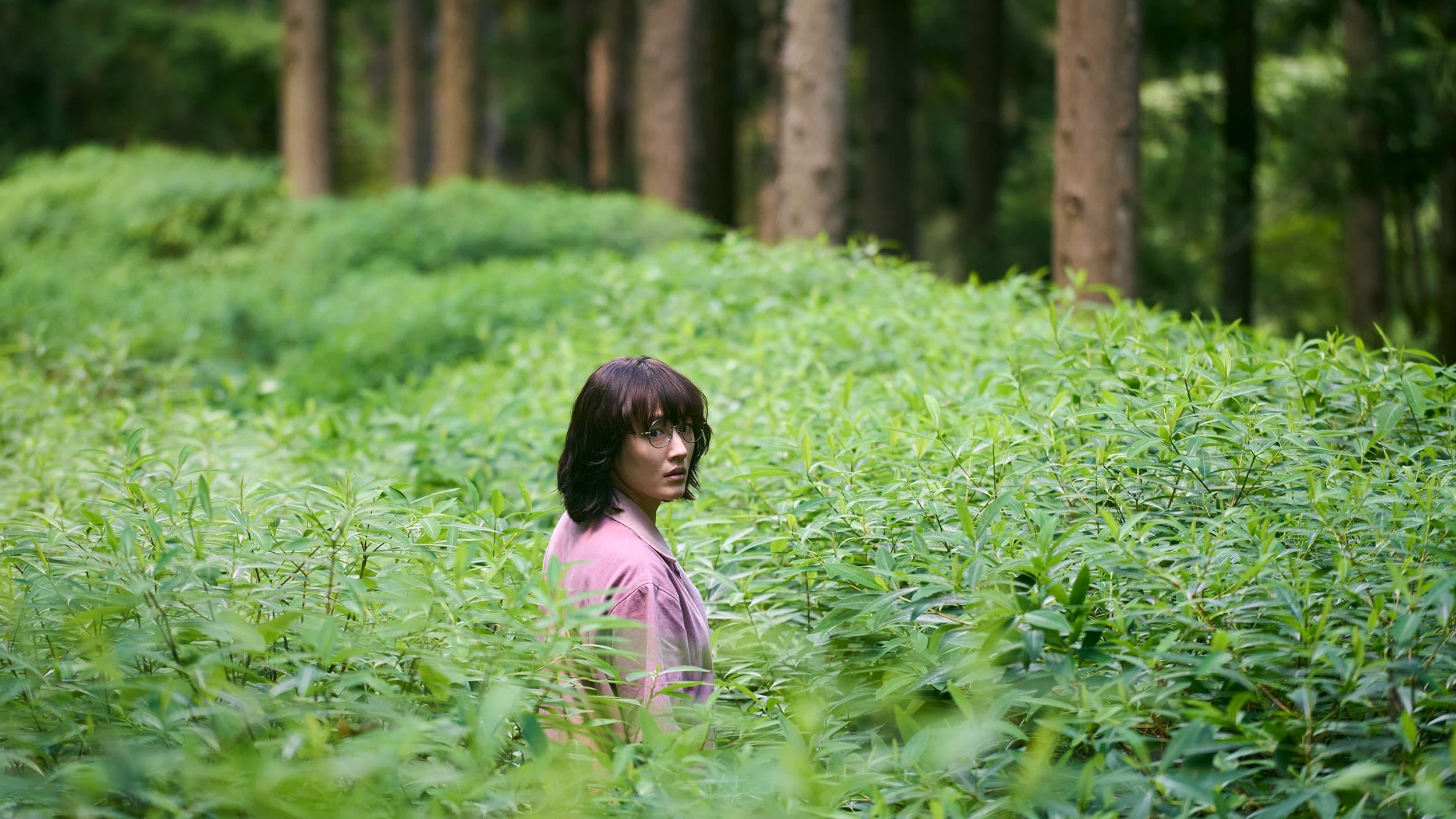
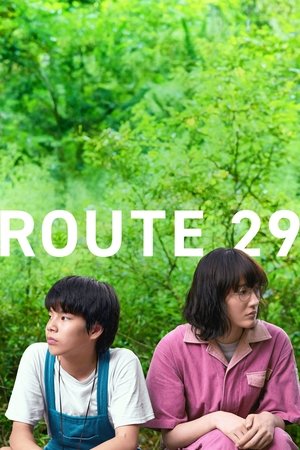


Adapted from a book of poems by poet Taichi Nakao, the film is a road story set in beautiful nature and tranquil landscapes about a lonely janitor who doesn't communicate well and Haru, a teenage girl who is different, who travels on Route 29, which connects Hyogo-Himeji City to Tottori City, and through their encounters with marvelous people, they gain a richness of feelings, strengthen their bonds, and become fulfilled in their hearts.
"Abominable" is an exciting story for children and a great step forward for positive Asian representation.
Over the last several years, I have had the privilege of being one of the critics having the opportunity to watch and review several films from writer/director/producer Marcellus Cox, whose efforts are never anything less but grounded, relevant, and steeped in unflinching glimpses illustrating the gripping, inspired, and ever-vacillating realms that make up the human condition.
Animation as a medium of storytelling can be thought to be open to all ages and as I hope my reading will reveal, 'Nimona' could be interpreted as a transgender story.
The Vietnamese perspective is not only completely ignored in 'The Greatest Beer Run Ever', but it is blatantly whitewashed and disrespected.
It’s hard to capture the emotions and thoughts of a character just from a few shots, but Oscar-nominee composer Micachu's haunting melodies prove otherwise in 'Jackie'.
What makes a person different, and who is considered normal? Based on a true story, The Unbreakable Boy follows the life of Austin LeRette, a young boy with autism and osteogenesis imperfecta, as he navigates daily life with optimism and resilience.