





The precarious representations in One Battle After Another
A bumpy journey about revolution and family makes us feel fear, disgust, humor, and satisfaction.
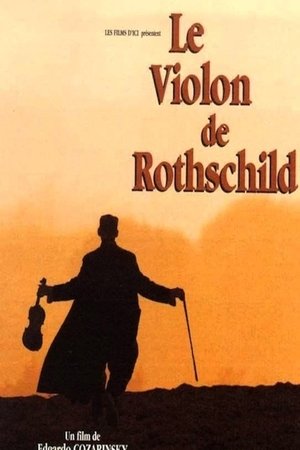


1938: Shostakovich encourages his pupil Fleischmann to write an opera based on the Chekhov story 'Rothschild's violin'. Fleischmann is killed during the siege of Leningrad. Shostakovich completes the orchestration, but in 1948 is advised to suppress the opera, during Stalin's campaign against "rootless cosmopolitans". Jewish motifs enter Shostakovich's own work.
A bumpy journey about revolution and family makes us feel fear, disgust, humor, and satisfaction.
If you were to watch it on streaming when you have nothing to do, it’s still probably a giant waste of time, but you could do far worse. Paying $18 for a movie ticket and who knows how much for concessions turns this from an exercise in boredom to an exercise in frustration.
What seems like such a simple story of survival is so much more than that—it’s a story of family, and of war, and of destruction. It’s painful to watch, but not in a bad way. It makes its audience reflect on their own actions, and in how they are complicit in the sufferings of others as the adults in this film are. Grave of the Fireflies does not hold back from being heartbreaking, and it shouldn’t. It tells a message that needs to be heard decades after the war, and a story that cannot be forgotten by history.
A recent look at gender and racial diversity in film shows some signs of progress. However, white men still make up the vast majority of actors and directors in top-grossing films.
In ‘The Owl House’ protagonist Luz Noceda stumbles across a portal to another dimension where magic exists, called The Boiling Isles.
The iconic title character stars in her own horror and gothic TV series.