What is "Bugonia" Actually Trying to Say?
The film seems like an extreme interpretation of the conspiracy theorists that exist in real life. And then, there’s the twist.
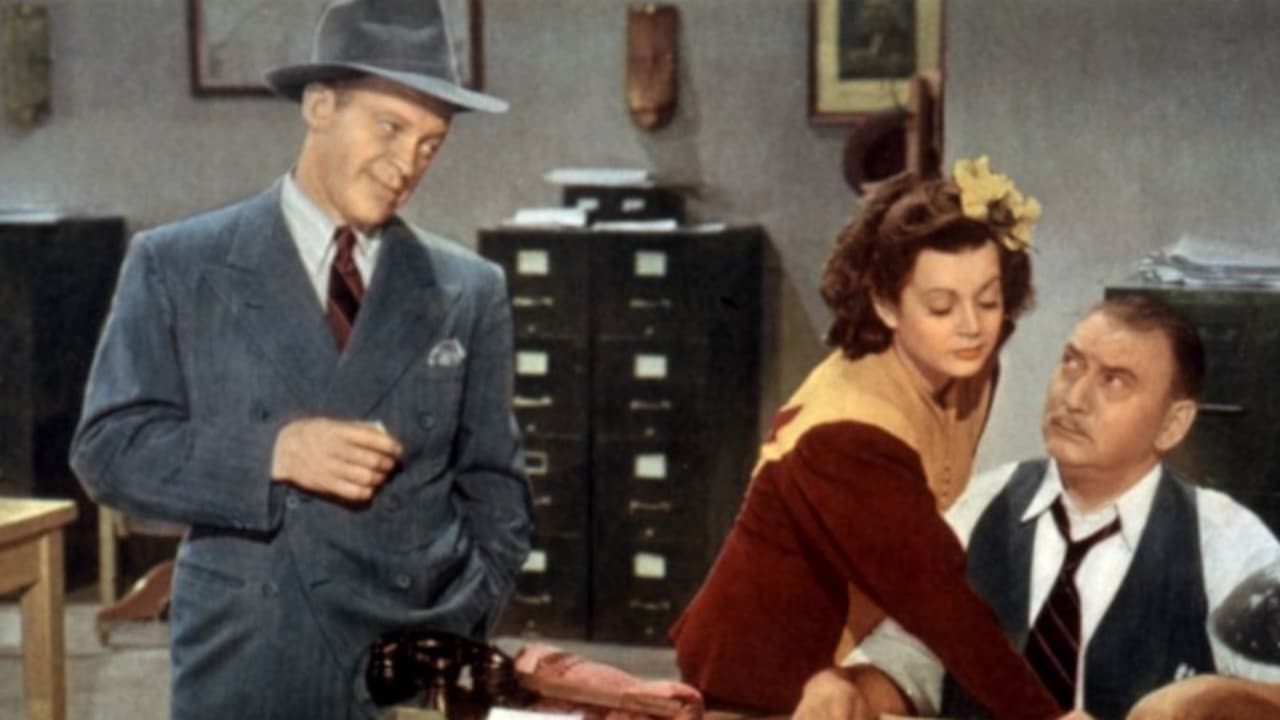
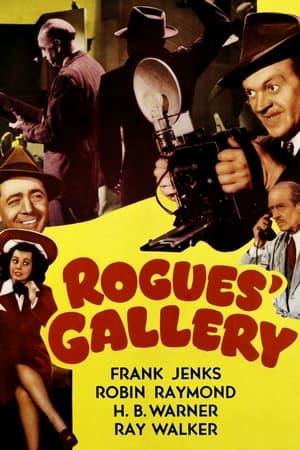


Reporter Patsy Reynolds and photographer Eddie Porter are assigned to interview John Foster, head of the Emmerson Foundation regarding a listening device the organization is working on. Foster evades them and they to the lab to see Professor Reynolds, the real inventor. Soon, they are involved in several shootings, blueprints that change hands several times, a corpse in their car that appears and disappears a few times, the loss of their jobs and several people who either think they are killers or candidates for being killed.
Albert Herman
Director

Frank Jenks
Eddie Porter

Robin Raymond
Patsy Clark
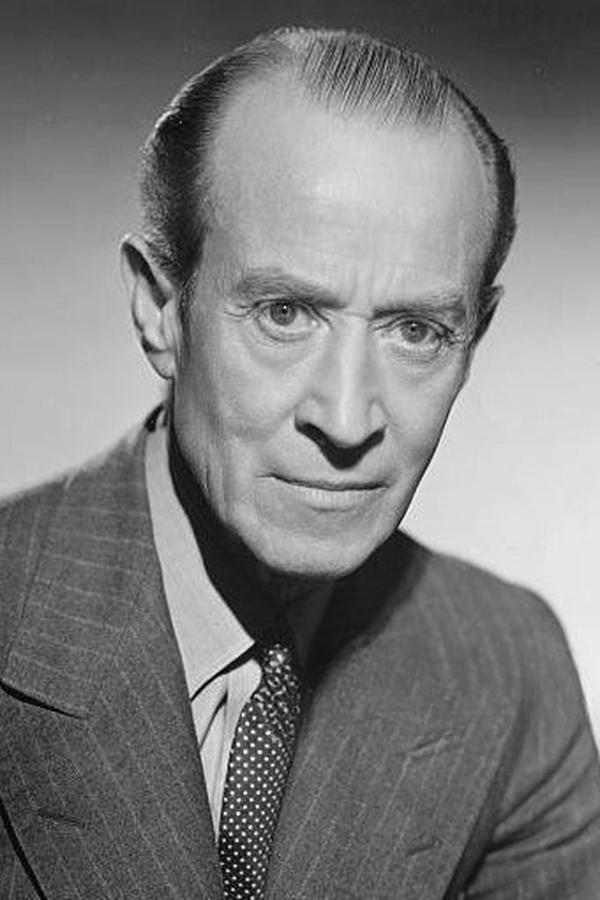
H.B. Warner
Professor Reynolds
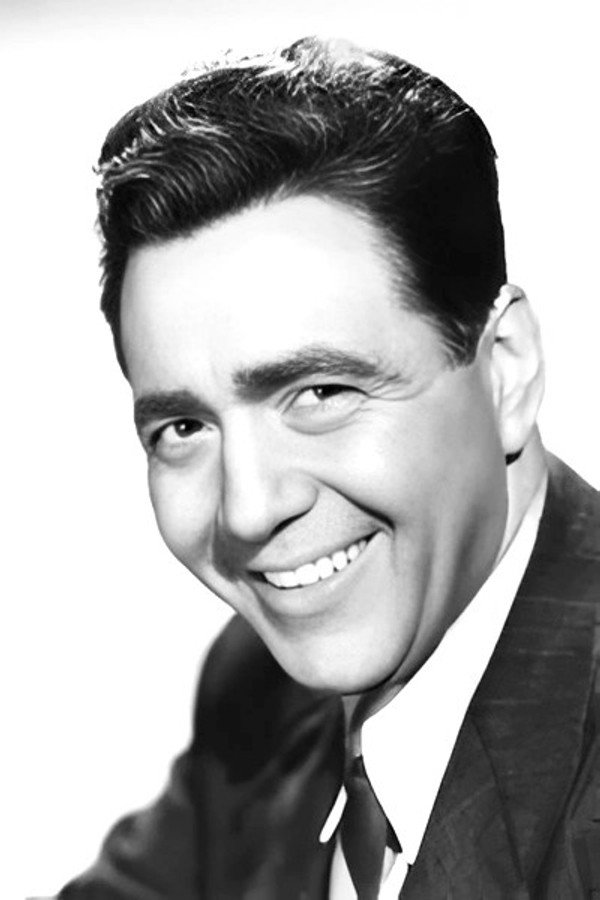
Ray Walker
Jimmie Foster

Davison Clark
John Foster
Robert Homans
Police Lieutenant Daniel O'Day (as Bob Homans)
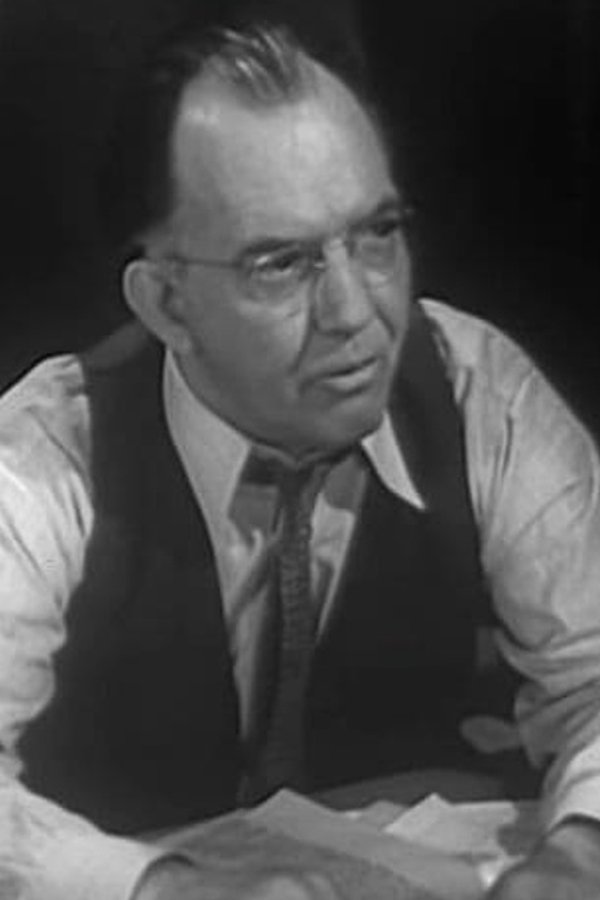
Milton Kibbee
Wheeler

Frank McGlynn Sr.
Blake
Pat Gleason
Red
Edward Keane
Gentry
Earle S. Dewey
Eddie Griffith
The film seems like an extreme interpretation of the conspiracy theorists that exist in real life. And then, there’s the twist.
The Gates, John Burr’s new thriller film, is a disturbingly realistic portrayal of three Black twenty-somethings - Derek (Mason Gooding), Kevin (Algee Smith), and Tyon (Keith Powers), as they accidentally take a wrong turn into a gated community that’s more like a modern-day sundown town. The three friends witness a variety of crimes in their new surroundings, including an attempted homicide and an attempted rape. As they attempt to alert the authorities and do the right thing, they are thwarted at every turn by the worst horror stories of American conservatism - racist white suburbanites, reckless gun violence, corrupt police, religious mania, and a megalomaniacal pastor.
Why did Māhū, a term once respected in Hawaiian culture, become so controversial?
Stevan Lee Mraovitch’s film is a beautiful tribute to family, found family, and the lengths people will go to support their loved ones.
It is the attention to detail that makes Wolfwalkers resonate more than Luca for Queer representation