









'Kizazi Moto: Generation Fire' - Mhkuzi: The Spirit Racer
The second episode of the highly anticipated Afrofuturism series delivers with a high-speed race teaching us to go far beyond just accepting ourselves.
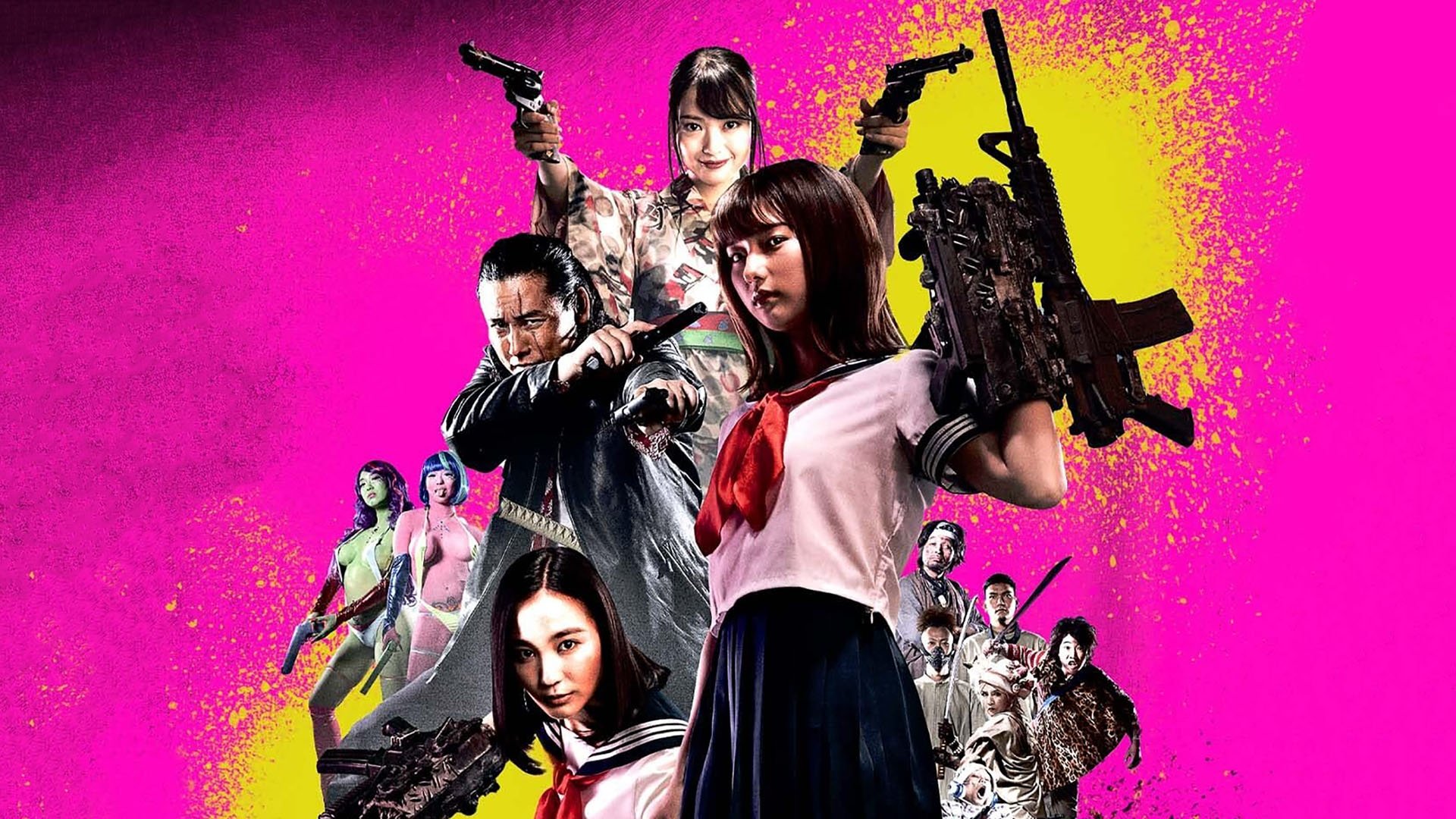
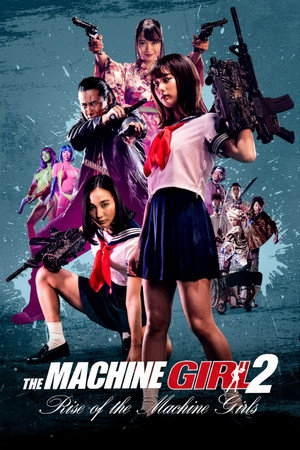


Living in the lawless Ishinari District in a future Japan, sisters Ami (Hina Nagimiya) and Yoshie (Hanakage Kanon) who sold their bodies to help their parents, try to earn a living performing as an idol group in the area. When their performance causes stranger Matsukata (Tak Sakaguchi) a notorious hitman, to notice their condition, the three realize their worth to each other in the fight against Aoyama Dharma (Kimono Negishi), the female boss of a notorious organ harvesting ring in the area. Realizing that even their skills are no match for her army of goons and henchmen, the two are outfitted with special homemade weaponry to their bodies and become the ultimate killers.
The second episode of the highly anticipated Afrofuturism series delivers with a high-speed race teaching us to go far beyond just accepting ourselves.
For many people, Disney+’s debut show, The Mandalorian, was a breath of fresh air for the Star Wars universe. The Disney Gallery shows audiences how that show came to be.
There’s been a longstanding criticism of sci-fi films about its lack of Black characters. For the past few years, Anthony Mackie has been successfully representing Black masculinity in the otherwise homogenous genre and I am here for it.
So with the recent (rightful) public apologies to Britney from comedians and media for trashing her image in the 2000s, perhaps some people should also give Crossroads the fair chance it deserves. It won't be everyone's cup of tea, and that is fine. Personally, I will take my girl Britney and her movie, over the next testosterone "Dude Flick" any day.
A young woman finds herself trapped in a crossfire of awkwardness during a nightmarish dinner party with her boyfriend's dysfunctional family.