







“Disclosure Day” and Anthropocentrism
Disclosure Day asks us to question humanity's role in the universe but falls victim to the same assumptions of centrality.
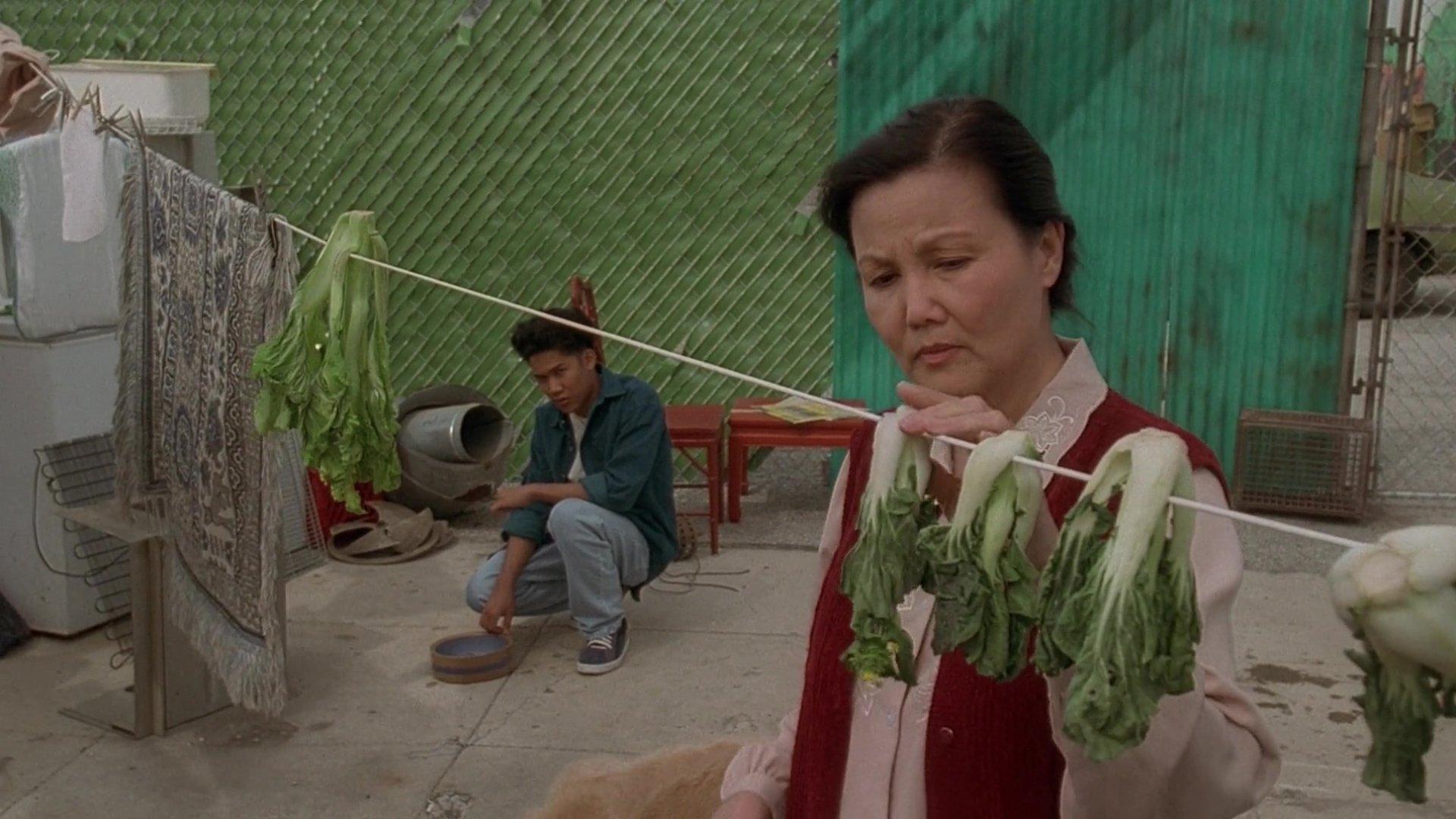
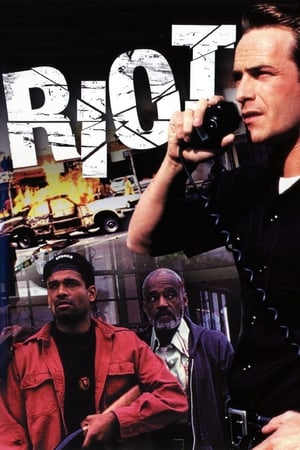


In April 1992, following the notorious Rodney King verdict, the streets of Los Angeles became a battlefield, the backdrop to four personal intertwined stories.
Disclosure Day asks us to question humanity's role in the universe but falls victim to the same assumptions of centrality.
The problem isn’t that it’s bad. It's good. But it fails to stand out from a crowd of similar films.
This delightfully odd horror movie presents a whimsically strange alternate reality to younger audiences.
A group of criminal animals tries their best to reform themselves into good citizens to avoid serving time in prison.
The French-born director Laure de Clermont-Tonnerre’s strategic choice to entrust the interpretation of a conventional, feminine character to a non-binary actor pays off: Corrin’s Lady Chatterley is awkward, edgy, and uninhibited at the same time.