Incluvie – Better diversity in movies.
Identity in film with Incluvie stamps, scores, reviews.

Incluvie – Better diversity in movies.
Explore identity in film with Incluvie stamps, scores, reviews, and insights.

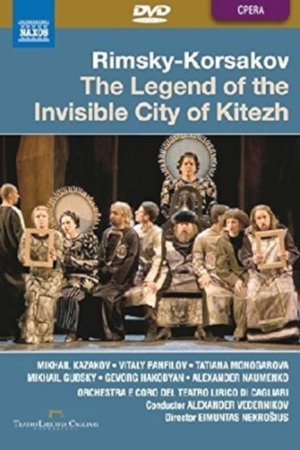
Rimsky-Korsakov: The Legend of the Invisible City Of Kitezh poster

Rimsky-Korsakov: The Legend of the Invisible City Of Kitezh 

The Invisible City of Kitezh, completed in 1905, is a remarkable opera that fuses folklore, mysticism and realism. Its subject is the story of the advancing Mongol army's entry to Great Kitezh and the city's subsequent miraculous survival. Rejecting archaisms and the more religiously inclined suggestions of his librettist, Rimsky-Korsakov sought to create an opera that 'is contemporary and even fairly advanced'. It is therefore through-composed, hinting at times at Wagnerian procedure, and flooded with the composer's rich, apt and brilliant orchestral palette, fully supportive of the powerful vocal writing.
- / 5
PopScore
Representation

Pictures and Videos


Incluvie Gala

Movie Information


The Invisible City of Kitezh, completed in 1905, is a remarkable opera that fuses folklore, mysticism and realism. Its subject is the story of the advancing Mongol army's entry to Great Kitezh and the city's subsequent miraculous survival. Rejecting archaisms and the more religiously inclined suggestions of his librettist, Rimsky-Korsakov sought to create an opera that 'is contemporary and even fairly advanced'. It is therefore through-composed, hinting at times at Wagnerian procedure, and flooded with the composer's rich, apt and brilliant orchestral palette, fully supportive of the powerful vocal writing.

Rating:
Genre:Music
Written By:
In Theaters:
Box Office:

Runtime:187 minutes
Studio:

Articles You May Like


"Him" (2025) Film Review-The realities of making the grade in professional sports gets a cultism-driven, horror film makeover

"WHAT ARE YOU WILLING TO SACRIFICE?!!!!" "EVERYTHING!!!!!" This is but one of a multitude of highly emphatic questions, and subsequent answers, being asked in the newest feature film from one of the current masters of horror, Jordan Peele ("Get Out", "Us" and "Nope"). I must give Peele credit in that he continues to push the boundaries of specific genres and their associated tropes in order to provide what ends up amounting to subtly then jarringly intense, yet still character and story-driven, cinema that speaks more to indie stylings than mainstream.

Kirk Fernwood