








Joyfully Chaotic, 'Why Don't You Play in Hell?' is a Must-See
If you enjoy Japanese cinema, absurdly violent action films, gangster flicks, or joyfully strange cinema, 'Why Don’t You Play in Hell?' is a must-see.
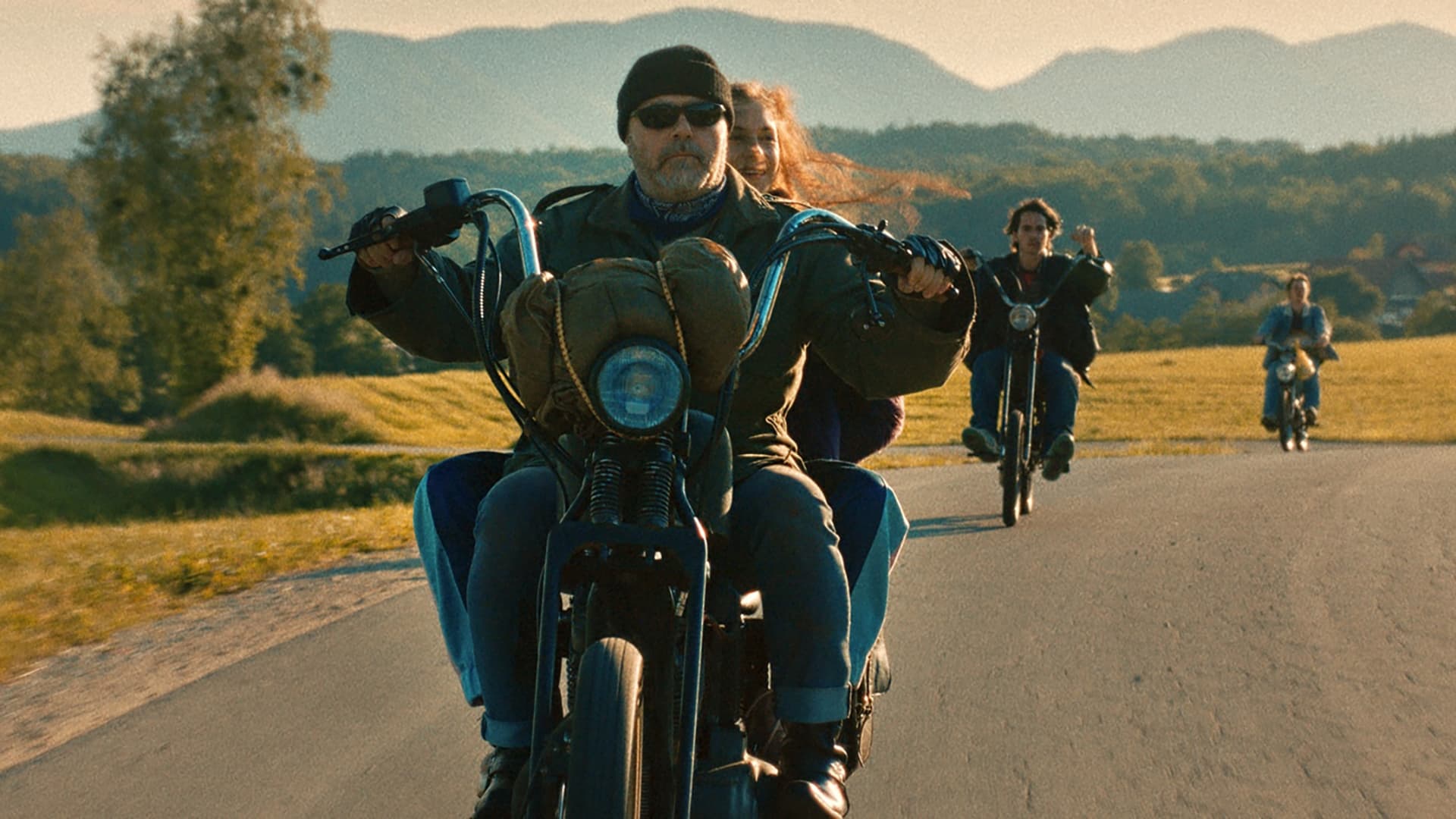



Slovenia, the spring of 1999. Two friends from a small village decide to transform their mopeds into choppers and embark on a journey. Looking for freedom and love, they travel through dreams of the past and visions of the future. Driven by mad impulses and haunted by the conservative moulds of traditions, they start believing and understanding things previously unimaginable. On the road through Slovenia and Croatia - two countries that have just recently seceded from Yugoslavia - they are accompanied by a young runaway woman with a mysterious past and an old biker who has seen the world in search of freedom but has still not found it. They challenge themselves and each other through shared experiences, severing their ties with and conceptions of the old and thus making way for the new.
If you enjoy Japanese cinema, absurdly violent action films, gangster flicks, or joyfully strange cinema, 'Why Don’t You Play in Hell?' is a must-see.
"Up" features one of Pixar's few Asian-American heroes and explores the institutionalized hardships elderly people face. Also, Dug is a good boy.
YouTube surpasses Netflix but there is more to the story.
This coming-of-age movie discusses immigration issues in the United States through the eyes of two exchange students in Brazil.
A Girl Walks Home Alone At Night, though its feminism may be unintentional, cannot exist without its focus on women reclaiming power. The movie is feminist by definition, even if Amirpour didn’t write it with that in mind. A Girl Walks Home Alone At Night is mesmerizing, poetic, and stunning, both for its portrayal of feminist ideas and its powerful story that is both horrific and subtly romantic at once.