
Restoring Hope
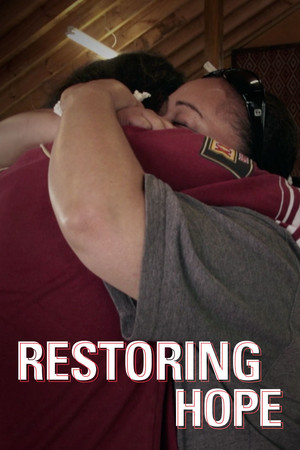
This often confronting documentary observes a Māori restorative justice model through the eyes of straight-talking Mike Hinton, manager of Restorative Justice at Manukau Urban Māori Authority. The bringing together of victims (including wider whānau) and offenders may offer an alternate way forward for "a criminal justice system failing too many and costing too much”. Restoring Hope kicked off Māori Television’s 2013 season of Sunday night documentaries. In a Herald On Sunday preview, Sarah Lang argued it was “enough to restore hope in local documentary-making.” I’m in an arena where people have high emotions, they get stressed and pressured. I’m reasonably confident that I can avoid situations where I’ll be unsafe. I don’t have any death wish — I’ve got a game of golf tomorrow. – Mike Hinton, on the dangers of the job

- / 5
PopScore
Representation
Pictures and Videos

Movie Information
This often confronting documentary observes a Māori restorative justice model through the eyes of straight-talking Mike Hinton, manager of Restorative Justice at Manukau Urban Māori Authority. The bringing together of victims (including wider whānau) and offenders may offer an alternate way forward for "a criminal justice system failing too many and costing too much”. Restoring Hope kicked off Māori Television’s 2013 season of Sunday night documentaries. In a Herald On Sunday preview, Sarah Lang argued it was “enough to restore hope in local documentary-making.” I’m in an arena where people have high emotions, they get stressed and pressured. I’m reasonably confident that I can avoid situations where I’ll be unsafe. I don’t have any death wish — I’ve got a game of golf tomorrow. – Mike Hinton, on the dangers of the job
Rating:
Genre:Documentary
Written By:
In Theaters:
Box Office:
Runtime:52 minutes
Studio:Notable Pictures
Cast

Articles You May Like
A 25-Year Ode to Frances McDormand and 'Fargo'
It’s easy to dismiss Joel and Ethan Coen for writing from the world they build from outside the box of overarching Hollywood stereotypes, but their inability to compromise their collective vision is precisely what makes the simplistic nature of their world-building and characters so brilliant. It’s also what led Fargo to collect seven Oscar nominations and two wins for Best Original Screenplay and Best Actress for Frances McDormand’s brilliant portrayal of the sincere, motherly detective whose wholesome demeanor seizes the day over the selfishness, corruption and evil of the men who don’t comprehend that there’s more to life than a little money.
I Was a “Teenage Sex and Death at Camp Miasma”
If you identify as part of the queer community, or if you love old school slasher flicks, you will love this movie.
Joanelle Romero Discusses Native Indigenous Representation
I have talked with founder of Red Nation Television Network, Joanelle Romero, and the future of Indigenous representation looks bright.
'Swan Song' is a Scattered But Sincere Story of Small-Town Redemption
Udo Kier takes center spotlight in 'Swan Song' as Pat Pitsenbarger, a gay beautician who comes out of retirement for one last job and rediscovers himself along the way.
'Fair Play'(2023) and Feminine Rage
This thrilling film about feminine rage and male hostility is an incredible depiction of the fragility of the male ego.