







“Bury Your Gays” Trope in TV and How “Wynonna Earp” Defies it
I think that the happiness and survival of "Wynonna Earp"’s LGBTQ+ characters is incredibly refreshing in contrast to the prevalence of queer suffering and death in other television.

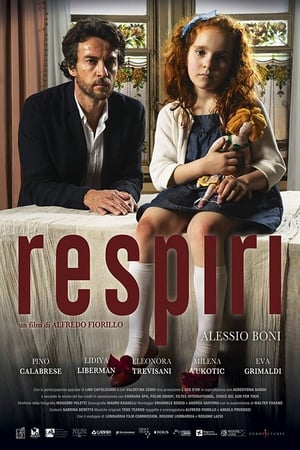


Francis, a forty year old engineer, after a mysterious disgrace he retired to live in a village on Lake Iseo. With still little daughter occupies the former family villa, a magnificent Art Nouveau building on the lake shore. In the big house there is, however, another mysterious person, of which only perceives the echo of the respirator that keeps her alive. But other presences no less disturbing, and certainly more dangerous, they move around the villa. What happened to the man and his family? What secrets hide? Marta will know, childhood friend always in love with him, awaken Francis from the torpor in which he has fallen, and free him from the pain? And most importantly, how many succeed they gravitate around the house to escape the danger that threatens their lives? Breaths tells how the pain can profoundly transform a man crushed by memories, guilt, fears. He also wants to show the extent to which an individual is able to accept the existence paths without being a victim.
I think that the happiness and survival of "Wynonna Earp"’s LGBTQ+ characters is incredibly refreshing in contrast to the prevalence of queer suffering and death in other television.
It’s fun, it’s energetic, but it’s also understated and vicarial. Zola is a modern black fairytale and future of black movies.
Wanda and Vision are suffering under the stress of parenting their twin boys.
Spoiler Warning
A simple question often sparks intense debate. Incluvie attempts a working definition for the beloved horror genre.
This live-action Barbie movie brings strong feminism and topics about blondes.