


Kill Bill Volume 2 Review: A Worthy Sequel With Hidden Depths
I highly recommend Kill Bill: Volume 2. In classic Tarantino fashion, specific sections of the film are a tad too long, but overall, it’s a wonderful piece of escapist fiction.
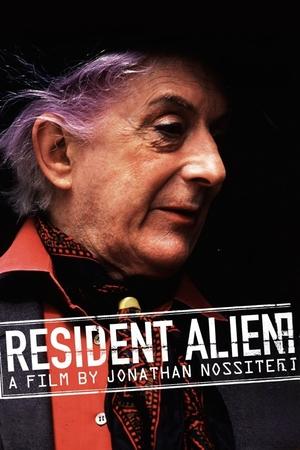


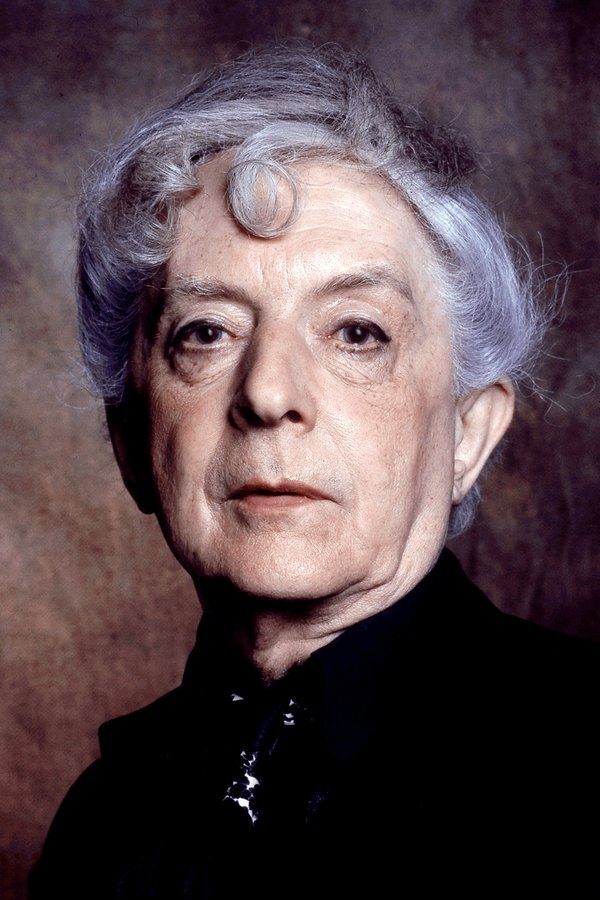
At age 73, writer and melancholy master of the bon mot, Quentin Crisp (1908-1999), became an Englishman in New York. Nossiter's camera follows Crisp about the streets of Manhattan, where Crisp seems very much at home, wearing eye shadow, appearing on a makeshift stage, making and repeating wry observations, talking to John Hurt (who played Crisp in the autobiographical TV movie, "The Naked Civil Servant"), and dining with friends. Others who know Crisp comment on him, on his life as an openly gay man with an effeminate manner, and on his place in the history of gays' social struggle. The portrait that emerges is of one wit and of suffering.
I highly recommend Kill Bill: Volume 2. In classic Tarantino fashion, specific sections of the film are a tad too long, but overall, it’s a wonderful piece of escapist fiction.
Adventure Time, Legend of Korra, Steven Universe, The Loud House, The Hollow, OK-K.O.! Let’s Be Heroes, The Dragon Prince, etc!
A homeless girl faces depression and uncertainty during the holidays.
Ultimately the problem with The Bubble is that it plays everything for laughs to get around the audience’s defenses. But it comes off like a privileged white male thinking that ridiculing everyone else equally is the road to equality. And it’s not. And it's definitely not funny to pretend that it is.
Marvel’s first Asian superhero film, 'Shang-Chi', deserves praise for balancing epic superhero action, a heartfelt family plot, and positive Asian representation.
Desi Arnaz was an innovator in television and Lucille Ball was a sketch comedy clairvoyant of sorts; 'Being the Ricardos' focuses on their genius as a couple, but shies away from the interracial aspect of their marriage.