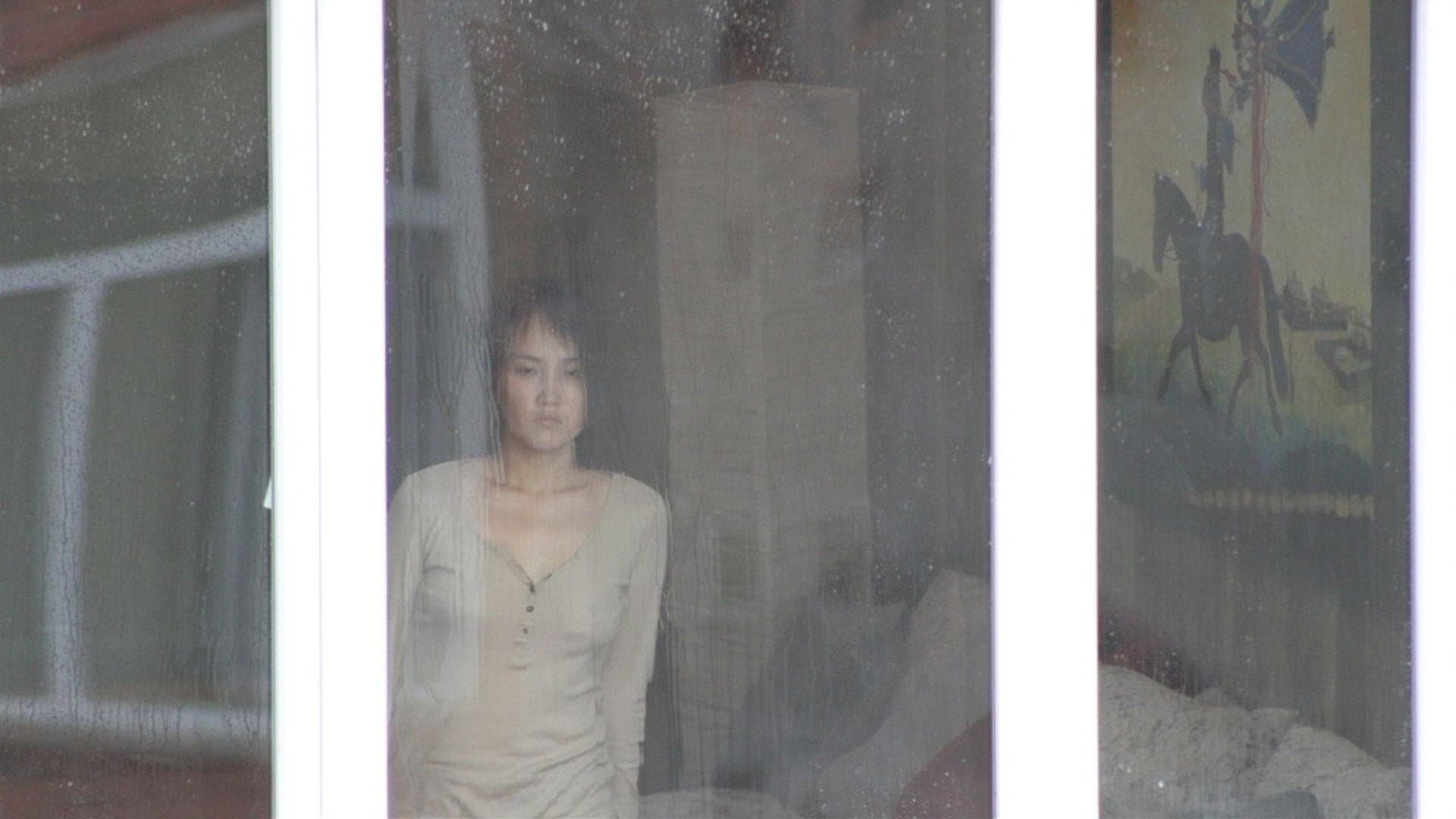




Teenage boy Tsog lives in the slums outside Ulan Bator. He sells milk from his neighbor to support his family, with whom he frequently quarrels. The flight of his imagination is Tsog's only solace— he spends hours drawing his hero, a young monk. After a fight with his parents Tsog takes off to the city, where he settles on the roof of an apartment building. From this new vantage point he spots a beautiful but troubled young woman inhabiting a nearby penthouse. Seeking to intertwine their fates— to bridge the gap between their social, economic, and spiritual conditions— Tsog steals a remote which he uses to control the young woman's television set.
“Candyman ain't a 'he.’ Candyman is the whole damn hive." Candyman represents all Black victims of white supremacy, and this art form narratively conveys it in a succinct, adulatory way, the history of which is rare to find.
The film reminds us to remember the people who had the courage and dignity that had made the world better, even when the memory was absent.
That gut-wrenching feeling you have while watching it is okay but needed, and you, the viewer, will be okay.
It’s almost the end of the first month of 2021, and just over a week since the U.S. saw a new president take office. In light of the occasion, some of us highlighted our favorite political films below!
The Season 3 finale overall upholds everything that Incluvie is primarily concerned about when it comes to media content