

The Haunted Mansion (2023)
This Halloween movie is a remake of the 2003 movie of the same name with Black representation.
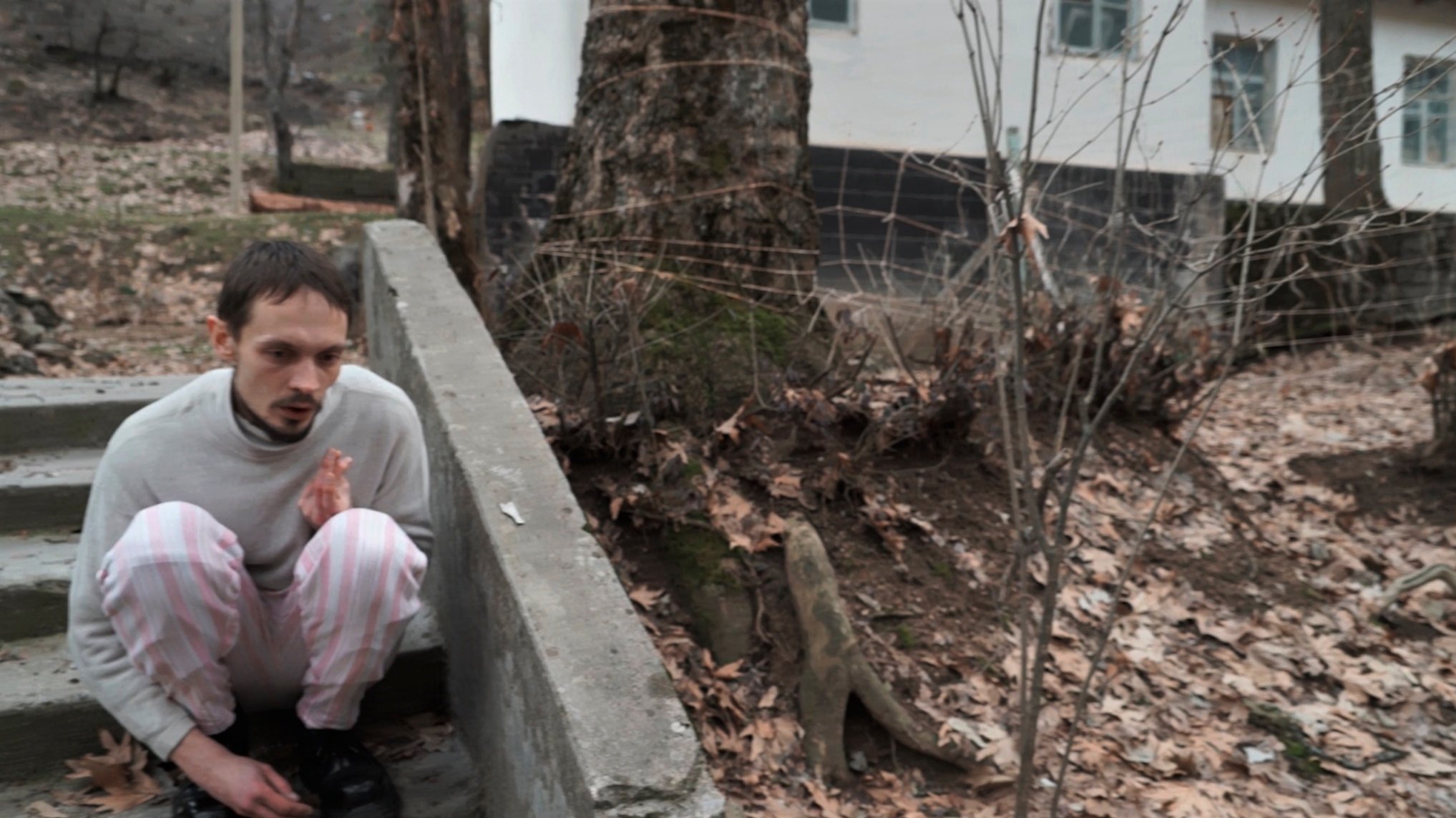
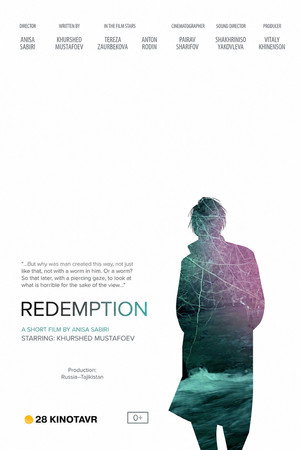


A remote corner in the kingdom of nature is the ideal place for reflections about the meaning of life and the hero’s role in this world: this hero is Rodion Raskolnikov. His tactile and sincere communication with the current of the water in the clear mountain river seems to turn to the Koranic question on man’s original matter – the transparent liquid with which Raskolnikov tries to wash his face whilst dirtying himself. Water is the ‘mirror’ in which the hero sees himself, set against the issue of the ‘superflu- ous man’ and his own destination. Is he a worm? Is this worm disgusting?” – Raskol- nikov asks his reflection. The internal experiences, along with visions of the caring Sonya singing him a lullaby – are an invented reality into which Rodion has escaped, but he is forced to return to the former world, where things are not as they seemed...
This Halloween movie is a remake of the 2003 movie of the same name with Black representation.
This fantasy movie released on Disney+ has strong topics and themes related to magic.
As I typed this, Chris Evans was being “cancelled” on Twitter. I did a little research on this since I always thought Chris Evans was well-received. It turns out the backlash is because of a white savior movie he made called Red Sea Diving Resort.
Hokum is an enjoyable horror film that will probably get a little under your skin, but it isn’t the tour de force that you might be expecting.
Although bogged down by a slow pace and moralistic intent, ‘Deadly Garage Sale’ (2022) makes the most of its silly and nonsensical premise.
Produced by Vanguard Animation and released on Netflix, this animated fairytale movie has a lot of ironies as the story is told by the prince himself.