A Conversation With the Filmmakers of 'When Men Were Men'
Hours before their line-up of screenings for Trans Awareness Week began, the filmmakers of 'When Men Were Men' chatted with me about the film's personal exploration of masculinity.
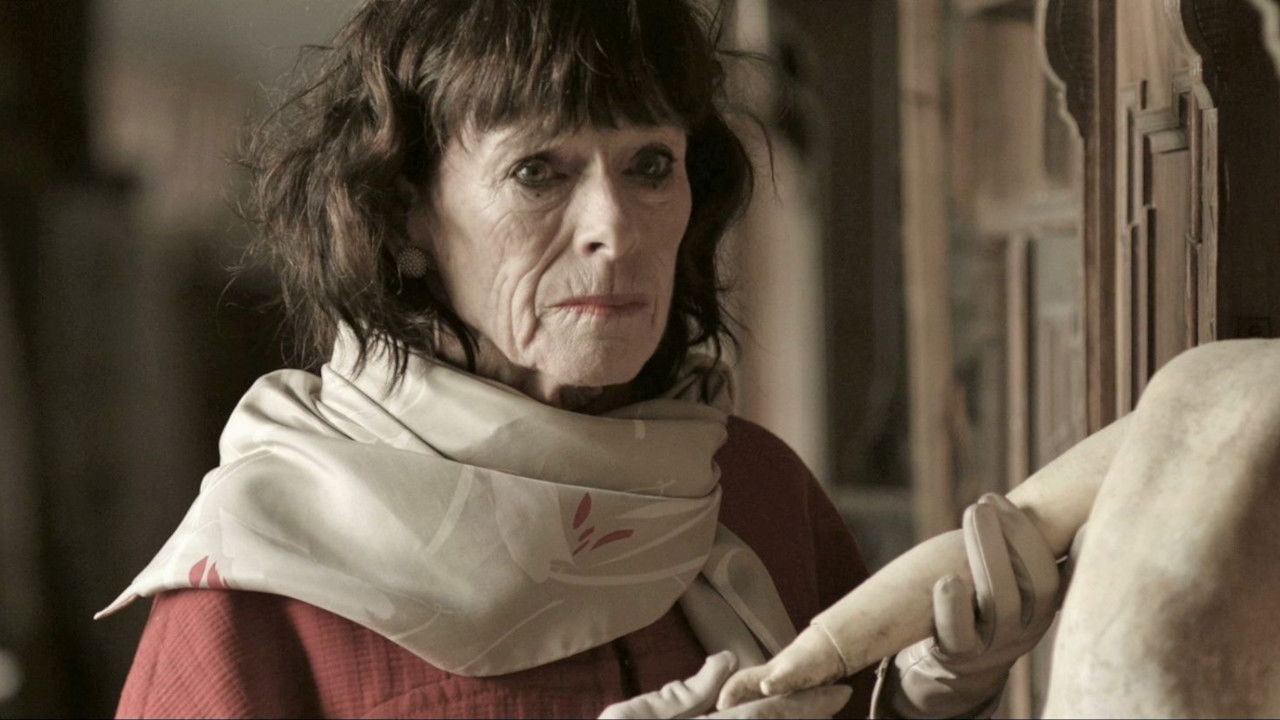
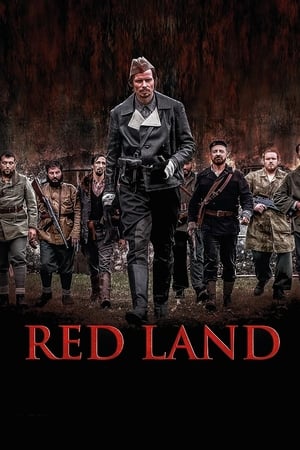


Italy, September 1943. After the armistice and the flight of the King, the war theaters of the North-East see the advance of Tito's partisans. At the center of the story, in this dramatic historical context, the figure of Norma Cossetto, a young Istrian student, barbarously raped, killed and thrown into a foiba by the Tito partisans.

Maximiliano Hernando Bruno
Director


Geraldine Chaplin
Giulia Visantrin

Franco Nero
Professor Ambrosin

Antonio Scarpa
Titino
Maximiliano Hernando Bruno
Giorgio Staniscia

Sandra Ceccarelli
Mother Visantrin

Francesca Amodio
Lucia Visantrìn

Vincenzo Bocciarelli
Mario Bellini
Andrea Pergolesi
Stefano
Romeo Grebenšek
Mate

Eleonora Bolla
Adria Visantrin

Diego Pagotto
Angelo Visantrin
Hours before their line-up of screenings for Trans Awareness Week began, the filmmakers of 'When Men Were Men' chatted with me about the film's personal exploration of masculinity.
At first glance, Black as Night is a strange title choice for a film about vampirism in post-Katrina New Orleans. However, the title alludes to the world's anti-black and colorist messages.
Over the last several years, I have had the privilege of being one of the critics having the opportunity to watch and review several films from writer/director/producer Marcellus Cox, whose efforts are never anything less but grounded, relevant, and steeped in unflinching glimpses illustrating the gripping, inspired, and ever-vacillating realms that make up the human condition.
It is as bad as your remember, and you are fortunate if you've never watched it. Keep it that way!
“Ad Astra” is a film that possesses similar beats to sci-fi classics, falling into the realm of cinematic hypnotism, and pulling us in with its mysteriously intoxicating identity.
A best friend that will stick with you to the end, on a group trip from hell, is someone to die for.