What Netflix’s 'Daredevil' Gets Right and Wrong About Blindness
The "Daredevil" renaissance is finally upon us! As we return to the Netflix show, let's take a look at the ways the show gets blindness right and wrong.
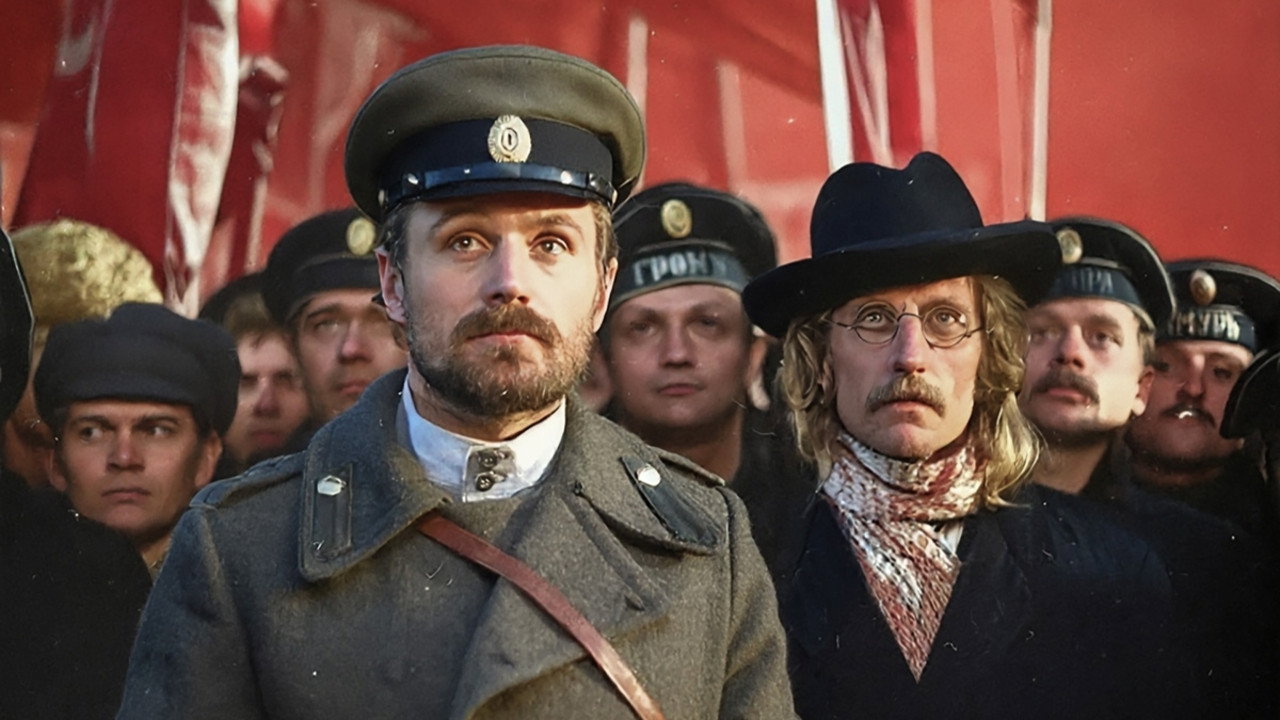
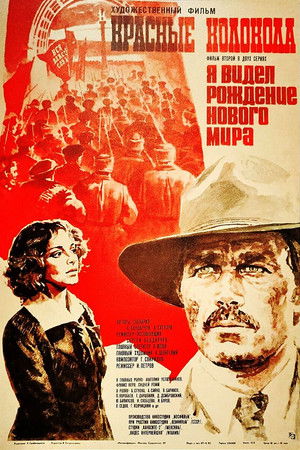


The second part of Soviet filmmaker Sergei Bondarchuk's epic biography of John Reed. It is October 1917 and the American journalist has found himself and his wife, Louise Bryant, in Petrograd on the eve of the Bolshevik revolution.
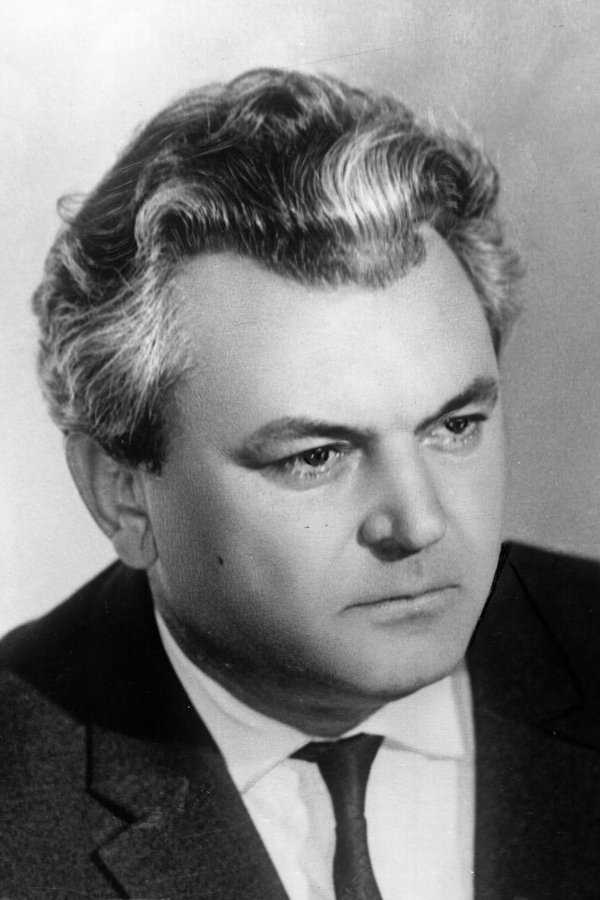
Sergei Bondarchuk
Director

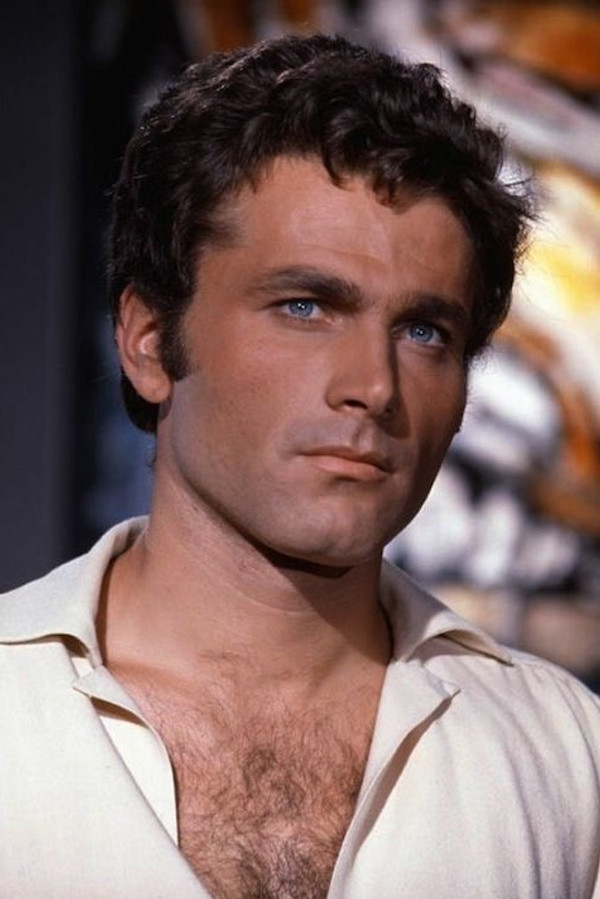
Franco Nero
John Reed
Anatoly Ustyzhaninov
Vladimir Lenin
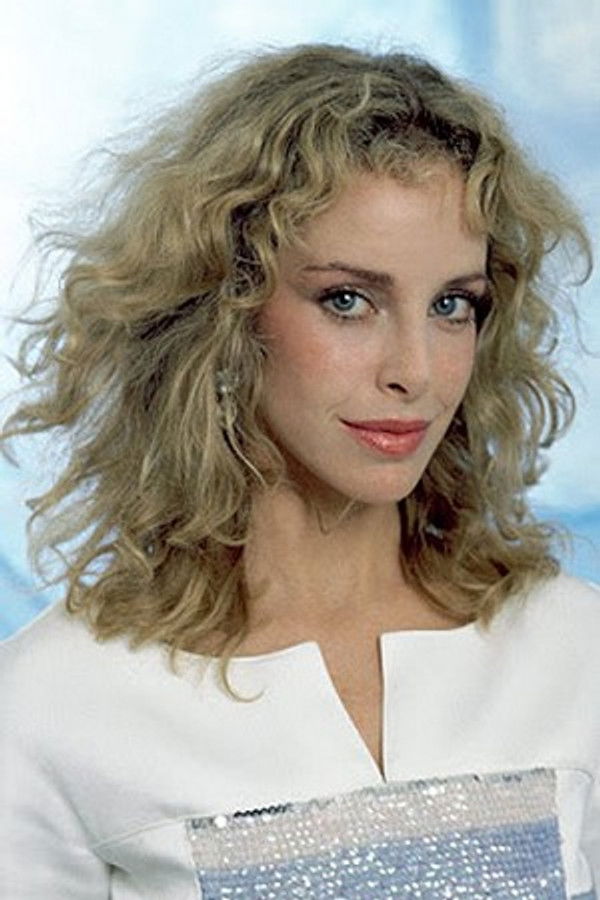
Sydne Rome
Louise Bryant
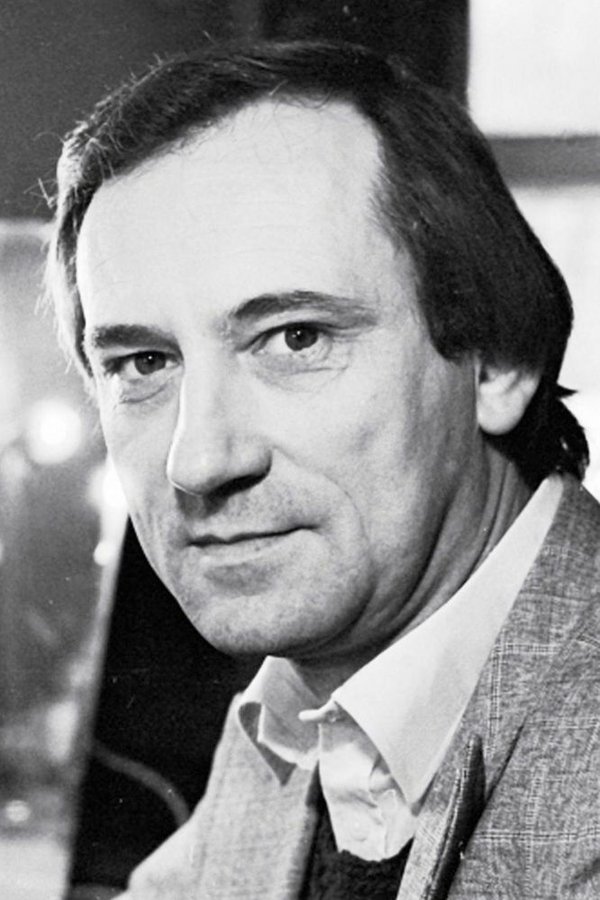
Bohdan Stupka
Alexander Kerensky

Valeriy Barinov
Nikolai Podvoisky
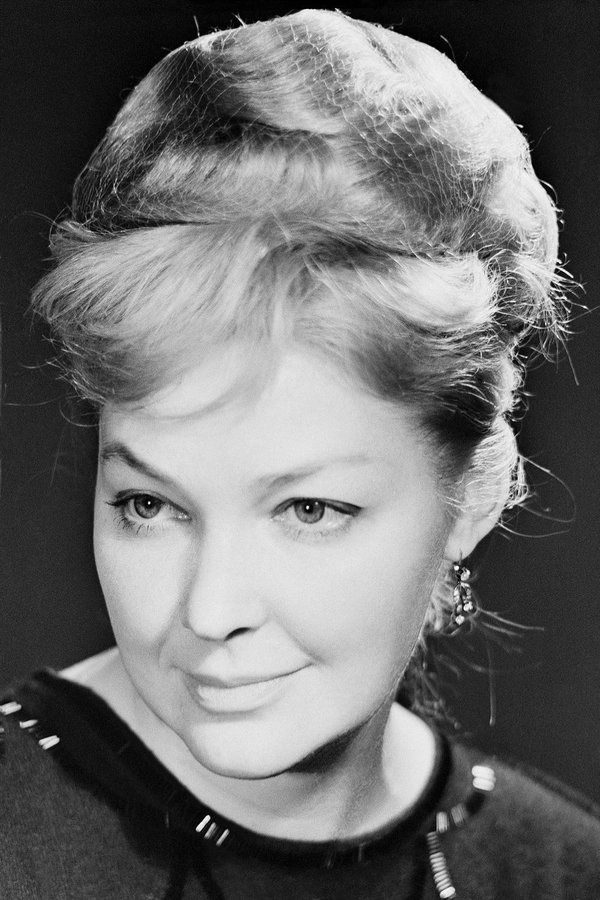
Irina Skobtseva
Countess Panina
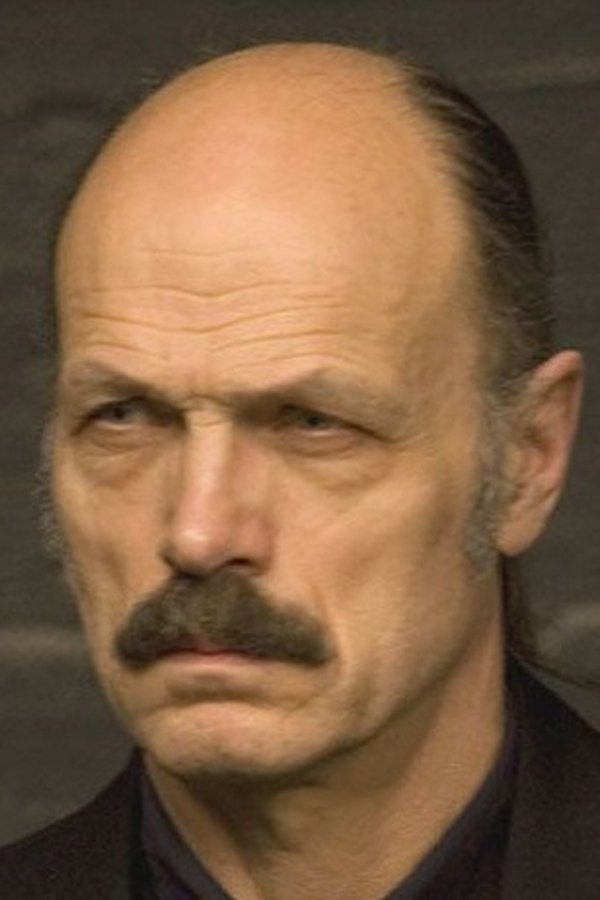
Olegar Fedoro
Colonel Polkovnikov
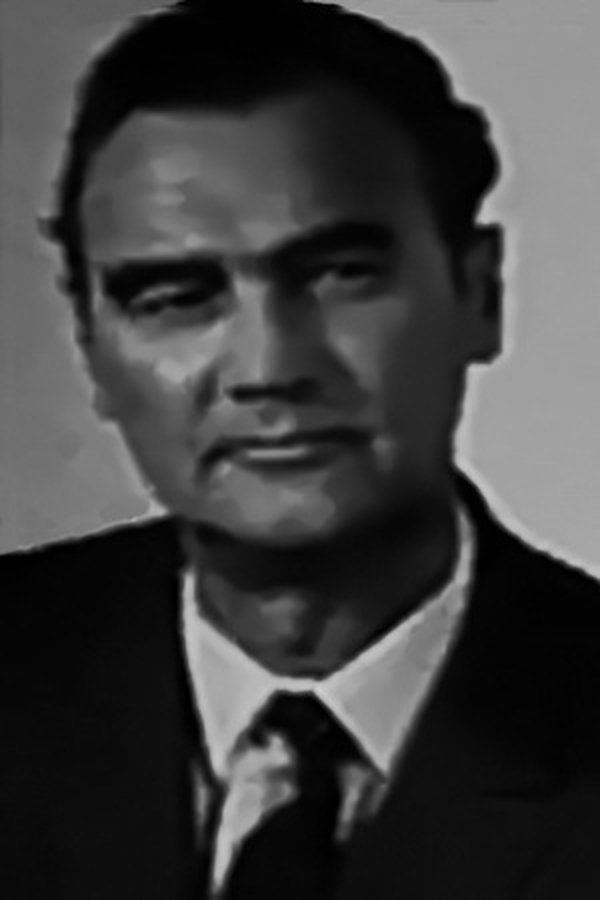
Boris Belyakov
Nikitin

Liliya Gurova
conductor
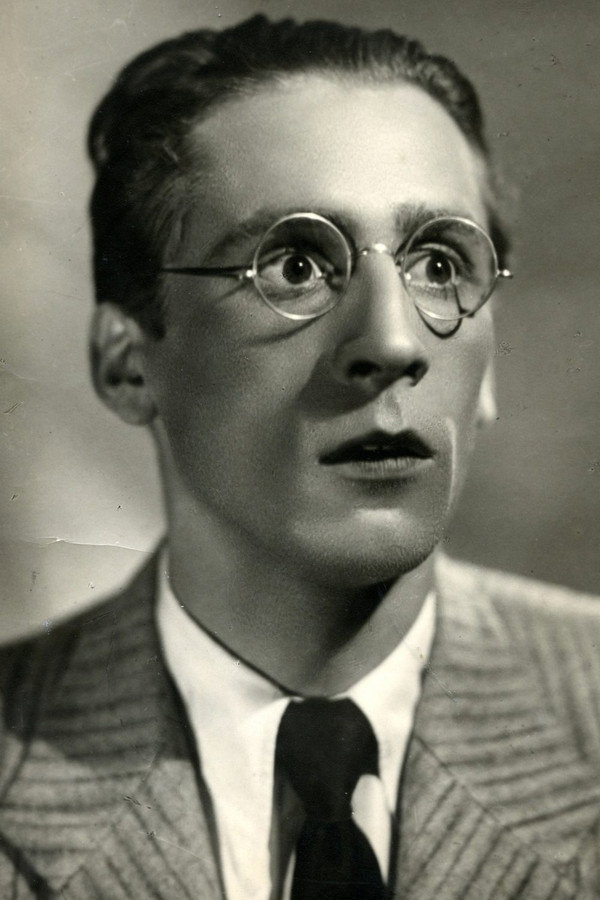
Nikolai Boyarsky
General

Yuriy Sokolov
Eremeev - newspaper employee
The "Daredevil" renaissance is finally upon us! As we return to the Netflix show, let's take a look at the ways the show gets blindness right and wrong.
A tale of legendary hunters and monsters that reminds us once more not to judge a book by its cover. Enjoy this heartwarming sea shanty with a well-done plot twist.
Although Fargo is not actually based on a true story, I do believe it is worth the watch. It has drama, suspense, and a mysterious figure to keep you engaged.
Hanna Bergholm's 'Hatching' shows us that the modern version of the cardboard world trope is social media.
In all honesty, “Black and Blue” is a satisfying experience, complete with solid craftsmanship. With the help of cinematographer Dante Spinotti, Deon Taylor (the director) creates a murky, lived in atmosphere.
In Spike Lee’s She’s Gotta Have It (1986), we follow the love life of powerful female protagonist Nola Darling (Tracy Camilla Johns) and explore the relationship dynamics she has with her partners. She sees three men simultaneously: Greer Childs, (John Canada Terrell) Mars Blackmon (Spike Lee), and Jamie Overstreet (Tommy Redmond Hicks). Though an 80’s film, She’s Gotta Have It is surprisingly progressive with its themes of female sexuality, although at some points in the film it is handled clumsily. Overall Nola is an incredibly compelling character especially for modern women, as we as a society acknowledge female sensuality more and more without the negative stigma.