


'Tár' — The Monster's Side of Paradise
A film for the post-MeToo era that inverts the narrative with an ironic coda, Tár depicts the duality of a sensitive artist capable of great evil and vile manipulation.

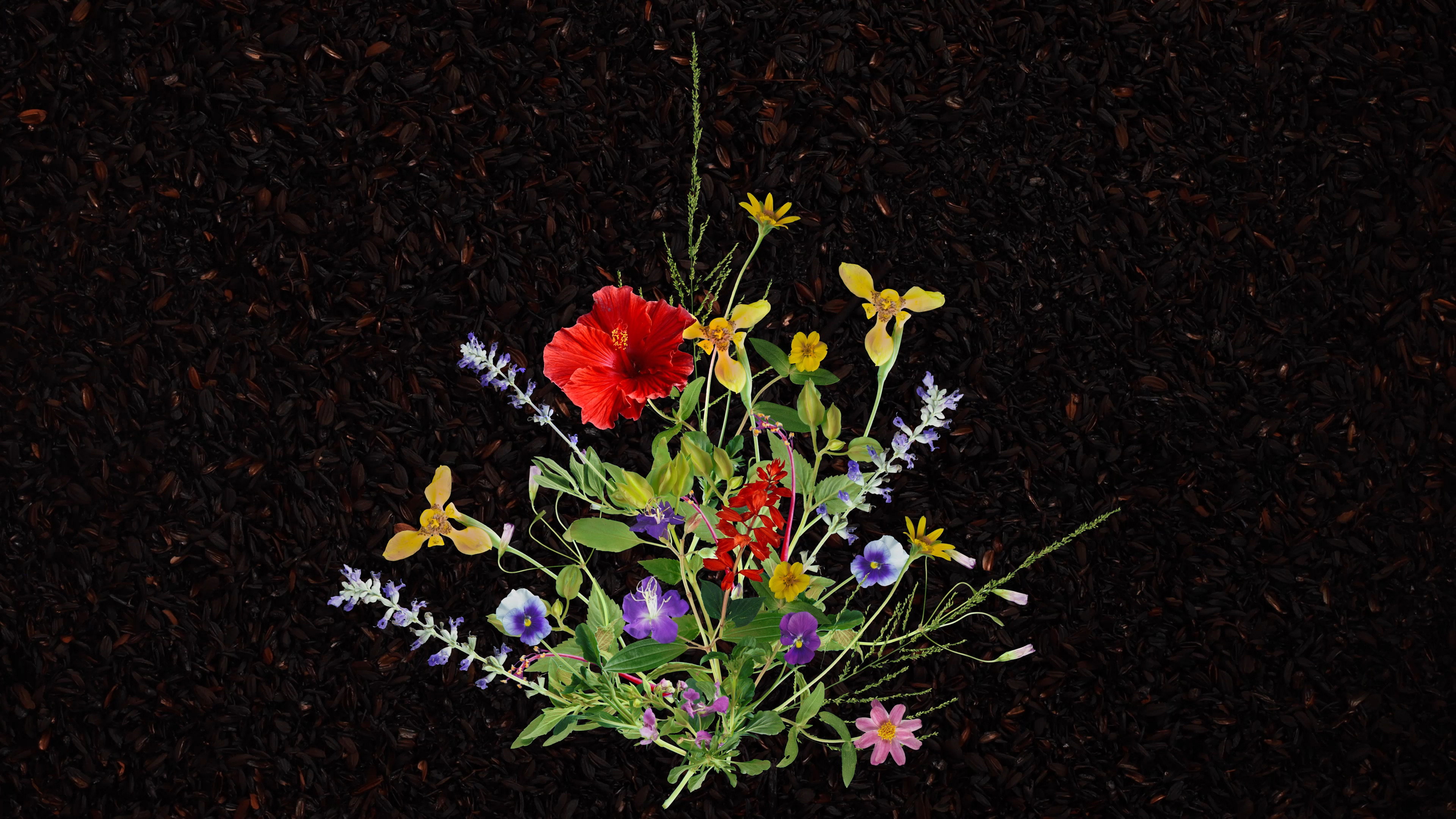
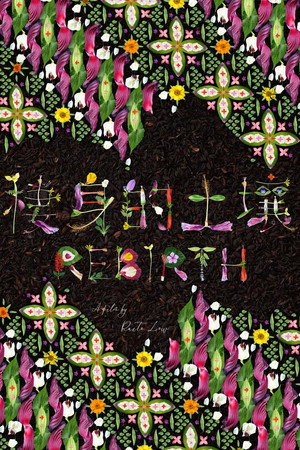
Using Malaysia’s national flower, the big red flower (the red hibiscus), alongside non-native plants in Taiwan as characters, this collage illustrates the experience of Malaysian Chinese living in Taiwan. Trapped between dual identities and the language of others, they search for self-definition and a sense of belonging. Through the perspective of plants, the work reflects personal life experiences, with the hope of breaking down the boundaries between individual, national, and identity definitions.
A film for the post-MeToo era that inverts the narrative with an ironic coda, Tár depicts the duality of a sensitive artist capable of great evil and vile manipulation.
This little Netflix film was very inspirational. It passes the Bechdel test, and features a different worldview with rural Indian representation.
Remember when there was this amazing comedy titled "National Lampoon's Vacation"? To this day, it is a true classic of the genre and certainly put a new spin on precisely what KINDS of insanity could occur when taking the fam on the road. Then, like with so many successful films, there was the sequel (which for me was even MORE of a classic than the original!). However, the third film emerged....and then a fourth. Suddenly, the luster was gone and disappointment set in.
After the 2018 surprising hit "A Quiet Place" brought something fresh to the horror genre, the announcement of a sequel may have been disappointing to some. A lot of the time, a sequel to an already successful movie is no where near as good as the original. Yet, John Krasinski once again shows that he's much more than Jim from The Office.
You'd better buckle up, pack spare underwear, & maybe lay off the drinking for a night, for a gnarly ride in New York!
We sat down with Writer/Director Albert Acosta to discuss his debut short film, (ha-ha), Acosta's foray into narrative cinema, and how his personal experiences have shaped his filmmaking philosophy.